This is the first post on my new blog. I’m just getting this new blog going, so stay tuned for more information on my hobbies and passions. Mainly on travel but also snippets on photography and amateur astronomy from time to time. My three main hobbies are Stars, Cars and Guitars so they may feature as well!
Subscribe below to get notified when I post new updates.
This trip commenced with four nights at Evans Head, NRMA Reflections Caravan Park.Great corner site, close to shops, hotel, bakery, RSL and Bowls Club as well as the river beach and surf beach a short walk away. Spotted a few dolphins as usual but no whales this time.
Our fourth time at this caravan park, it’s become one of our favourites and not too far from home (168km, a little under 2 hours drive via the M1 in both Queensland and NSW)
After a relaxing few days here swimming, walking, doing a bit of photography and a few short drives we headed west via Broadwater, Coraki, then the Bruxner Highway through Casino and Tenterfield and on towards Glen Innes via the Bluff on the New England Highway.
The Bluff area has some very sad aboriginal stories associated with the mountainous rocky outcrop from the colonial past. We stayed overnight at a roadside stop near the Bluff in 2013 on our way back from the Hunter Valley in our first caravan and we stopped briefly here again heading for Glen Innes. We took a few photos of the Bluff from the rest area before heading further south.
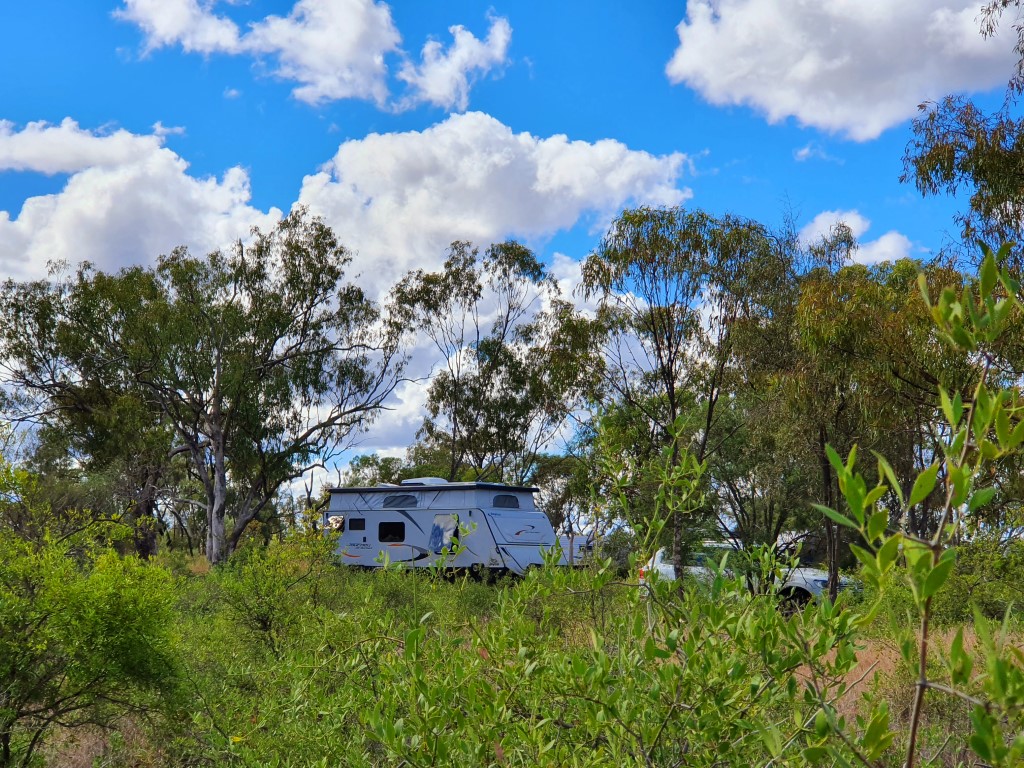
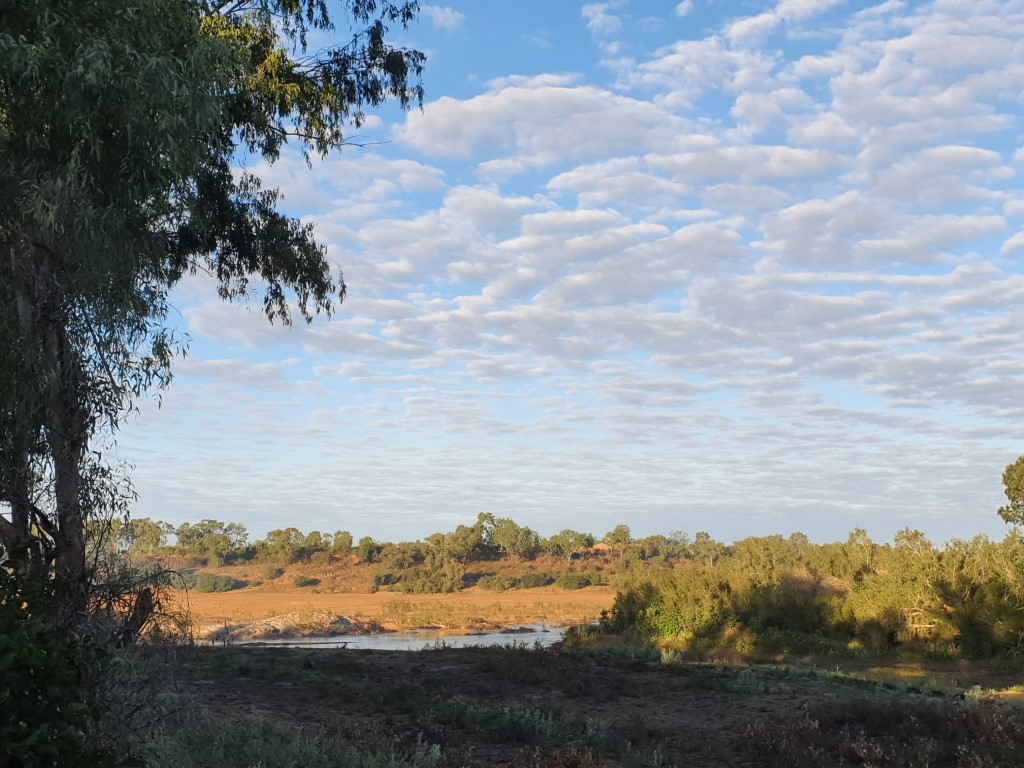
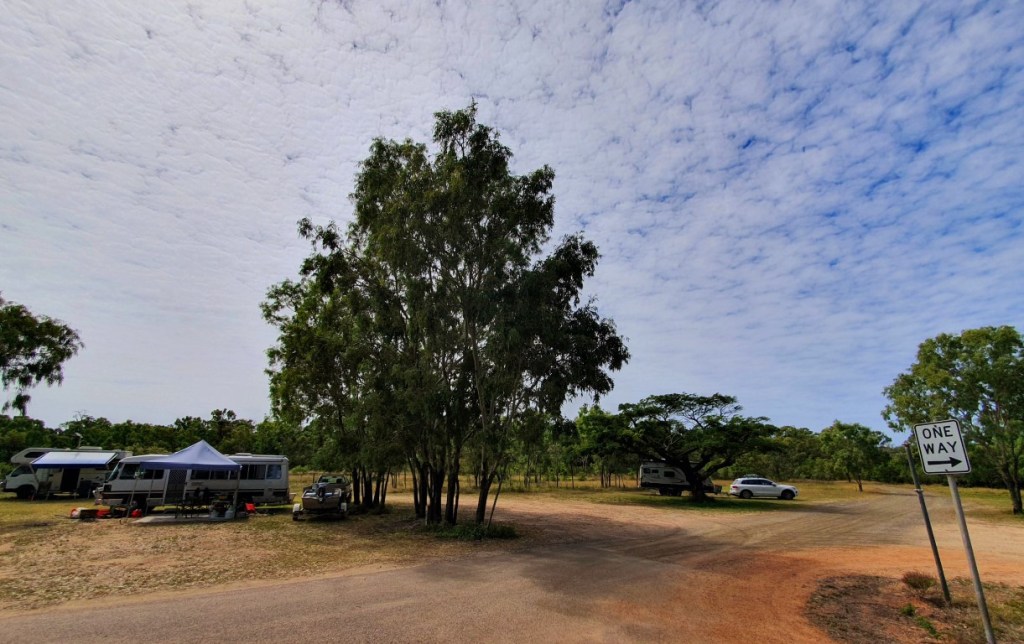
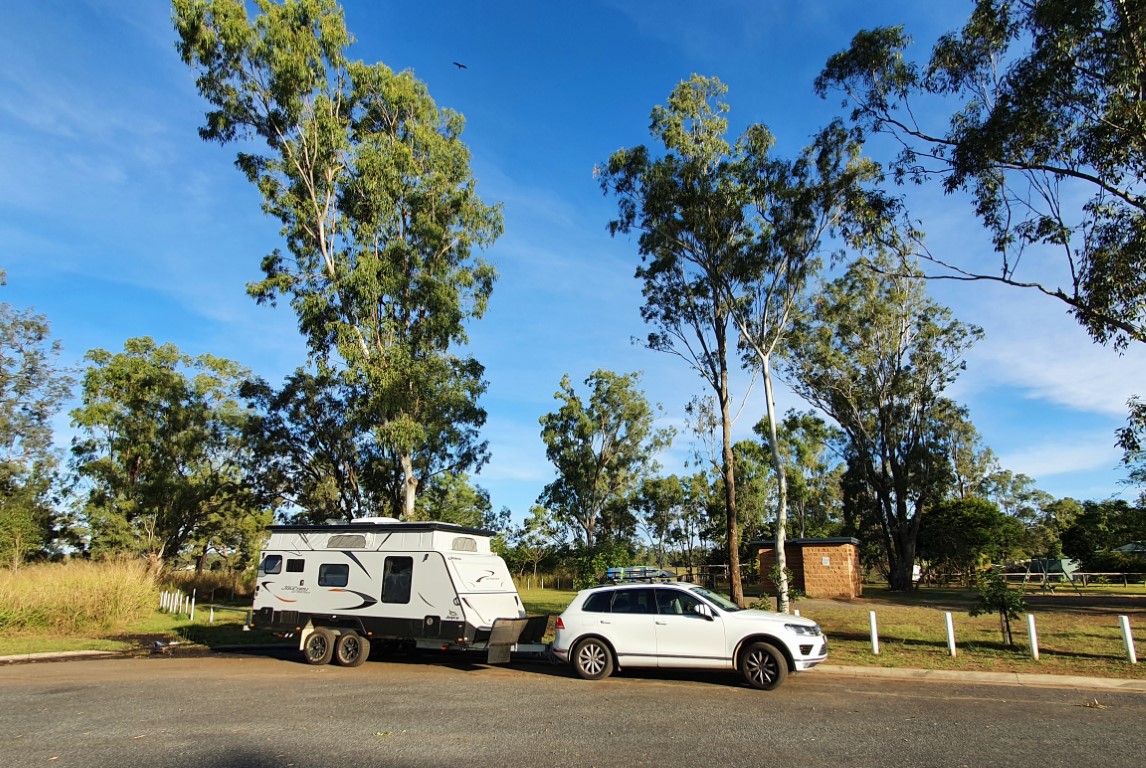
This camping spot is right on Beardy Creek just north of Glen Innes. It’s a free camp with the only facilities being a small toilet block. We stayed hitched overnight. A few shady trees as well as plenty of open areas if the solar panels need a top up. There are actually two locations to camp (less than a kilometre apart), the northern one has no facilities but a better outlook over the creek. Quite a few campers in vans, motorhomes and roof top campers. Far enough off the highway so that the trucks weren’t a noise issue.
Drove into Glen Innes the next morning and filled up with diesel and a swap ‘n go gas bottle. The United service station on the northern end of town is always the cheapest for fuel but doesn’t do gas bottle swaps – had to go to another station in town for that.
URALLA Highlight reel on YouTube: https://www.youtube.com/shorts/WVXbhjH3S8k Uralla is home to statues and the grave of the bushranger Captain Thunderbolt (Fred Ward) Uralla Shire is also big on the arts, culture and heritage (both Aboriginal and European). Uralla is the country of the Aniwan people. Uralla means ceremonial meeting place. The Aboriginal history of this area dates back at least 50,000 years. Aborigines are proud participants of a vibrant indigenous culture of artists, professionals, youth and elders who welcome those interested to discover their past and enjoy the feeling of Country. Aboriginal rock art can be seen at Mt Yarrowyck and to find out the history and culture of the Aniwan. Keen eyes may spot shield scars in trees, stone tools scattered beneath your feet, ochre quarries and flat grinding stones used for making seed derived flour.
WALLABADAH Highlight reel on YouTube: https://www.youtube.com/shorts/5mV1O02zcyA Wallabadah is a little village with tree-lined streets on the upper reaches of Quirindi Creek, beneath the mountains of the Peel Range and on the eastern rim of the Liverpool Plains. Situated on the New England Highway, it is 60 km south of Tamworth and 359 km north of Sydney. Fine wool, stud cattle, turkeys, pecan nuts and prime lambs sustain the local economy.
The original Aboriginal inhabitants of the district were the Kamilaroi peoples who called the area ‘Thalababuri’ (its meaning is uncertain). The Kamilaroi tribe was subdivided into clans and classes which determined marital possibilities (girls being often betrothed in infancy and married by about 14). They wore opossum clothing and, for ceremonial or ornamental purposes, smeared themselves with red ochre and pipe clay, scarred their bodies and wore decorative headwear. The males hunted while the women gathered fruit. Weaponry consisted of elaborately carved clubs, spears and boomerangs and stone or flint tomahawks and knives. Fishing was carried out with the aid of weirs, spears and nets made of grass or bark.
The first European settlers began squatting in the district around 1830 and the Wallabadah Station (44 000 acres) was taken up about 1835. The current homestead (built in 1900) is 5 km east of the township.
A village emerged which was of some importance in the 1850s, being located at the road junction of the mail coaches which came from the north and north-west. This prospect proved too tempting for Thunderbolt, then the most notorious bushranger in the colony, who robbed the northern mail coach at Wallabadah in 1867.
The town was also of some importance as a service centre for the surrounding area. However, it was surpassed by Quirindi when the railway arrived at the latter in 1877. Wallabadah became a soldier settlement location after World War II. On the highway is the Marshall MacMahon Hotel which dates from about 1867. The original stone section has been incorporated into the present building.
First Fleet Memorial Gardens We’ve been here before to explore the beginnings of our Australian nation by the banks of Quirindi Creek. This time we stayed next to the gardens at the ‘free’ camp – donation placed in the box at the gate. Again we stayed hitched as it was only an overnighter. There’s a clean amenities block and childrens’ playground with free barbeques and plenty of nice areas to park the caravan.
The award winning First Fleet Memorial Garden is a tribute to the European settlers who began what is now modern Australia. The Garden features extracts from the logs of actual participants describing the early history of the colony and the treacherous voyage to Australia. Hand carved tablets, by master stonemason Ray Collins, list the names of passengers, the crew, convicts, and civilians who travelled on the eleven ships of the first fleet. You can read the tales from those who were on the voyage and explore the list of livestock and provisions that were brought. A nice stand of Australian native She Oaks line the banks of the Quirindi Creek. The Gardens are open Monday to Sunday from sunrise to sunset.
Located on the New England Highway between Scone and Muswellbrook. Aberdeen was the first main township on the Hunter River. With more than 180 years of history, the small town is steeped in Scottish heritage. One of the first settlements in the picturesque Upper Hunter, the town was named after the Earl of Aberdeen. There is a small free camp in town where we were going to park up for the night, however we decided to drive further south and stay at Bylong.
The annual ‘Aberdeen Highland Games’ take place on the first weekend in July each year. The games are a gathering of pipe bands, clans, dancers, heavy event participants, as well as state and interstate tug-of-war teams to help celebrate the Scottish / Celtic history of the Upper Hunter.
Lake Glenbawn is just a few kilometres east of Aberdeen with an abundance of fish, including, bass, golden perch, Murray cod, and trout. The lake is also very popular for camping, boating, skiing, and other water sports.
7. BYLONG
We stayed at the Sports Ground for a donation fee and stayed hitched overnight. It’s right next to the old National Trust listed St Stephens church which made for some great photos on sunset. Picnic tables under shady trees, clean amenities block with hot showers but virtually no services in the village. The local service station and store never reopened after Covid. Very laid back, quiet village where the cows run up the main street (not intentionally, they escaped from their paddock and were being rounded up in the late afternoon with some help, or hindrance from some campers). We travelled via the Bylong Valley Way, a regional road linking the Golden Highway near Sandy Hollow to Castlereagh Highway near Ilford. It is named after the Bylong Valley, through which the road passes. Pretty mountainous windy roads which made for an adventurous drive with the caravan, all the while Colleen hanging onto the ‘Jesus’ bar! We made it to Sofala in one piece after countless hairpin mountain bends and a wrecked caravan on the shoulder of a very tight mountain bend, just for good measure!
Some fantastic scenery (for passengers) along the Bylong Valley Way and a magic road for motorbikes, of which there were quite a few.
8. RYLSTONE Highlight reel on YouTube: https://www.youtube.com/shorts/ZSIKKCDlnI4 We liked this rustic little village with lots of stone houses set on the beautiful Cudgegon River, historic Rylstone is full of charm and beauty. Tucked into a picturesque corner of the Mudgee region of NSW, on the edge of World Heritage-listed national parks, with pretty sandstone cottages, food and wine outlets, a great little community with beautiful old buildings and a couple of great cafes and bakeries.
SOFALA Highlight reel on YouTube: https://www.youtube.com/shorts/Iqm5nv-CZls We drove down the steep windy entry into the town of Sofala after an exhilarating drive and thought we’d driven into an old movie set! One of the most interesting and unusual gold mining towns in New South Wales, Sofala is a 40-minute drive north of Bathurst, but we came down the range from the north. It is a four-street village packed with history that appears to capture the town snap frozen as if in 1870. Sofala is depicted perfectly by the famous Australian artist, Russell Drysdale, in his iconic 1947 award-winning painting of the same name.
The gold rush may be long over, however gold panning still takes place in the adjacent Turon River today. While staying at Hill End we talked to a couple whose friends ‘specked’ several large pieces of gold from the Turon River near Sofala in the week we were there. (We saw their photos as proof of the find). We walked around the historical town and were amazed at some of the sites. It was like walking back in time. Some buildings are close to being deemed too dangerous to live in they were that delapidated. You can actually snap a pic of the famous scene depicted in Russell Drysdale’s artwork!
After our town walk, a few “OMG’s” and many photos later we headed to one of our main destinations on this trip – the historic village of Hill End.
The village is a beautifully preserved gold mining area and provides an amazing snapshot of a miners life in the 1870’s. It provides an enduring legacy of colonial life in New South Wales. We walked around town taking photos and exploring the streetscapes, buildings, history and the harsh life in the late 1800’s. Clarke and Tambaroora Streets formed the commercial centre of Hill end in the 1870’s. There are around 80 photographs placed on historic sites, the originals all taken by Henry Beaufoy Merlin and Charles Bayliss on glass plates. This photography was arranged and funded by Bernhardt Holtermann after his discovery of the extremely valuable Holtermann nugget. Holtermann was a successful gold miner, businessman, politician and photographer. Louis Beyers, another gold mining pioneer and friend of Beaufoy Merlin and Bayliss arranged the planting of the avenue of trees leading into the town. It is a magnificent sight of 150 year old overarching trees, as you drive into the old town. Louis Beyers cottage is still standing on the corner of Warry Road adjacent to the campground where we stayed.
We wanted to discover life during the gold rush at the Hill End Historic Site and explore heritage buildings and mining relics. We stayed at the National Parks and Wildlife Hill End campground. There is another larger campground (Glendora) about one kilometre from town however this one was more user friendly, handy walk to town even if it had smaller caravan sites. Great new amenities block, hot showers, water on tap and powered sites.
Many old buildings including the hospital and Craigmoor House give a glimpse into the past. You can even try your luck at gold panning at the fossicking ground and check out life underground at Bald Hill tourist mine. Ore stamping batteries operated 24 hours a day right across the road from hotels and houses. There is one hotel still standing and fully operational (The Royal) from the forty plus that operated here at it’s peak, with a population of around 7,000.
We spent three days here uncovering layers of history and it was truly fascinating to see the history through the old buildings and particularly the free Heritage Centre with all the glass plate photos taken by Henry Beaufoy Merlin and Charles Bayliss. Beaufoy Merlin was the founder of the American and Australasian Photographic Company. Located right in the centre of the living village Hill End Historic Site, next to the General Store, the new Heritage Centre was a great starting point for our Hill End experience. The centre is situated in the beautifully restored 1950s Rural Fire Service shed, and the displays are an amazing insight into life in the 1870’s goldfields. This self-guided centre brings the incredible characters, stories, and more than 150 years of Hill End history to life through screen projections, historic artefacts and interactive iPads. We had a look into the remains of a miner’s cottage from the 1870’s gold rush glory days. There’s even an old red Blitz fire truck, and an historic mining trolley.
Original mining pioneer and photographer, Bernhardt Holtermann contracted Henry Beaufoy Merlin and Charles Bayliss to take thousands of photographs on glass plates to record all the activities and life on the goldfields in the 1870’s. These glass plates were found in a shed in Chatswood, Sydney in 1951 and are now listed on the National Heritage Register. Hundreds of photos taken by Beaufoy Merlin and Bayliss from 1872 came up on the display screens – what a hard life those pioneers endured. The photographs provide an amazing look into life on the goldfields in the 19th century.
We drove over to the Hill End/Tambaroora Common and looked towards the old diggings across the gorge to Hawkins Hill where Holterman found the worlds’ biggest ever gold nugget – a 630 pound (290kg), gold content 93 kg. monster worth at the time a staggering 12,000 pounds – over $5 million dollars in todays’ value. Quarrying operations continue there today via the very steep access road.
We went for a short drive to the old Tambaroora diggings to check out some history as well as walking through the cemetery. There were some very sorrowful stories associated with a lot of accidental deaths from the gold mines. Some of the headstones are very sad. One in three children never reached school age, dying from dysentery, typhoid, whooping cough and drownings. Tambaroora commenced gold mining around 1855, pre dating Hill end operations by 15 years so it is one of the oldest mine sites in NSW.
We also drove out to see the Cornish Quartz Roasting Pits and stamper battery which were all in good condition after more than 150 years since construction during the reef mining operations. The roasting pits were built to heat up the gold bearing quartz and prepare the ore for crushing and to release the gold. The operation wasn’t hugely successful but very ingenious in design. The craftsmanship was amazing, with all the bricks and structures being handmade back in the day.
We also walked around the old Bald Hill underground mine. Tours can be arranged underground in this mine and another one just out of town through the Visitor Centre and General store.
The Bridle Track is a famous route taken on horseback from Bathurst to Wellington back in the day. Even now the track is a wild adventure in a four wheel drive.
Hill End was definitely a favourite of ours and should be on everyones’ bucket list to find out more about our Australian pioneering heritage.
Bathurst was a close second for the main reason we went on this trip. I hadn’t been here since 2000 on the way to our second Summernats trip to Canberra with our sons. It has certainly changed, very cosmopolitan and busy.The city has so much history. First port of call was to Mt Panorama and a couple of laps of the most famous racetrack in Australia. Colleen was keen as well and we went back a second time the next day for more laps! The motor racing museum was well worth the entrance price. Some amazing race car history there with fine examples of the real thing from the 1960’s onwards, including some rare racing motorcycles. Highlight reel on YouTube: https://www.youtube.com/shorts/Ivq0GBpuXo0
Just some of the places we visited while in Bathurst: Prime Minister Ben Chifleys House. Born in Bathurst in 1885, worked at the Railway yards, progressing from shop boy to fireman to first class locomotive driver (the states youngest at 29) then onto union work and politics and eventually became Prime Minister of Australia. Railway museum – greatworking display and one of the largest model railways in the Southern Hemisphere. Mineral and Fossil Museum – fantastic if you’re into rocks and fossils! One of the biggest and best collections in the Southern Hemisphere. There’s a full size replica skeleton of a Tyrannosaurus Rex which is fascinating too.
Miss Traills House – Built by the Reverend Thomas Sharpe in 1845 soon after land became available in the Bathurst area, Miss Traill’s House and Garden is named after Ida Traill, a socially prominent, independently wealthy resident, who lived in this pretty Colonial Georgian bungalow from 1931 until her death at 87 in 1976.
Ida Traill was a descendant of early settlers in the region. Her great grandfathers, pioneering freeholders, were amongst 10 men selected by Governor Macquarie to explore and settle the area, which became Bathurst, one of Australia’s first inland cities.
The home Ida bequeathed to the National Trust (1976) – to ensure it would not be demolished to make way for ‘progress’ – is today an elegant house museum containing Ida Traill’s significant collection of artefacts relating to four generations of the Lee and Kite families. Together with her tasteful furniture, intriguing horseracing memorabilia, paintings and ceramics, they are linked to the house and the early history of Bathurst.
Machattie Park – In the heart of Bathurst is Machattie Park – absolutely stunning. Since replacing the Bathurst Gaol in 1889, Machattie Park embodies the seasonal changes you will find throughout the Bathurst region. Ideal shady spot to picnic in summer, chasing the golden leaves in autumn, enjoying the light displays of the Bathurst Winter Festival, or gazing at the blooming flowerbeds and cherry blossoms in spring, there’s always something fascinating to experience. The park is also of architectural interest as it displays principal elements of 19th century Victorian design in the layout, bandstand, Caretakers Cottage, Cargo Fountain, Fernery and Lake Spencer.
Bathurst District Historical Society Museum – This was a great find – The museum is overflowing with historical artefacts, you can see the tree trunk carved by Surveyor Evans to mark his reaching the Lachlan River and investigate the world of Aboriginal artefacts, convict and colonial era, gold mining history, a famous Prime Minister, items from the Sudan and later wars, local businesses and professions and the life of early pioneers. The museum is also home to Bathurst Archives, which has extensive family history records.
Bathurst Gaol – Originally built in 1888 it remains a fully functional prison with sandstone walls and buildings with colonial features – a very beautiful set of structures – from the outside!
Site where Governor Lachlan Macquarie placed the flag to proclaim that the town of Bathurst would be here on the banks of the Macquarie River (Lachlan was known for naming places after himself!) The actual timber marker is still in it’s original spot bordered by timber deckers from the original river crossing.
Peace Garden – Along the edge of the Macquarie River Bicentennial Park, the Bathurst Peace Garden, is a monument to peace. In 1956 the Indian Government donated 19 Teak seats for the original gardens. Inscribed with the words “Presented By The People Of India 1956” you can still find several of these seats in the Peace Garden. In 1988 the Peace Garden was re-dedicated by the Deputy High Commissioner of India C.M. Bhandari, where he presented a bust of India’s first Prime Minister Jawaharlal Nehru. The brick walls of the Peace Garden are decorated with designs of local children. Today visitors can enjoy the peace park and learn about the friendship between Bathurst and the country of India.
What a gem!! We visited this 52 room mansion of significant heritage value, about eight kilometres west of Bathurst at Stewarts Mount. Set in stunning grounds, it truly is an amazing colonial residence. It is one of New South Wales heritage treasures. We met the owner Chris, from the Morgan family and toured the house and grounds with all it’s artefacts. The bluestone dairy and coach house and stables were just as good as the house. The historic pieces inside the house would be worth millions. They even had genuine/certified crucifixion nails on display. One of the former owners was a well known archaeologist and lots of his work was featured in display cabinets. Queen Elizabeth II visited the house on two occasions and the family has photographs in both England and at the house with Royal family members.
BLAYNEY – We drove down to this classic gold-rush town with beautifully preserved historic buildings, Blayney comes with charm to spare. The countryside that surrounds it is all rolling hills, vineyards and orchards, so you know you’re going to eat and drink well. This was also a great stepping stone to explore the historic township of Carcoar.
Carcoar is a beautiful village south of Bathurst and is the third-oldest town west of the Blue Mountains, and home to many beautifully restored heritage buildings from between 1850 and 1890. We walked around town taking photos and talked to visitors and locals. The Stoke Stable Museum, the town’s oldest existing structure wasn’t open unfortunately. Constructed by convicts in 1849. Carcoar is home to the para Olympic champion, Kurt Fearnley.
Visiting Millthorpe was a bit of an afterthought due to being asked by someone at Carcoar had we been to Millthorpe – it was well worth a visit they said. They were not wrong, what a beautiful town. Some very historic buildings. We made a slight detour on our way to Dubbo via Orange to check out Millthorpe and we’re glad we did.
It was a long time between drinks for this town and us. Dubbo has changed since the mid 1990’s when we had two teenage boys in tow. We still remember them saying: ‘Who goes to Dubbo for their holidays?”!! Back then it was mainly for the zoo and on the way to check out a private observatory in Gilgandra and a visit to Siding Springs and the Anglo Australian Telescope.
We stayed at Blizzardfield near the airport in a private camp area for $30 a night with power and water. Nice place and the owners were great. The airport was reasonably busy with nine interstate flights daily, but not so noisy that it was a nuisance. The town itself has grown so much. There was a medium high rise being constructed while we were there – a first for the city. They even have Myer, Kmart and Spotlight in the main street as well as large suburban shopping malls and national commercial companies in the industrial estates. We checked out the Botanical Gardens including the Japanese Gardens – nowhere near as good as the one in Toowoomba with a totally different climate of course.
Taronga Western Plains Zoo was a highlight – so different to the mid ‘90’s. We drove around the exhibits and got some great wildlife shots. The cheetah, hippos and elephants we our favourites. We also revisited Dundullimal Homestead, an original residence from the 19th century, also in the same road as the zoo.
After our two night stopover in Dubbo we headed further north to the Coonabarabran area via the Newell Highway. Some minor roadworks on the way plus a couple of wide load agricultural machines with escorts.
We stayed at the Warrumbungle National Parks and Wildlife Camp Blackman in a great site, handy to the brand new sandstone amenities block with hot showers, automatic taps and movement sensitive hand washing liquid dispensers would you believe. The park has numerous sites – 78 all up.
One major walk while we were there had impressive scenery towards the ‘Breadknife’ sandstone formations and the camp itself looked straight towards Split Rock. Great area for photography and wildlife spotting. A large goanna right near our caravan was menacing a nest box with young Mynahs in it. The goanna couldn’t quite get to the nest box and the two young birds as dozens of Apostle birds and Noisy minors attacked it, making it drop to the ground from 3 metres up the gum tree.
We had to call in to the Anglo Australian Telescope, a short drive from our campsite as we hadn’t been here since 1999. Virtually no one there so we did a tour by ourselves – awesome!
After two days here it was time to head north again, initially to Goondiwindi, however when we arrived, the showgrounds were closed to campers so we kept going to Inglewood, had lunch at the pub (bloody terrible meal actually) and checked out a free camp near the bridge in town. This proved unsatisfactory also as the one ‘permanent’ resident in a camper van there didn’t look too friendly (or sober), so on again to Warwick and eventually Aratula! Big towing drive that day – over six hours drive time on some pretty crappy parts of the Cunningham Highway.
ARATULA PUB
Arrived here around 4pm, a late pull in for us. We had never stayed behind the pub before. For the cost of a drink at the bar or a meal you can stay in the large area behind/beside the pub. It was a bit noisy with trucks, being close to the Cunningham Highway but good enough for an overnighter – we stayed hitched. It also has a dump point for ‘paying’ guests in caravans.
The next morning in less than two hours, we were back home – about two days earlier than planned but good to be back to home base after three weeks away. Great trip with lots of memories.
To the Outback and Far North Queensland and return via the coast
Day 1, July 14 Chinchilla
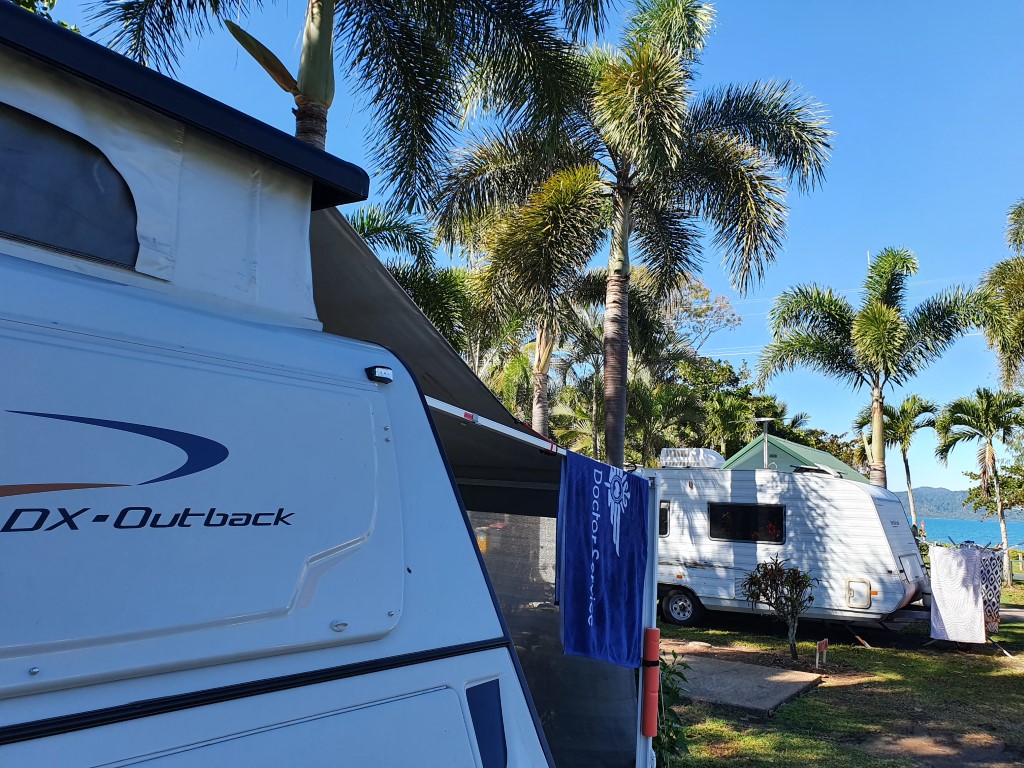
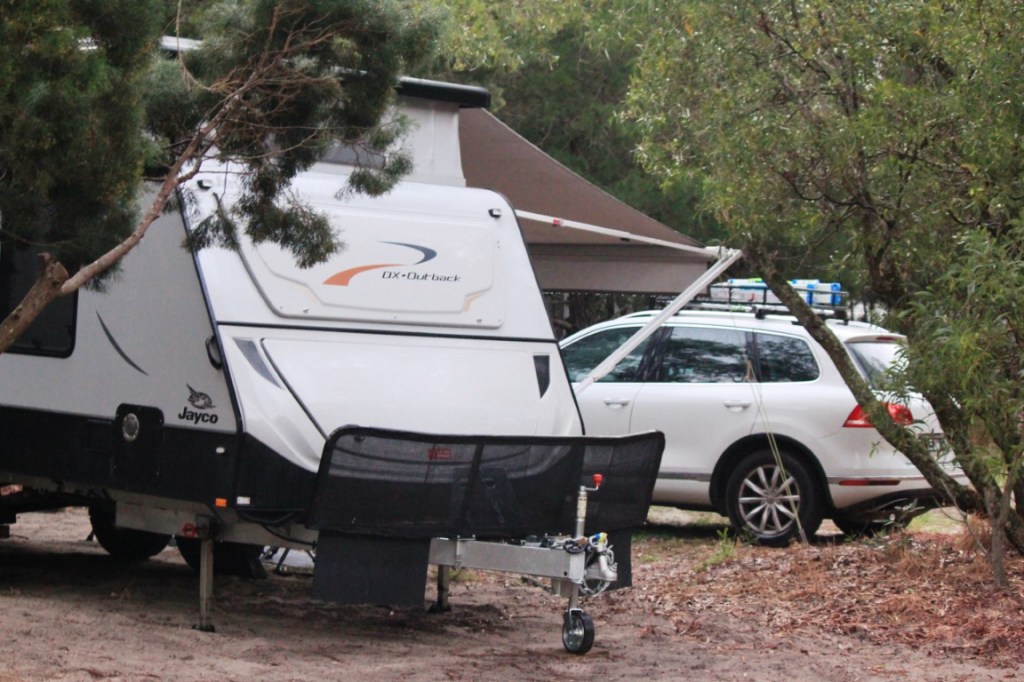
We left the Gold Coast hinterland at 8:30am towing our 2019 Jayco Journey Outback caravan for a 6000 kilometre trek around Queensland. We met up with Gary and Pam Moloney, (brother-in-law and Colleens’ sister) with their 2013 Jayco Discovery Outback at the Jondaryan Pub roadside rest area on the Warrego Highway. It was a bitterly cold mid July morning with a maximum of 150 C predicted for Toowoomba city and indeed it was 90 C as we crested the new Toowoomba bypass second crossing of the range at Mt Kynoch at 10:30am.
From Jondaryan the vans headed to Chinchilla Weir free camp to meet up with another couple, Garys’ sister, Jill and her husband Ian Gillam from Toowoomba towing their brand new 2020 Avida Topaz van on it’s maiden journey.
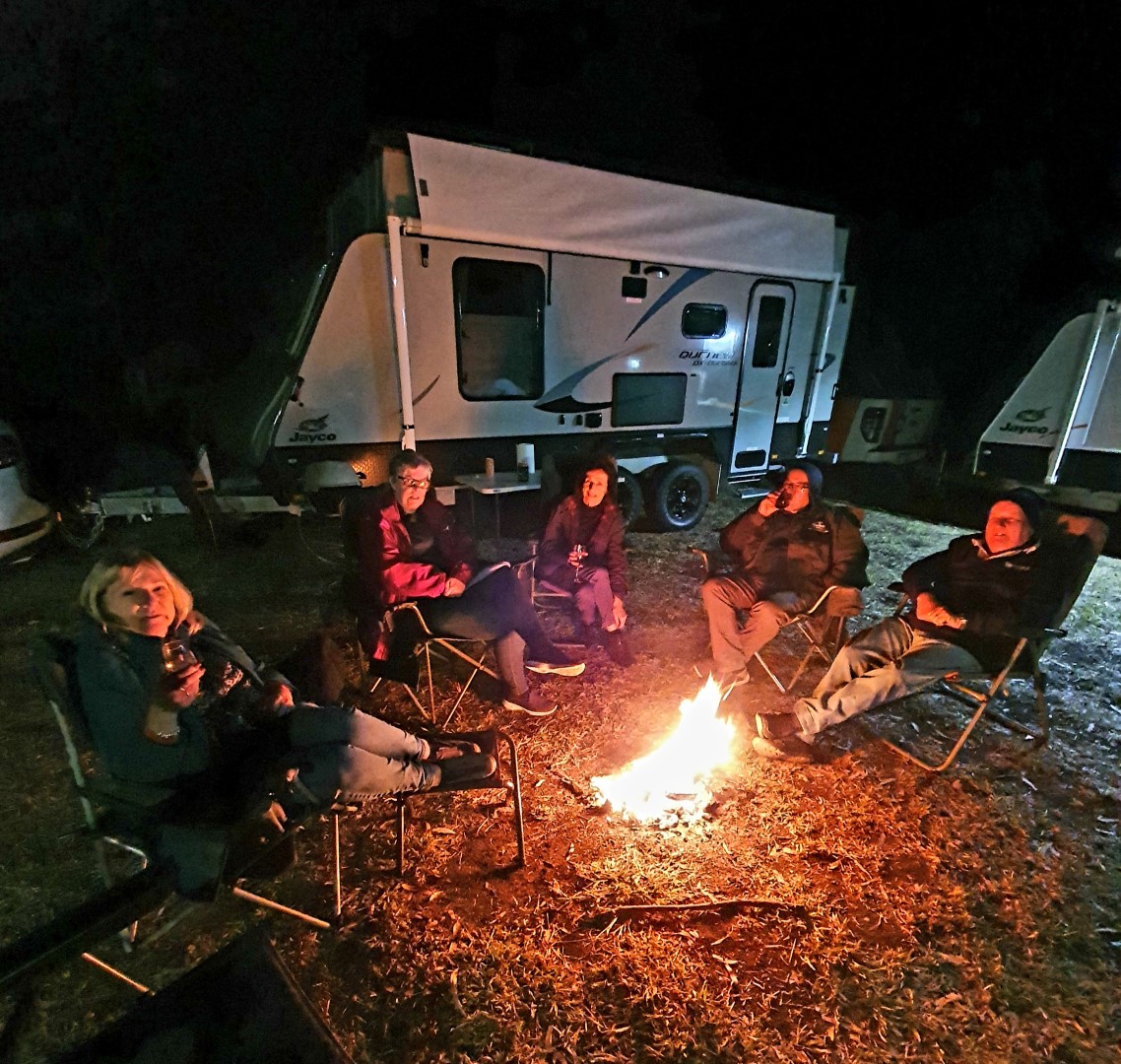
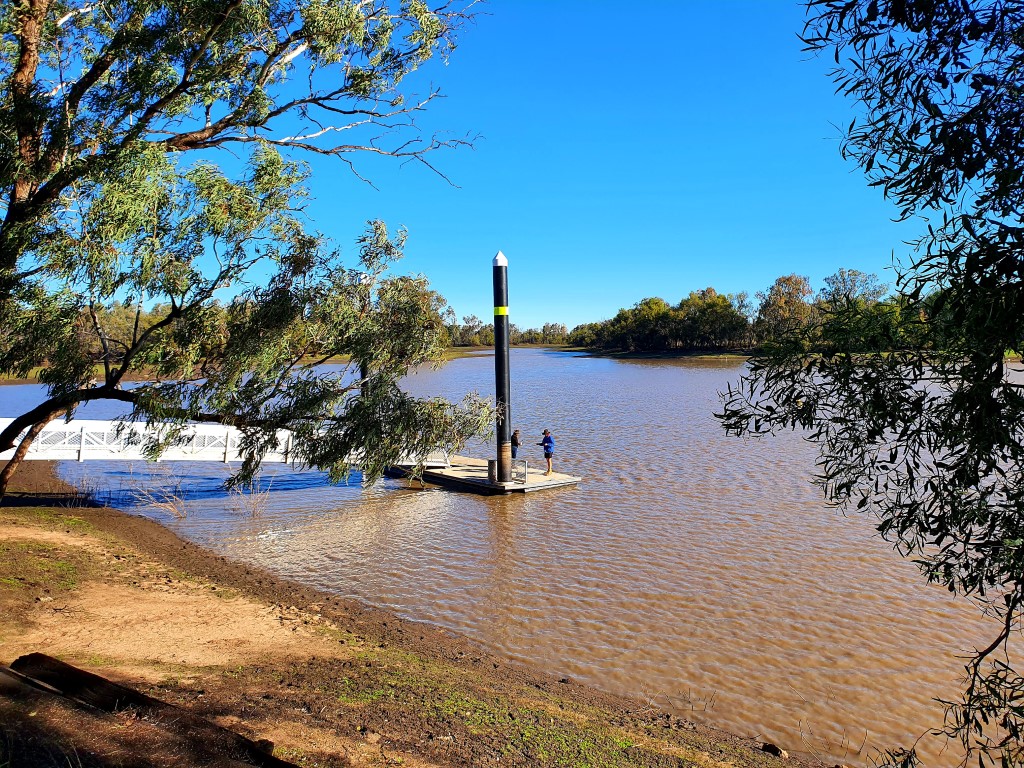
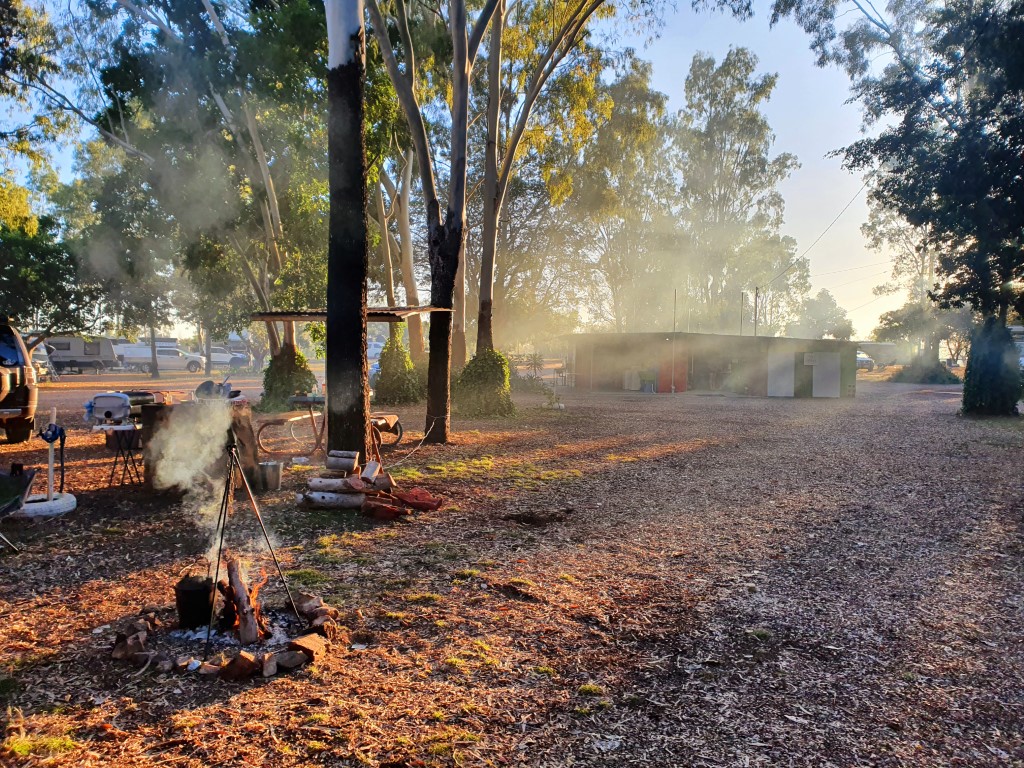
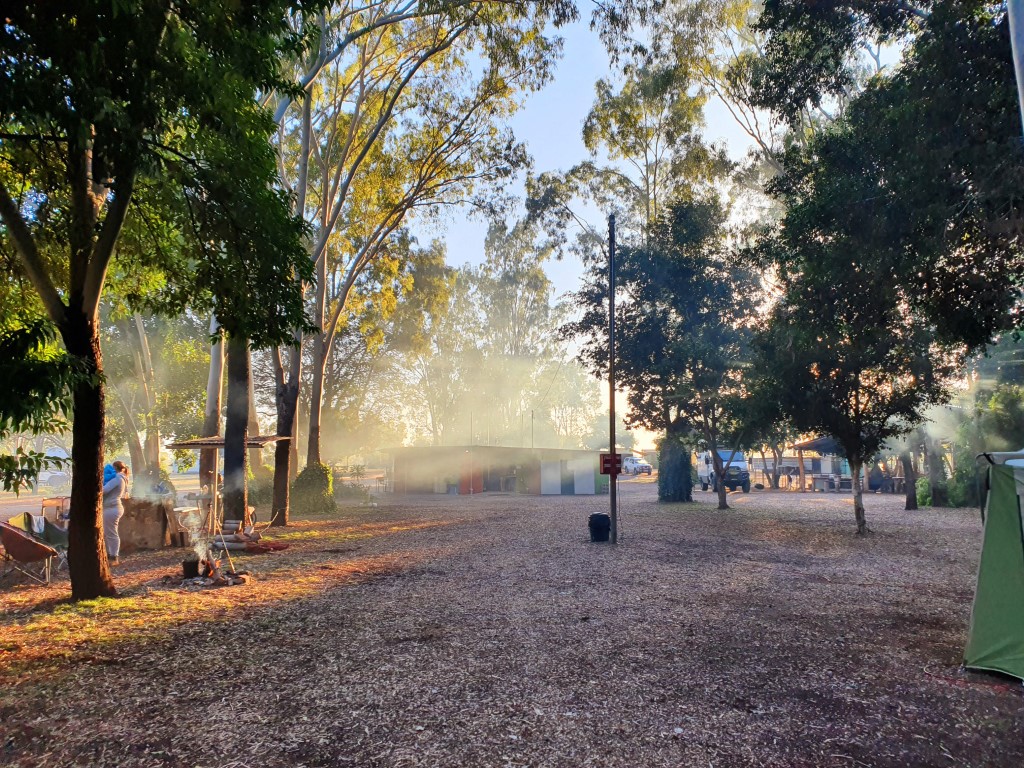
The Moloneys and Walkers arrived at Chinchilla around 2:00pm and fuelled up both tow vehicles and drove to the weir camping spot south of town on the Tara road, arriving about 2:30pm. Here we found Ian and Jill already set up in a good spot. None of the three vans required power as they’re set up to operate ‘off-grid’, so we positioned our rigs around a central fireplace in a U shape! Later we all went for a short walk to the area where limited powered sites were located. Nice clean free camp area close to the water where some locals were trying their luck fishing from a small jetty and other campers were already setting up BBQ’s, spit roasters and various other methods of cooking their night time meals. We took a few photos around the area and walked back to camp where we decided what to eat for dinner and the method we’d use to make our first meal on our month long trip.
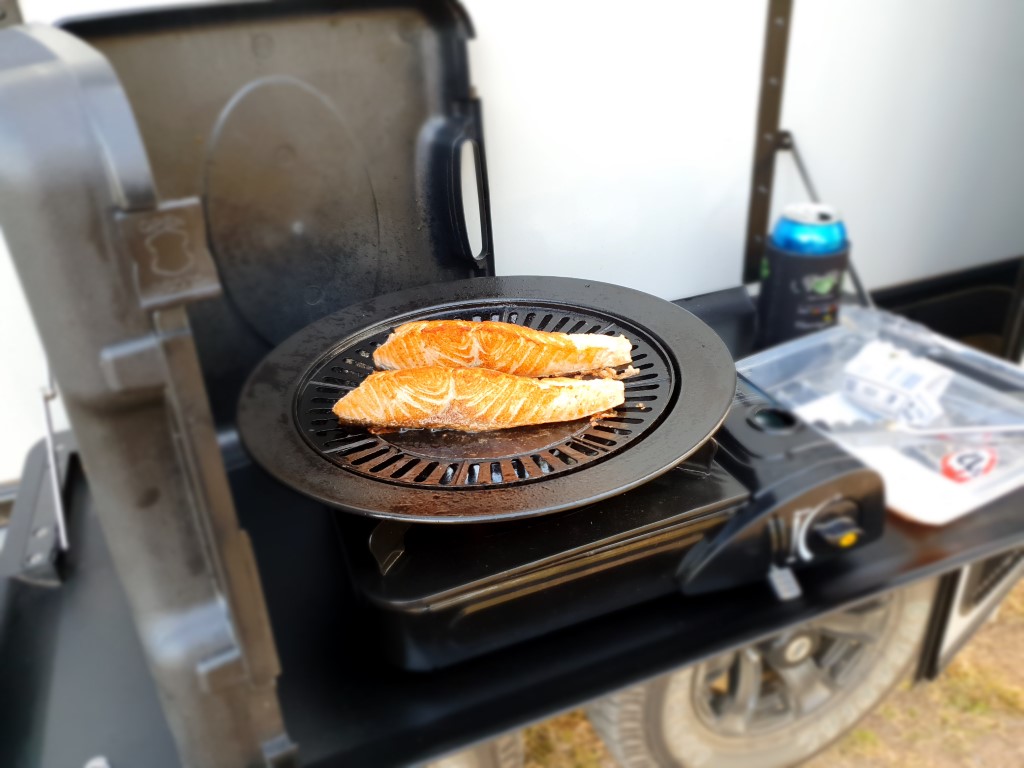
Gary and I fabricated two slide-in aluminium BBQ holders, one for each van for our Weber Baby Q’s prior to leaving home. The slide arrangement was made to fit inside the galvanised RHS of the caravan chassis and lock in via a push fit and friction set up which worked a treat. Easy access to the gas bayonet mount fitted to the underside of both vans made for a great cooking set up. The decision was made as to dinner on the first night – barbecues for the two Jayco vans and a pre-prepared meal for the Avida Topaz vanners! A camp fire was started from scraps of wood brought from home and the odd bit of dead timber lying around plus some fire logs from Bunnings made from recycled materials. Easy to get the fire going with fire-lighters with the added bonus that camp fires are handy to get rid of rubbish paper, cardboard and scraps – just make sure the fire-pit is properly extinguished before leaving the campsite in the morning.
Day 2, July 15 Mitchell
Colleen and I went for an early morning walk to the toilets on the eastern end of the campground while frost (not quite ice) lay on the grass. Breakfast was prepared and eaten by 8am and all three vans were ready to hit the road towards Mitchell by 8:30am.
Arrived at Major Mitchell Caravan park on the Maranoa River in the early afternoon after a lunch time stop at the Big Rig in Roma. The avo smash with balsamic on toasted sourdough at the Big Rig café was awesome!
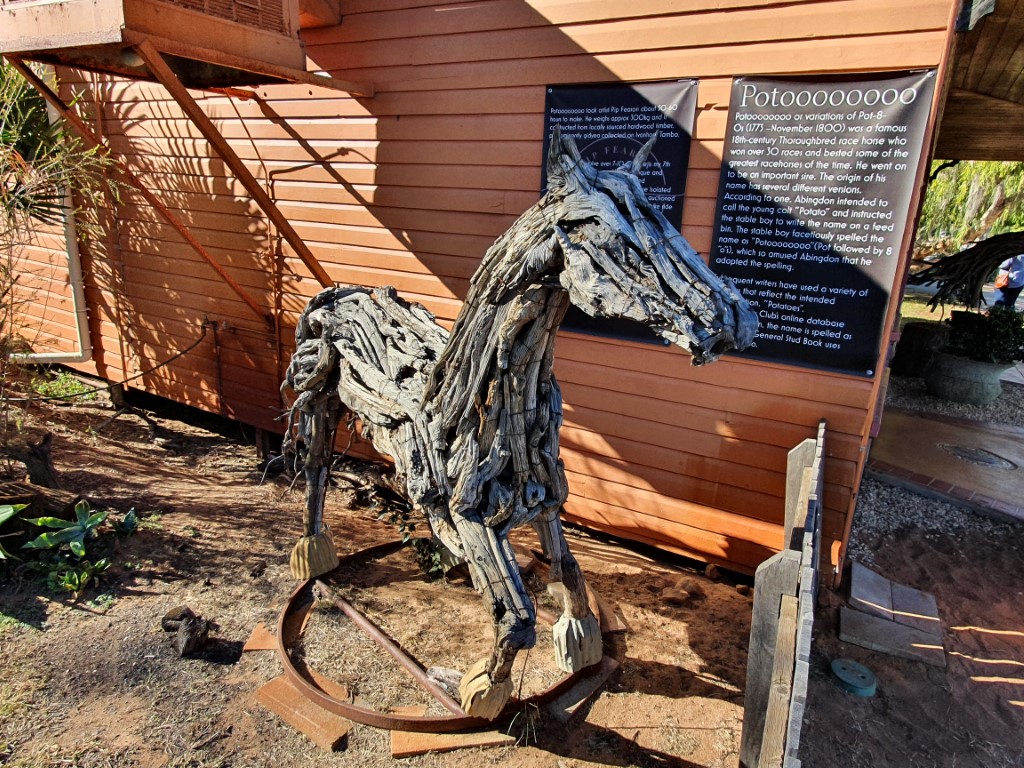
Drove around town and checked out the old Mitchell Courthouse where Australias’ last bushrangers, the Kenniff Brothers were tried for murder in 1903. Later we went out to the free camp on the Maranoa River at the Neil Turner Weir – lots of vans there! Another free camp just up the river at Fishermens Rest was also well used by the gray nomads. Later in the afternoon while the other intrepid travellers prepared the evening meal, I drove out about 7km on the St George road to see the monument to the outback policemen and the bushrangers at Arrest Creek where the brothers were arrested in 1902.
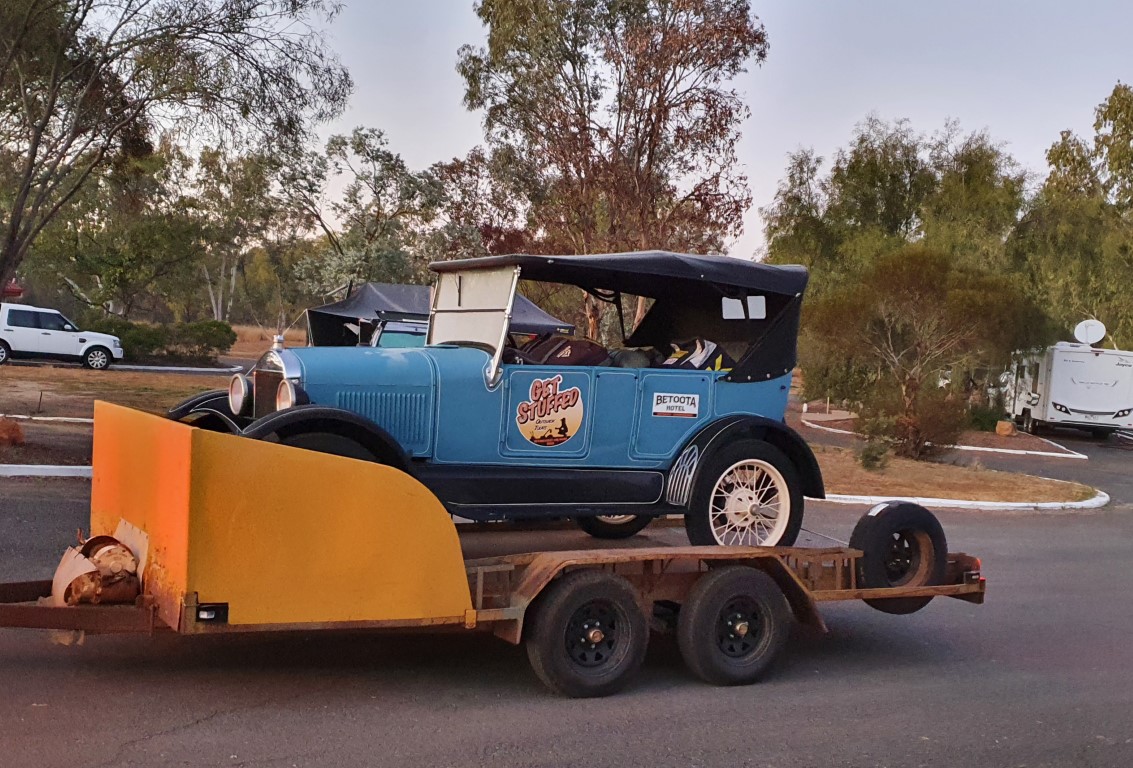
Very early the next morning a group of people were about to leave the park to drive to the Beetoota pub with all their supplies, fridges, equipment and food etc to open it up again after a 3 month closure due to the COVID-19 shutdown. The family from Logan who owned the pub had a fully loaded Ford F150, an old 1952 International truck and on a trailer was a restored blue Model T Ford tourer, sign written with the Beetoota Pub logo. A long drive over two days from Logan to get out to Beetoota in the Corner Country. Hope to get out to see that pub on a future trip.
Day 3, July 16 Tambo
Hit the road to Augathella and Tambo early with very few trucks or cars on the highway. Minimal roadkill compared to earlier trips out west and surprisingly very few grasshoppers, moths and other insects to splatter the windscreens and vans. Arrived in Tambo and checked out the town, including the old fire engine on display and Tambo Teddies. I cunningly went back into the teddy bear shop when the rest of the crew walked around town and bought a little lambs wool cuddly teddy for our future grandson. Just before we left home we found out our youngest son Dane and his wife Ellie were expecting a baby (their first) in February 2021 but we were sworn to secrecy. It wasn’t until day 22 of this trip that we found out the sex of the baby.
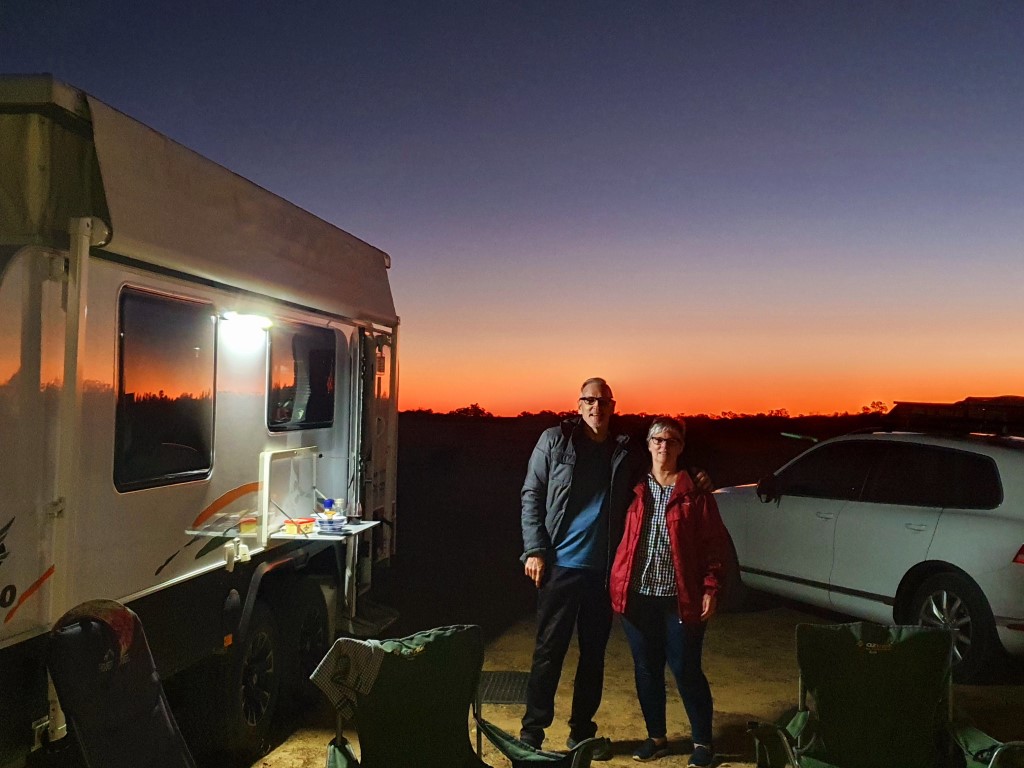
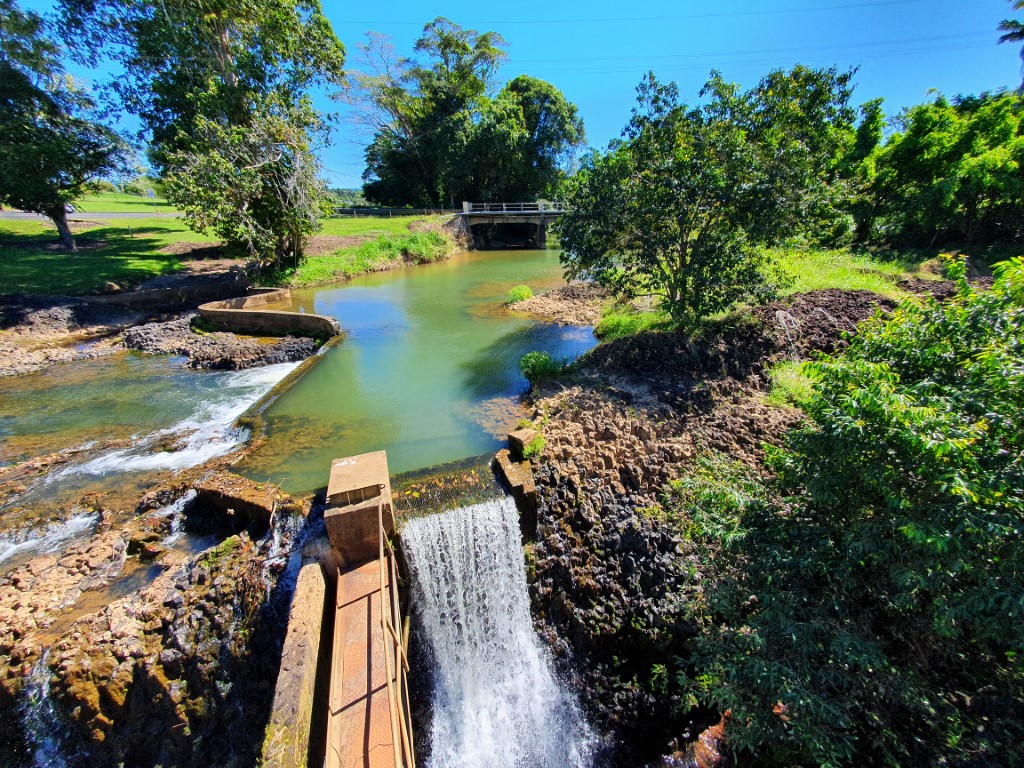
After spending some time in Tambo we all headed out only 2 kilometres to the Stubby Bend free camp on the Barcoo River and set up camp by mid afternoon. Nice spot with a great sunset view. I broke out Jades (our eldest sons’) camp oven and cooked up some small potatoes wrapped in alfoil. While the spuds were cooking I put a small amount of meat as bait in my opera house yabby trap and tied it off on a tree and threw the trap into the Barcoo. Two hours later I came to retrieve it and found only one decent size yabby in there along with a very small juvenile. They were tossed back in later, after photos of course!
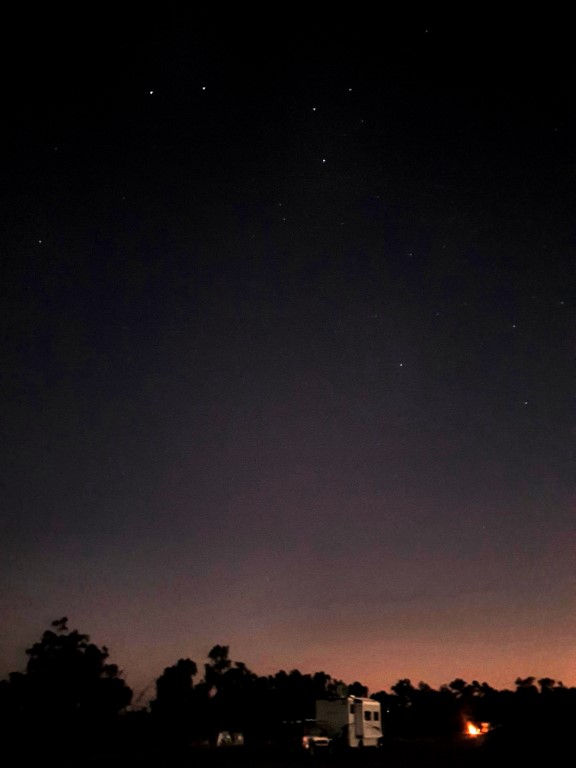
We took tome great photos that night around the campfire, the sunset and of the starry night sky. We also celebrated Pam and Garys 70th birthdays – Gary on July 7th and Pam still to have her celebration on August 3rd.
Day 4 to 6, 17th – 19th July Longreach
All three vans headed to Longreach for a three night stopover. We drove through Blackall and Barcaldine on the way to Longreach. A stop in Barcaldine for fuel, food and to take photos of the famous Tree of Knowledge where the shearers strike in the late 1890s was the catalyst that started the union movement and the formation of the Australian Labor Party.
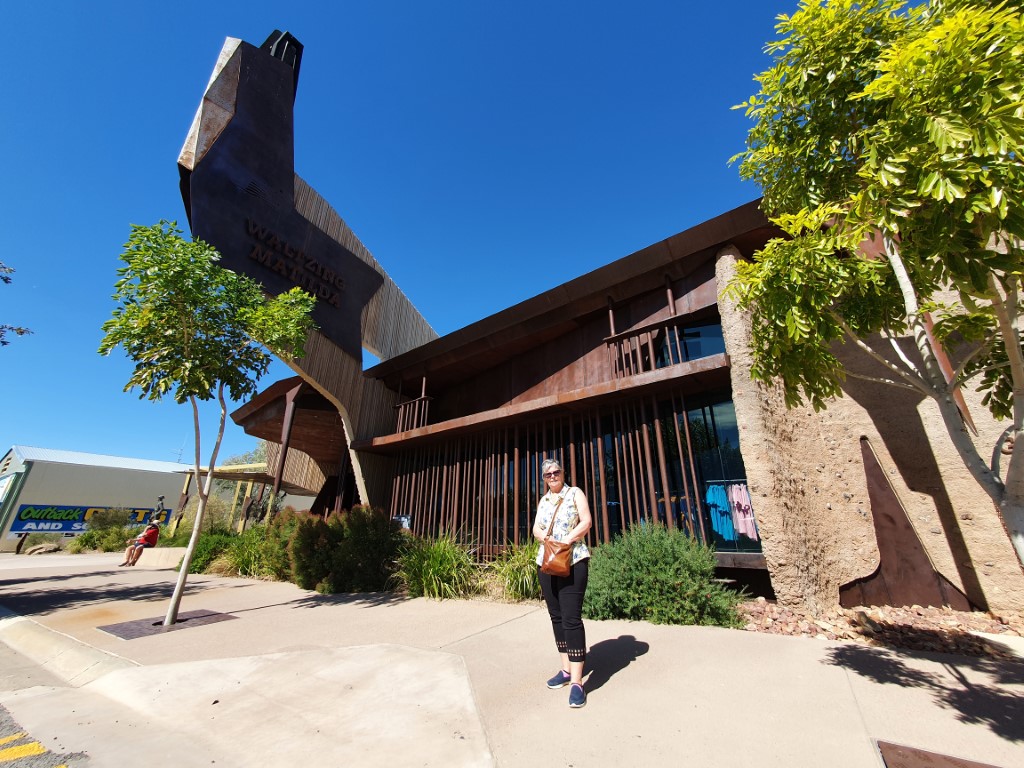
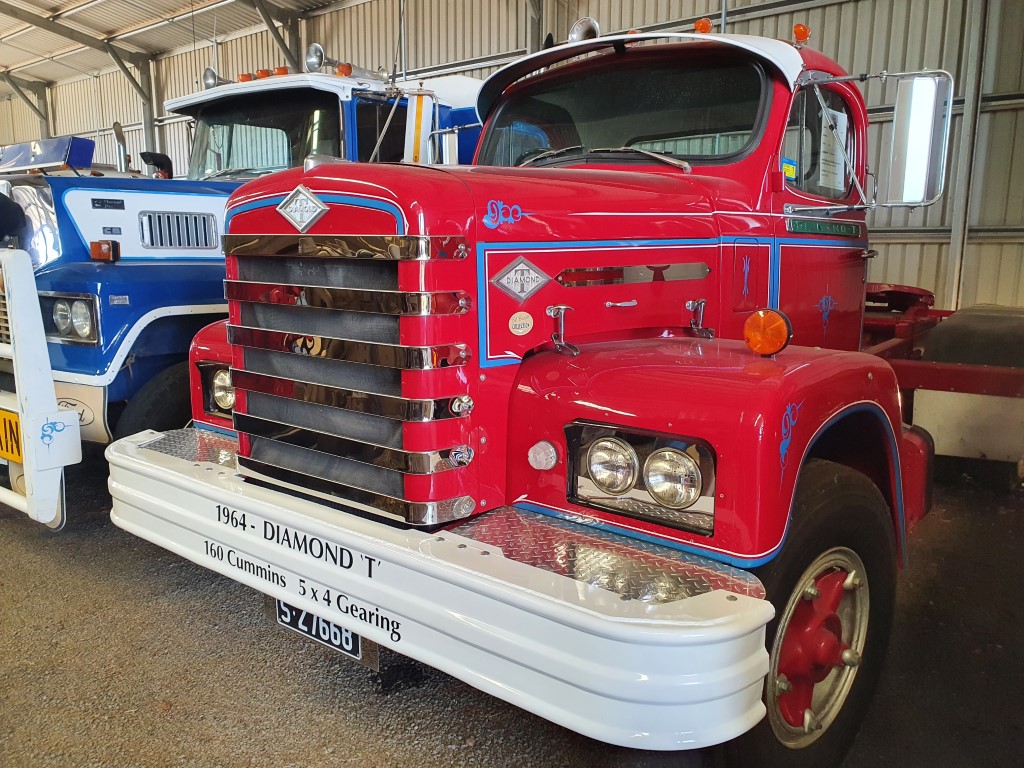
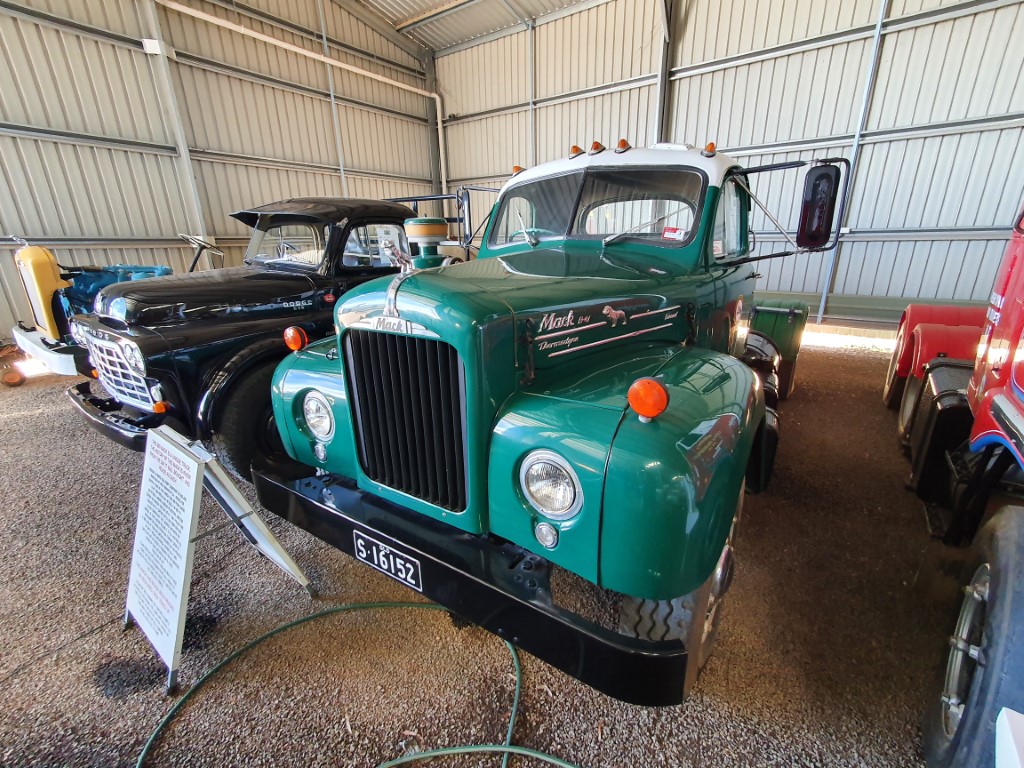
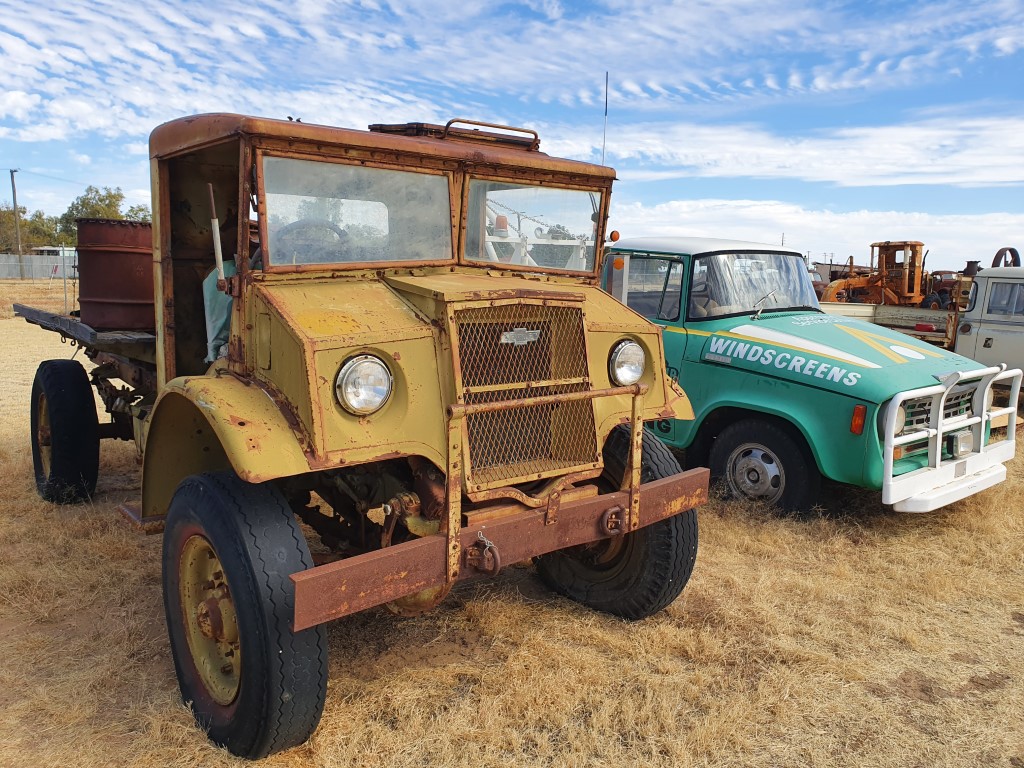
Just 28 kilometres south of Longreach is the little town of Ilfracombe. We had a short stop here and checked out the local history, of which the townspeople are very proud. They have a great museum and historical display which stretches a mile long (the machinery mile) featuring lots of machinery, drilling rigs, old trucks and vintage tractors from the early 20th century as well as a huge gun collection from both world wars.
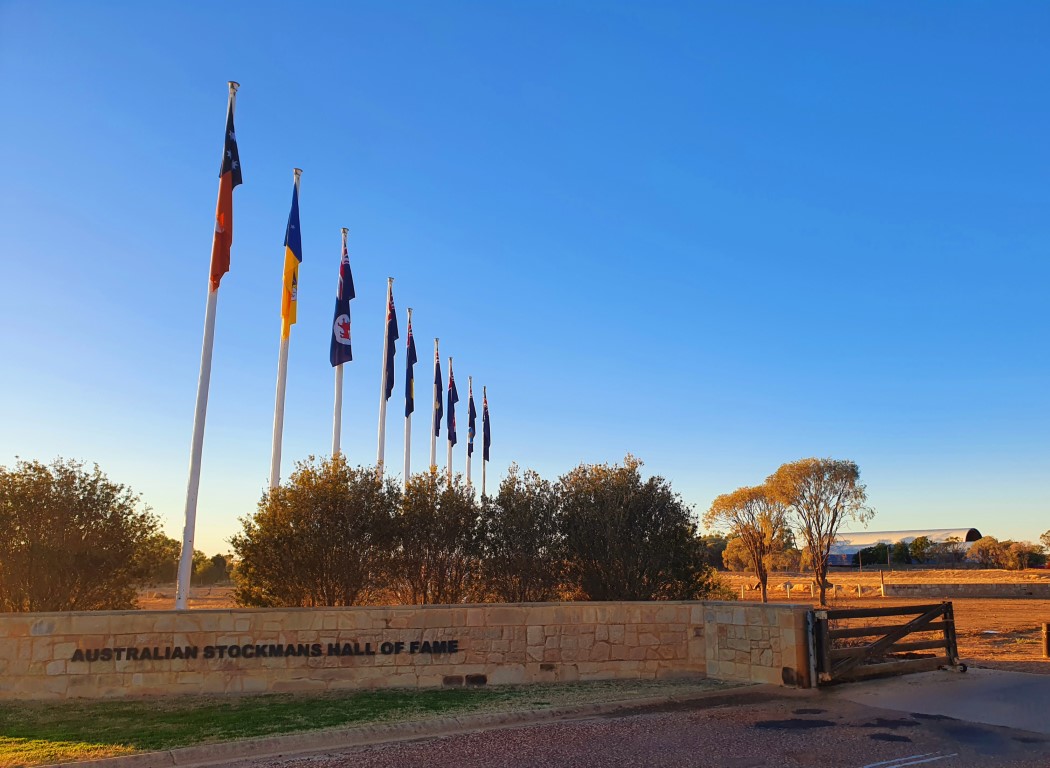
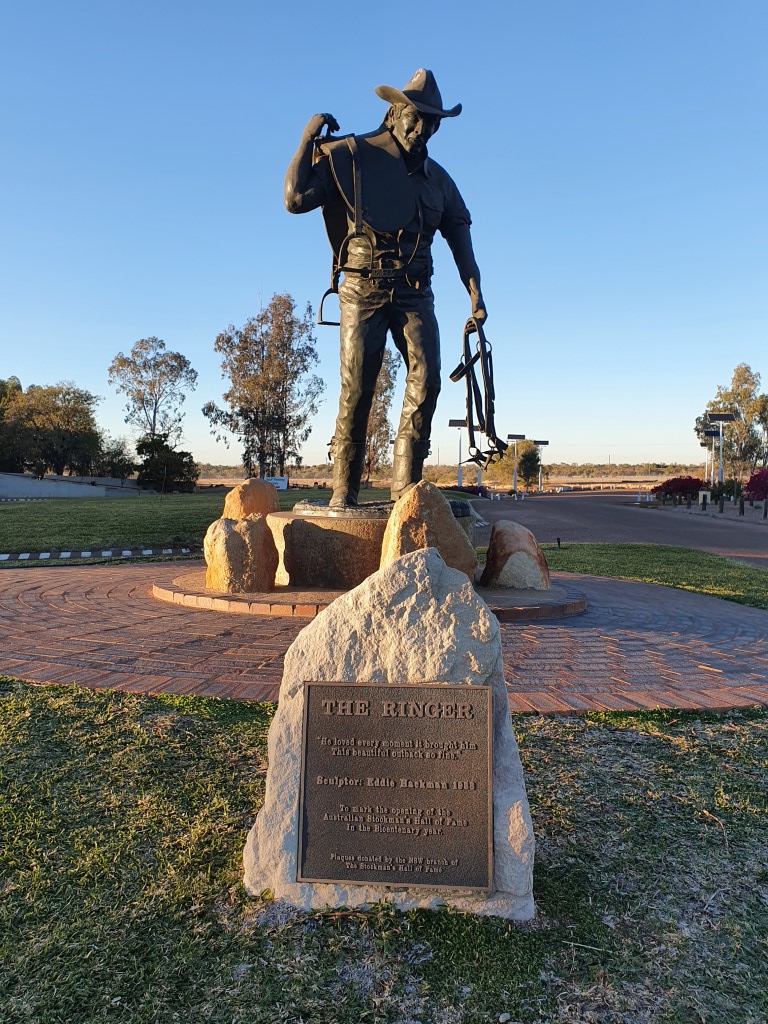
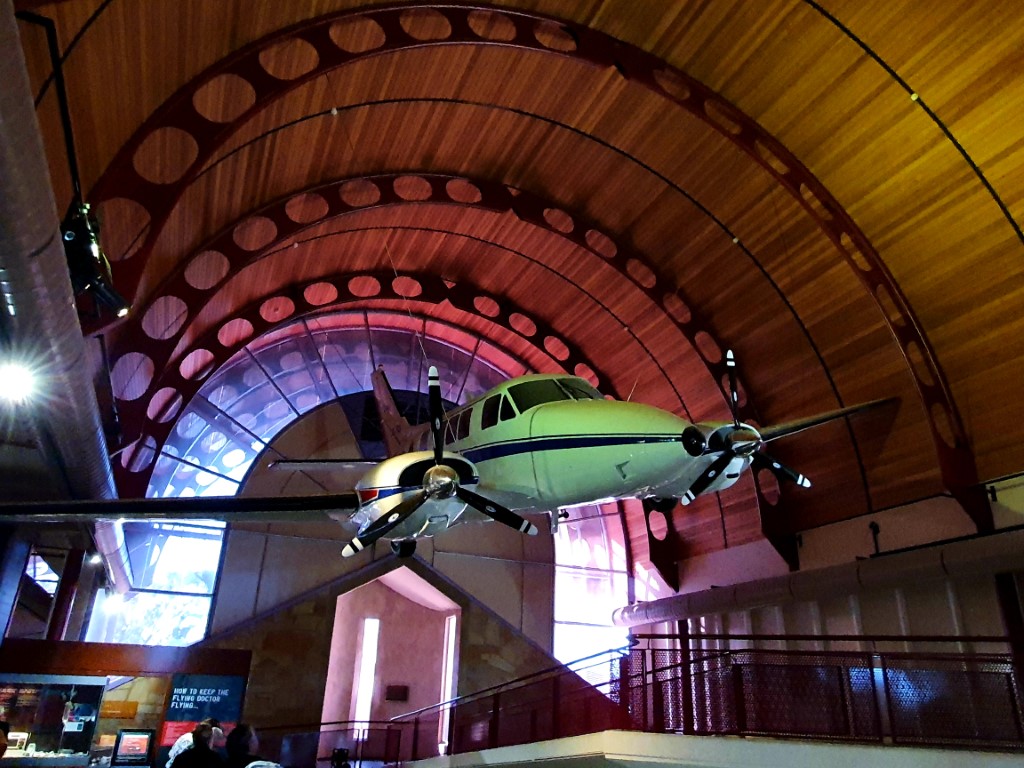
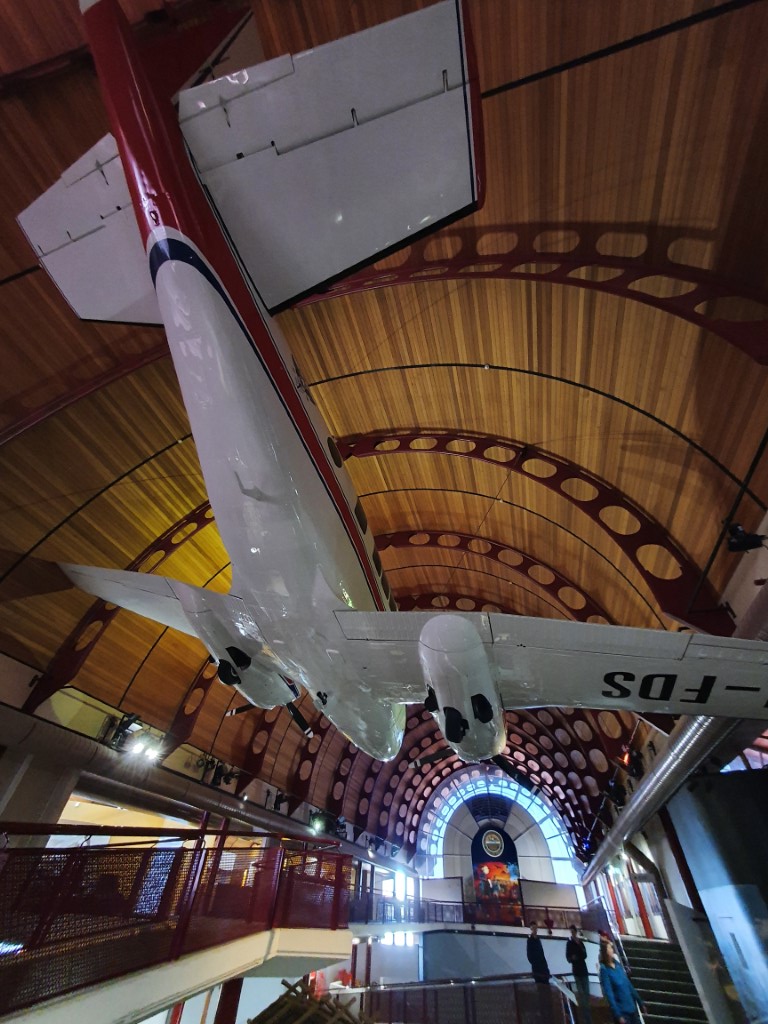
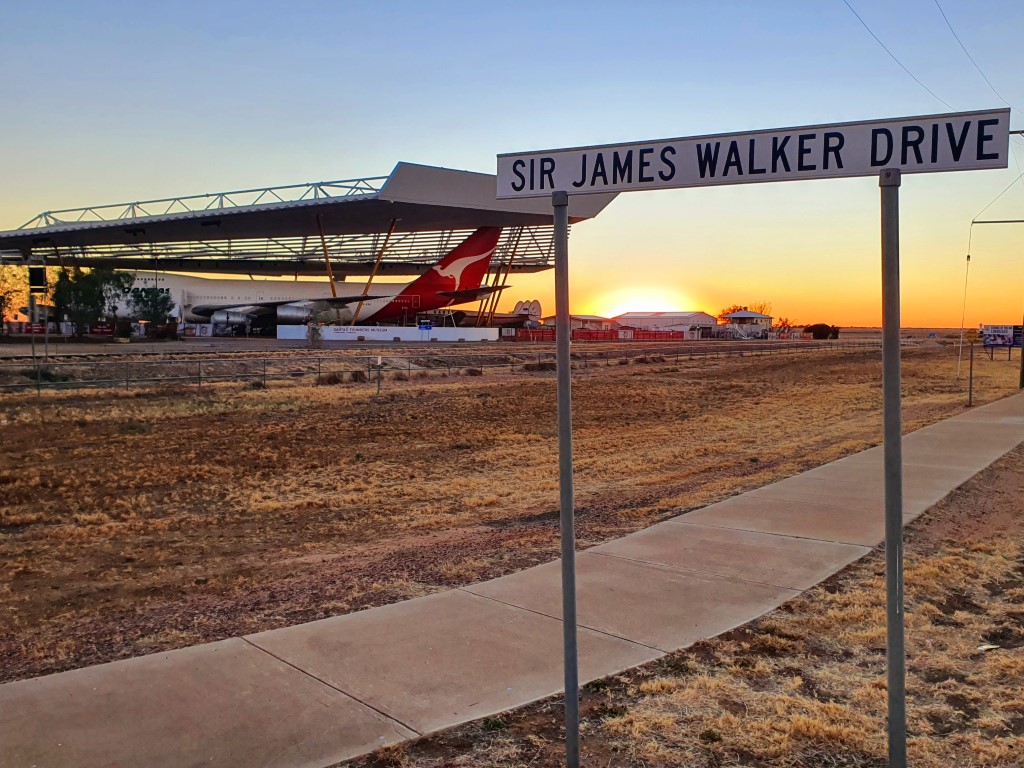
Longreach is a great western town where you can catch up on Australias’ outback history, including the history of Qantas at their museum, a new night time light show called Longreach Luminesence and the Stockmans Hall of Fame on the opposite side of the Landsborough highway. An added bonus on the morning of our Qantas museum tour was that a trio of warbird planes were on the tarmac. Having flown from Brisbane a couple of days prior and landing at Charleville before heading to Longreach.
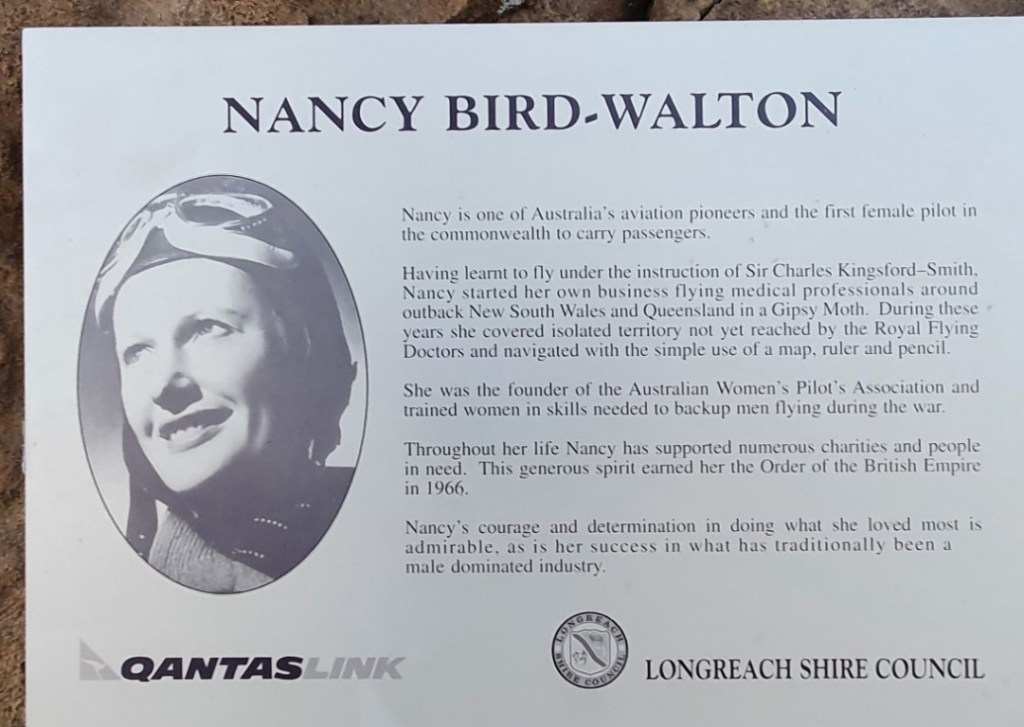
The Qantas museum has some amazing historic pieces on display including audio visual information from the early 1900’s to the 1990’s. Hudson Fysh, Dr John Flynn, Charles Kingsford-Smith, Charles Ulm, Sir James Walker, Nancy Bird and many other luminaries from Australias’ flying past were all displayed there on celluloid, video, print, interactive screens and other media for visitors to peruse. There were also mock ups of flying machines where you could sit in or behind the planes and try to fly and/or land them. The Catalina flying boat outside the building was an actual Navy plane set up for reconnaissance work in WW2. Unfortunately there was a planned power outage on the Saturday we were there so all ‘tourists’ had to exit by 10am. We have been to the museum on earlier occasions and still haven’t seen all there is to see.
Later in the evening we all went to the new Longreach Luminescence show where more historic footage of Qantas through the years, including war footage was thrown up onto the fuselage of the static display 747, a restored Douglas DC3 and the tri-tailed Constellation, all under the huge purpose built covered ‘hangar’. A fantastic show and one every visitor to Longreach should see.
After the night show at the Qantas museum we all went out for dinner at a pre-booked table at the RSL club. Very nice club and friendly staff.
Day 6, July 19 Longreach
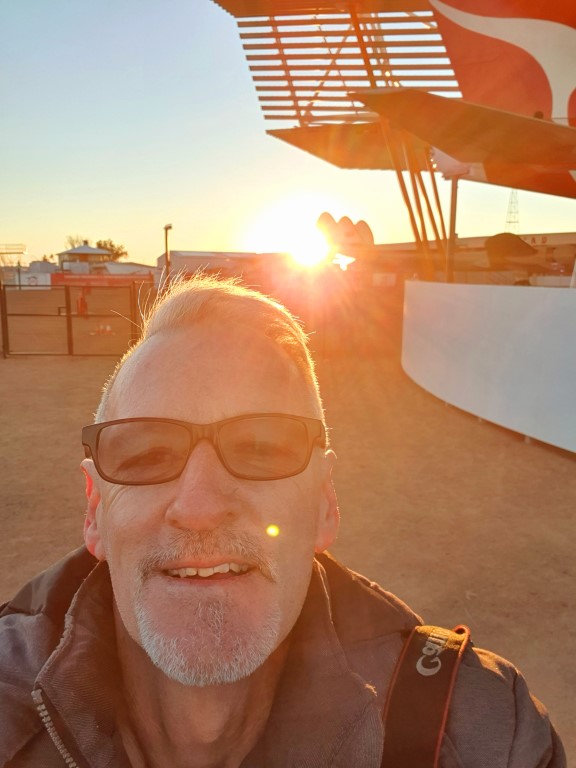
Still in Longreach and this time it was an early start to visit the famous Stockmans Hall of Fame at 9am. Well, not quite as early as me as I went for a return walk from the caravan park in the cool morning air to take sunrise photos at the Qantas hangar. Some great shots captured of the sun rising behind the tail of the 747 and the Constellation. From there I sauntered across to the Stockmans Hall of Fame to take yet more photos before people arrived for the first show some two hours later.
Gary and Pam hadn’t ever ventured further west than about Dalby, (Gary did work at the Millmerran Power Station some years ago) so this trip to the Outback was a first in many ways.
Day 7, July 20 Winton
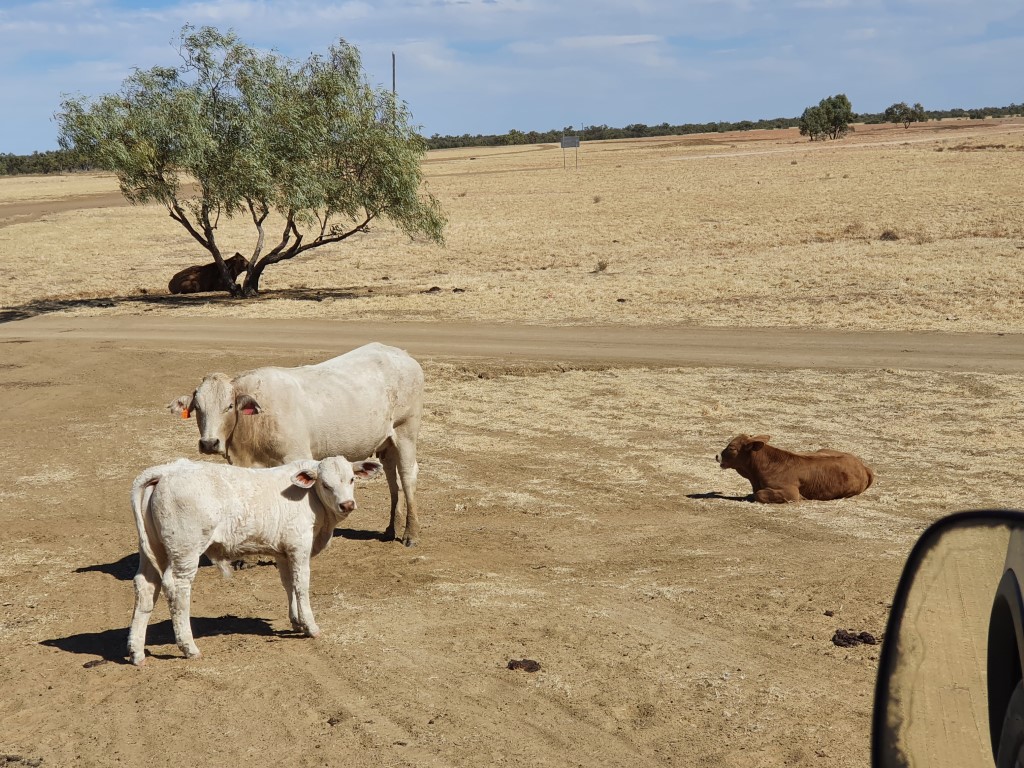
Off to Winton further north on the Landsborough highway. A few emus and brolgas as well as roos and cattle were spotted along the way but no sheep – anywhere. All gone off to market or agisted elsewhere or the mobs were downsized in the current economic climate.
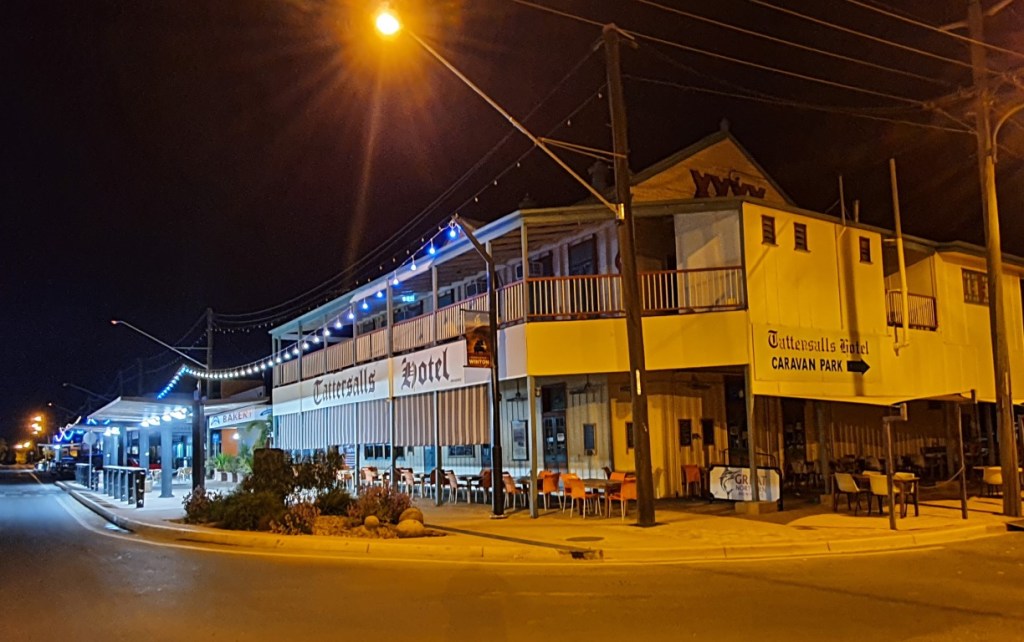
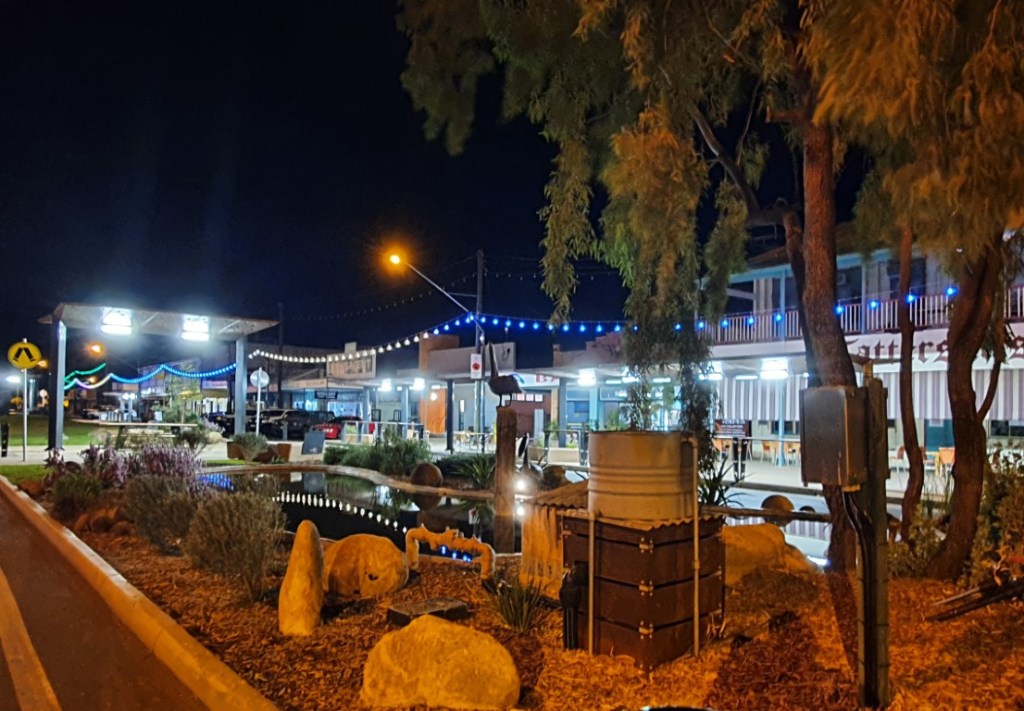
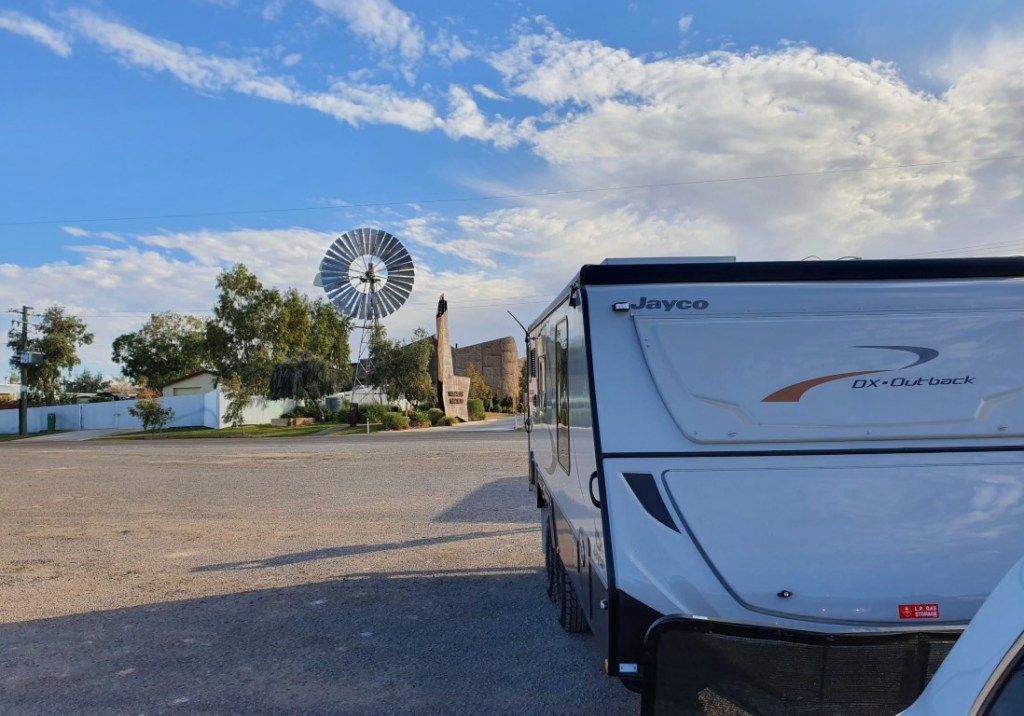
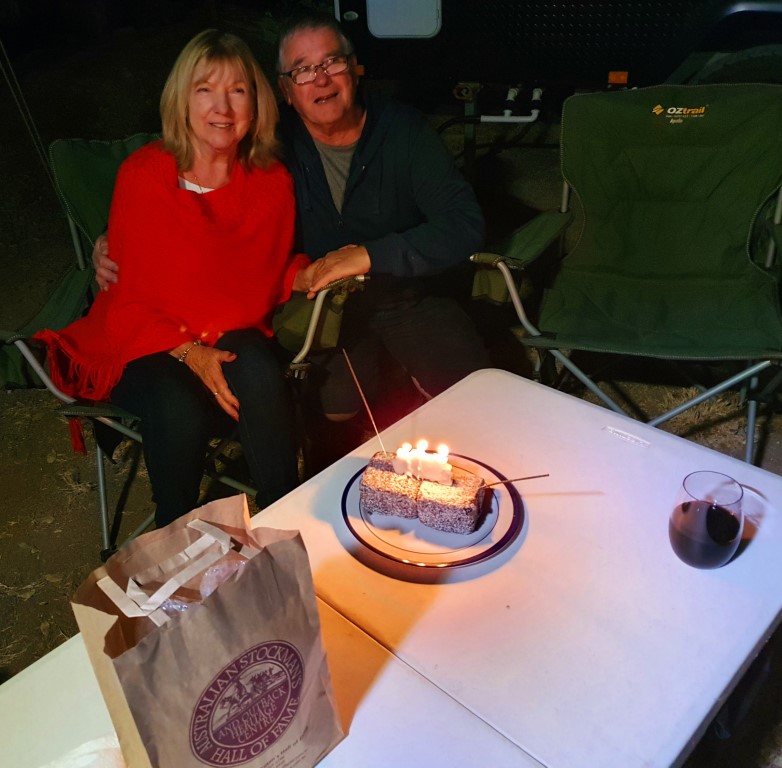
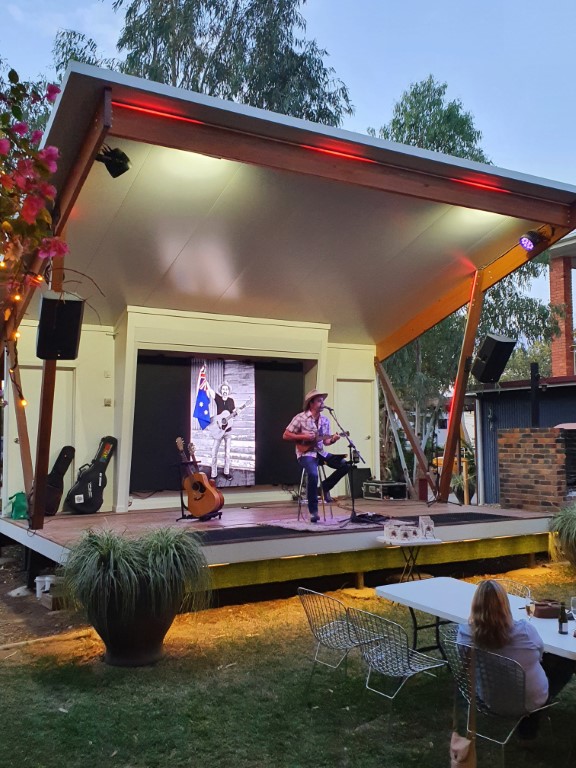
Arrived in Winton around 2:00pm and checked off our reservations for three caravan spots at the Tattersalls Hotel caravan park. The caravan park is run by the pub and it’s right across the road. Power, water, nice amenities in a demountable building with the free washing machines located outside in the weather! The local artesian bore water was a bit on the nose due to the hydrogen sulphide smell from the bore water but ok to drink once boiled. Ian, Gary and I had drinks at the Tatts that afternoon and later at the North Gregory pub in the main street across the road. Live entertainment in the form of a bush poet, Gregory North (at the North Gregory??!!) and to follow Gregory up, a singer guitarist who was very good. Unfortunately, ‘very good’ didn’t describe Gregorys’ performance! Drinks and a good pub meal, then a surprise birthday cake with candles and sparklers for Pam and Garys’ birthdays back at the van park.
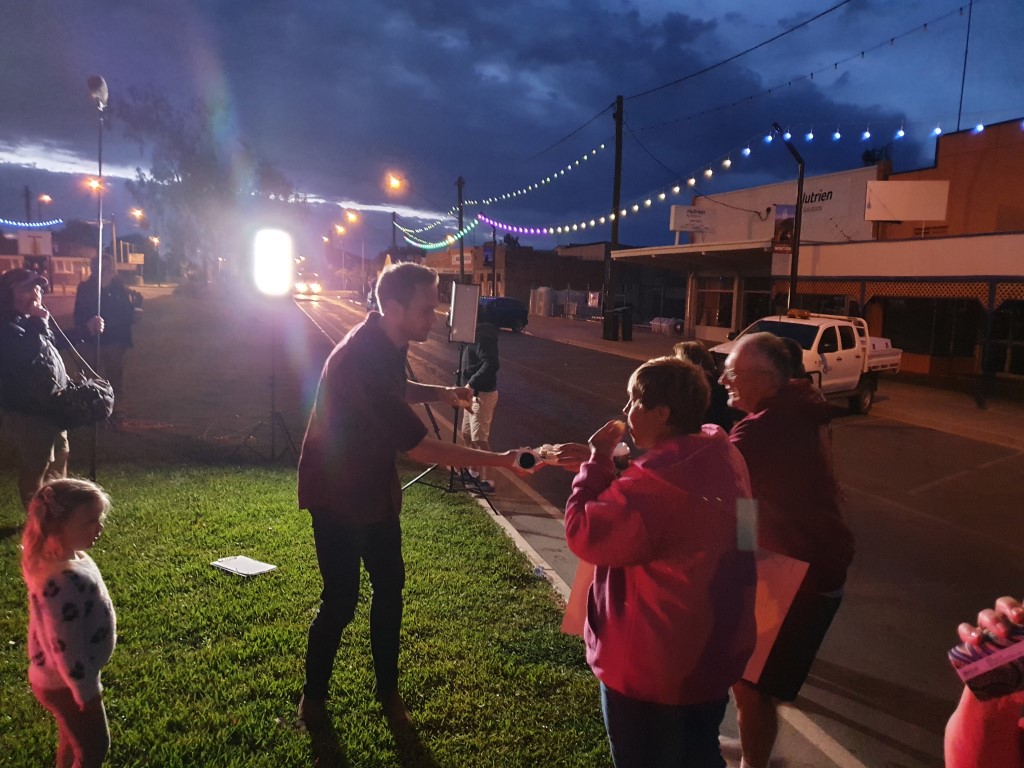
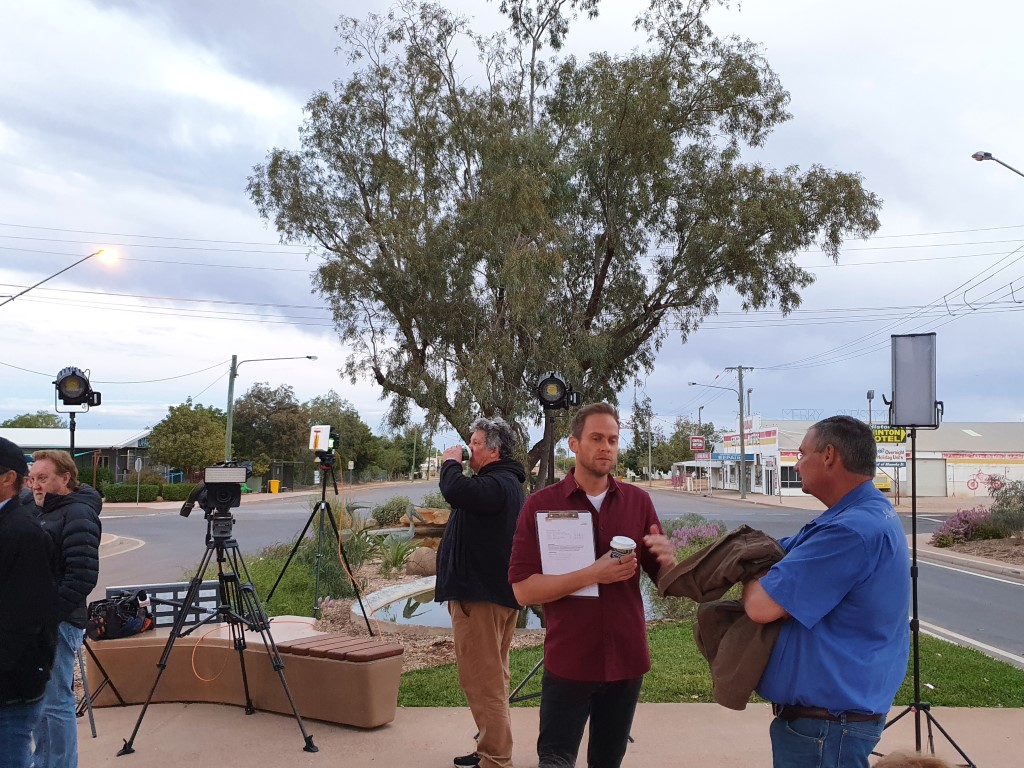
In the morning I rose early as usual but this time it was to check out the Channel 9 Today show team broadcasting Queenslands’ weather live from the main street of Winton with their anchor-man Tim Davies and TV crew. I managed to get Tim to record a selfie video shout-out to Pam and Gary for their 70th birthdays from outside the local bakery just before they went to air and crossed to Karl Stefanovic live in the studio. Thanks Tim and the Channel Nine crew for their hospitality and also to the local baker who provided the melting moments for everyone to enjoy – delicious!
Day 8, July 21 Winton
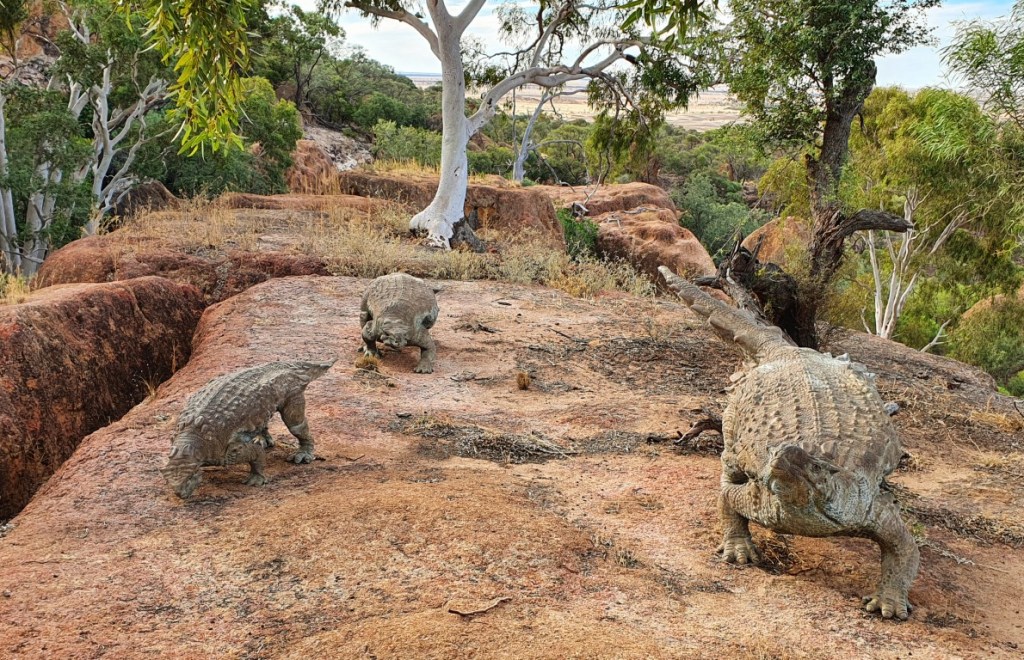
Drove up to the ‘Jump up’ in two vehicles, 25 km from Winton to see the Australian Age of Dinosaurs set up. What a fantastic addition to the tourist destination since last visiting in 2014! The Canyon Walk, the dinosaur sculptures right along the walk, the shuttle buses to and from the canyon, the laboratory changes – all well worth the admission price of $50. Another must-do in the outback.
Day 9 and 10, July 22 and 23 Hughenden and Porcupine Gorge National Park
Pam and Gary parted company here and headed back south to Barcaldine and east from there towards Rockhampton and down the coast to SE Queensland via Bargara and Cotton Tree.
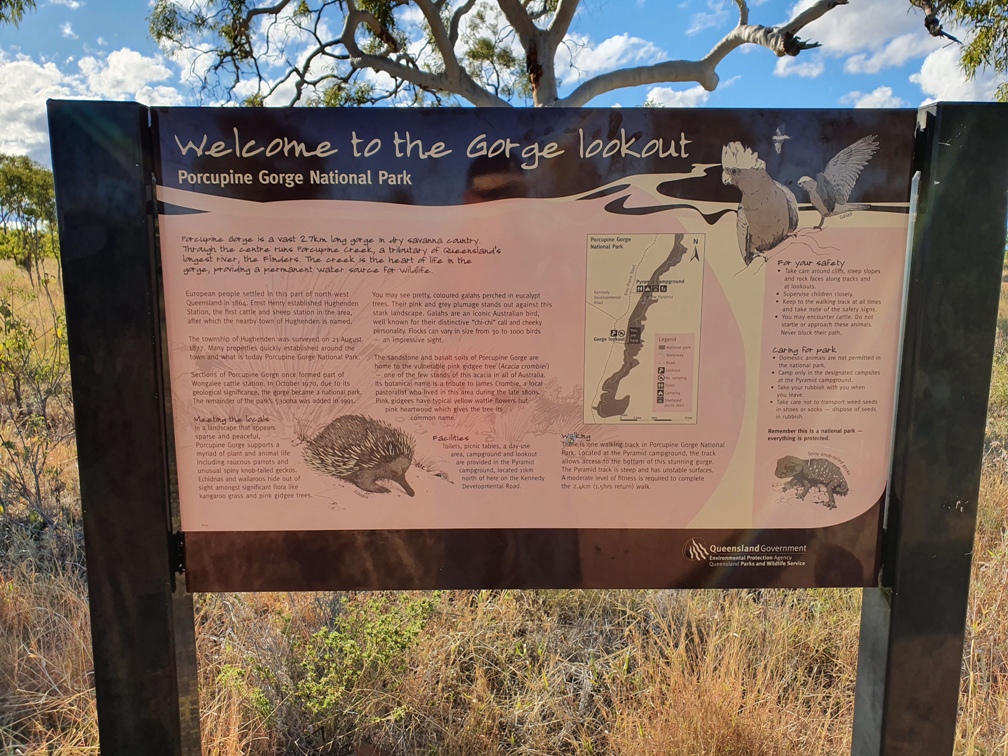
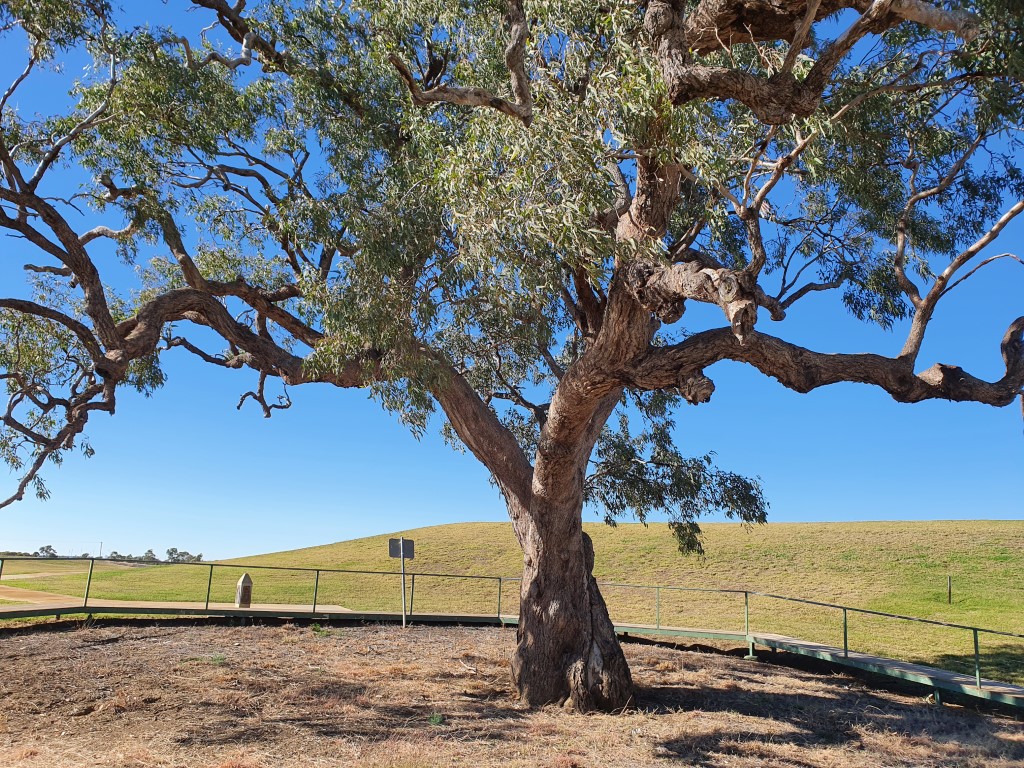
Ian and Jill, Colleen and myself continued our journey north and drove to Hughenden where we checked in to the Visitor Information Centre and booked an extra night at Porcupine Gorge National Park in the Pyramid campground. Bargain at $6.60 per person per night. The Visitor Info people were very helpful. We had lunch at the new lakeside park in town and returned there 2 days later to check out the still standing coolibah tree where Fredrick Walker and others left a survey blaze mark on the tree in the late 1800’s on the search for the ill-fated Burke and Wills expedition.
The drive to Porcupine Gorge National Park was great until we were waved down by a vehicle load of locals heading towards us saying there was hail ahead in the heavy rain which we encountered just a few kilometres prior to seeing them. The rain was so hard we had to pull over to the shoulder with our headlights and hazard lights on. After a few minutes we were game enough to proceed. Rain continued fairly heavily for a few more kilometres and then eased off. We drove into the National park campsite just as the rained stopped. Set up camp in the reddish mud but no real dramas. Went for a walk to check the surroundings and see where the bush walks started for the next day.
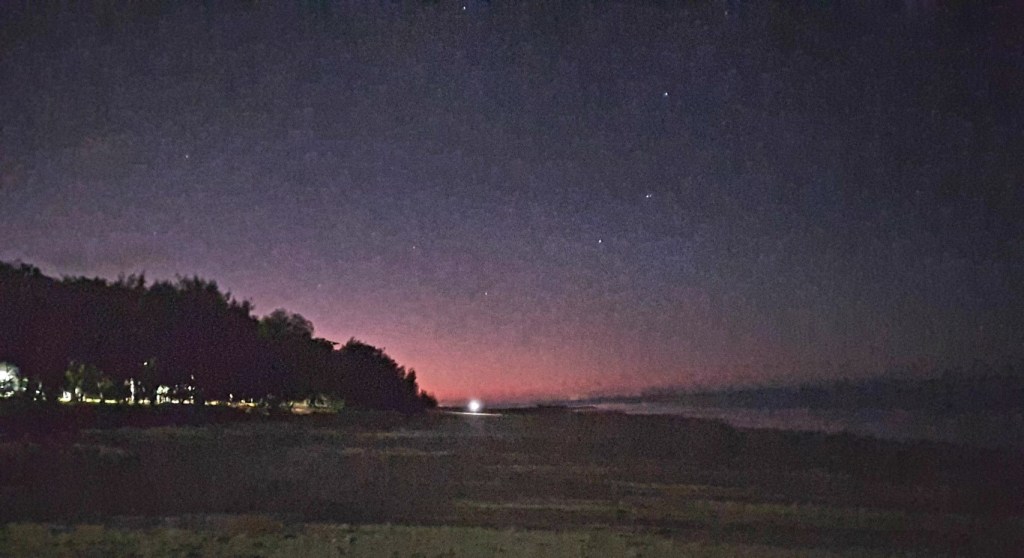
Sat around the camp fire with Jill and Ian after dinner and watched the stars come out after the clouds cleared. Early night tonight as we planned on doing a long walk to the base of Porcupine Gorge the next day.
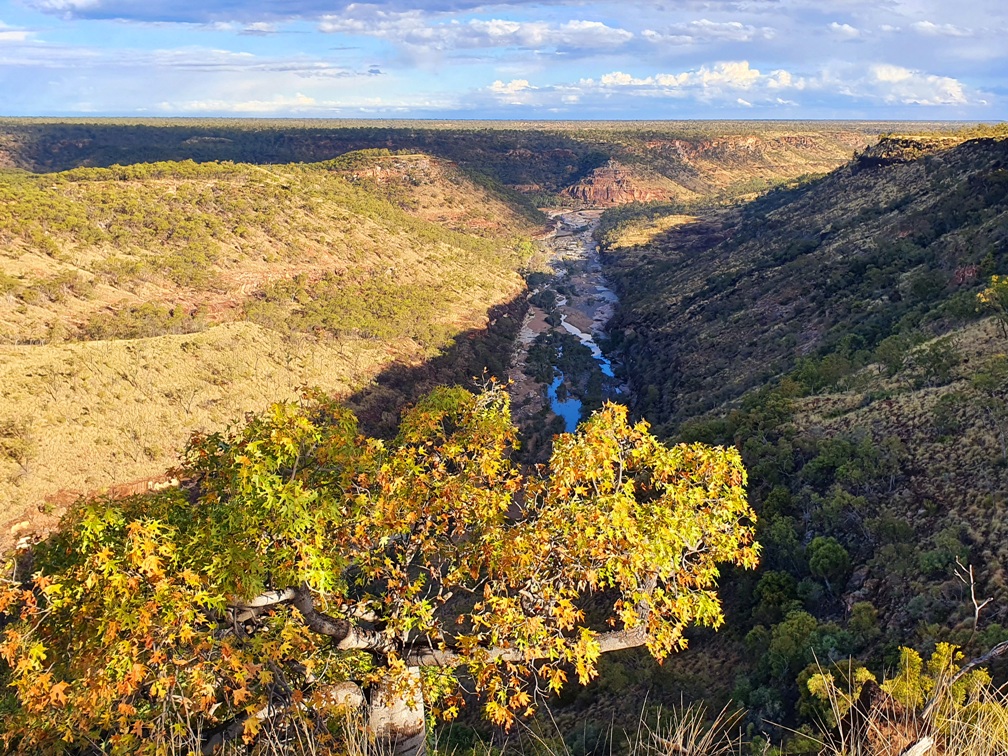
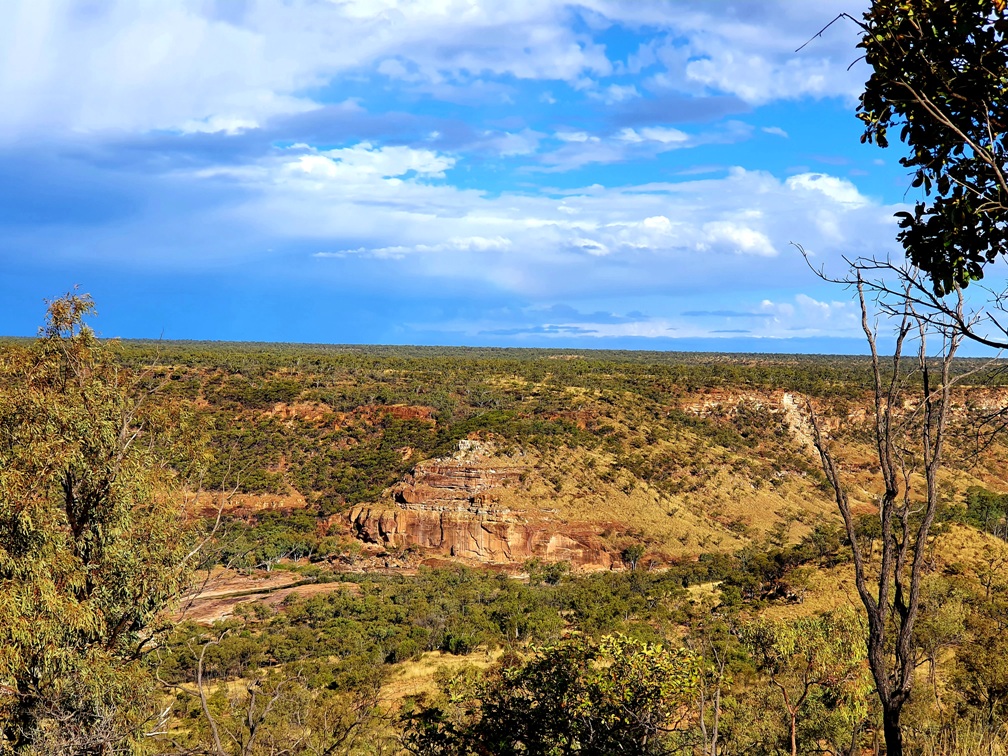
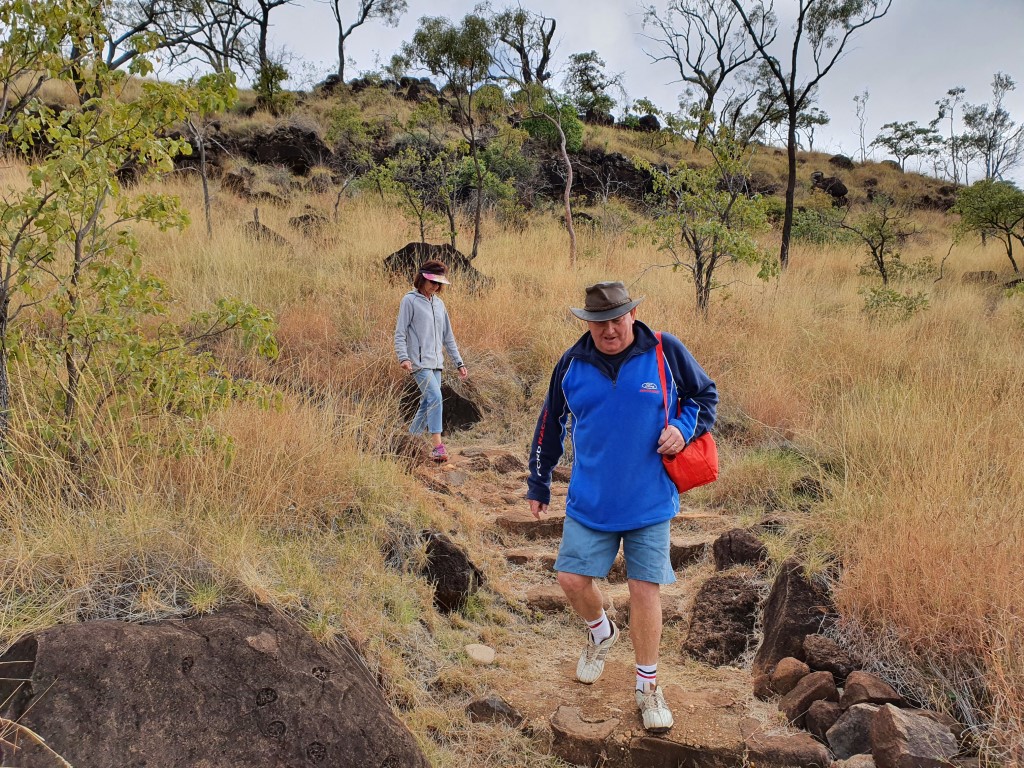
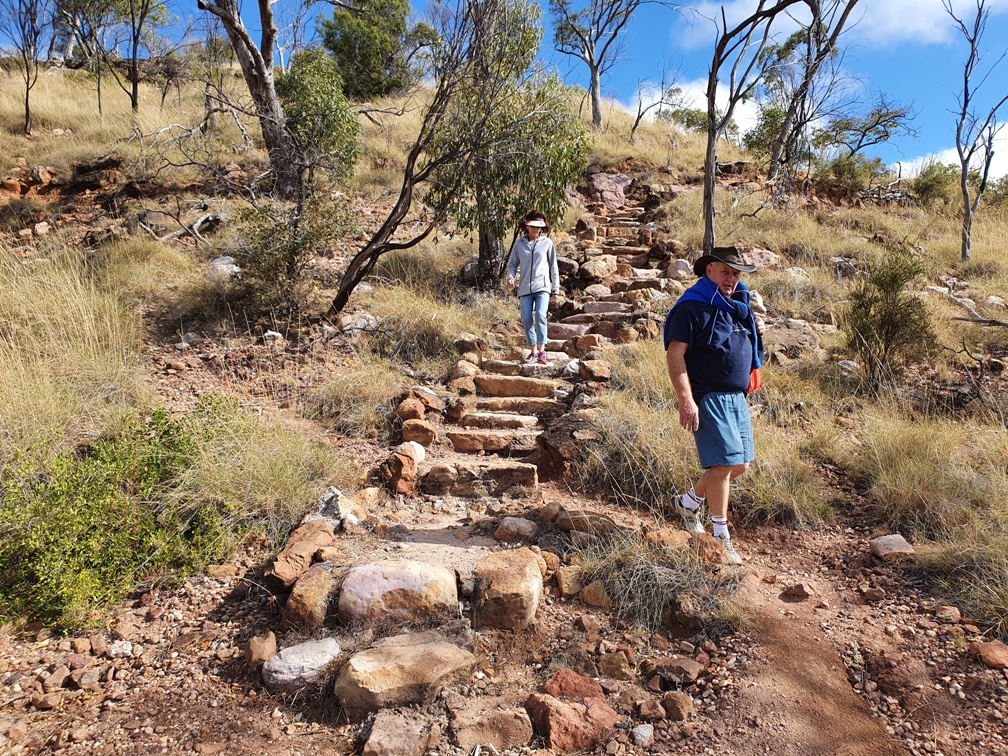
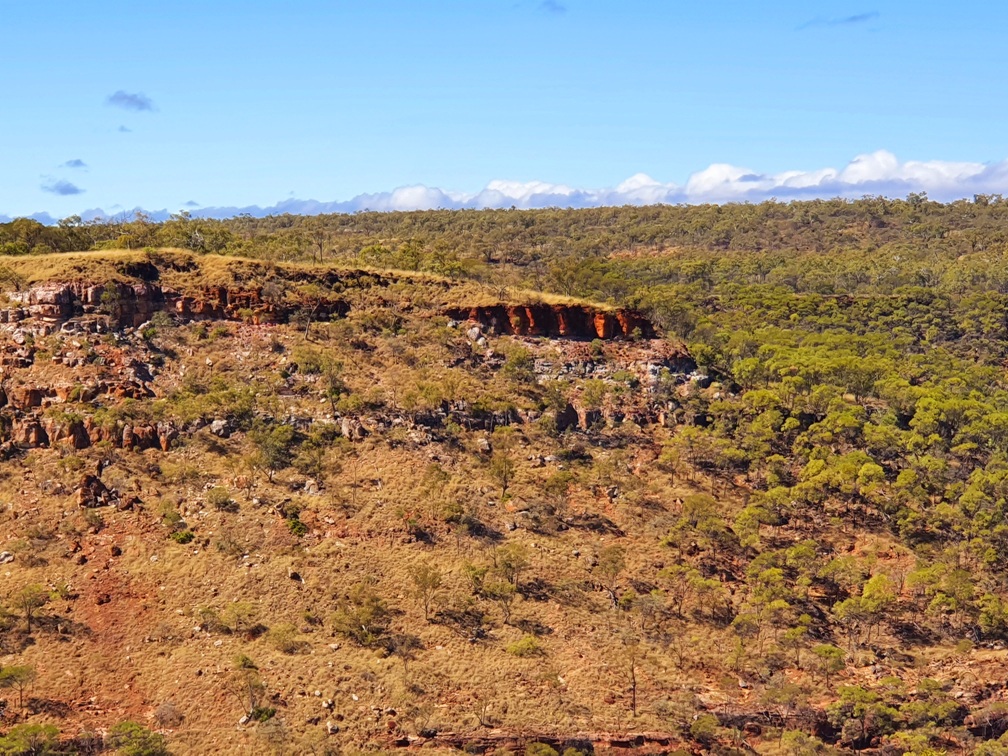
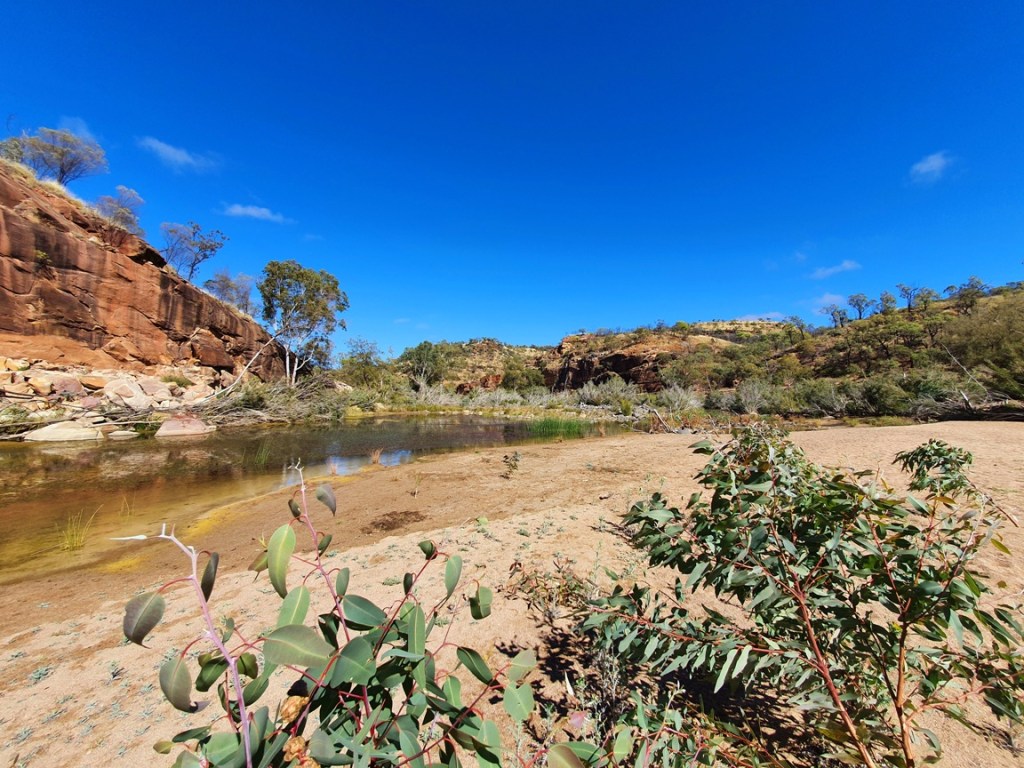
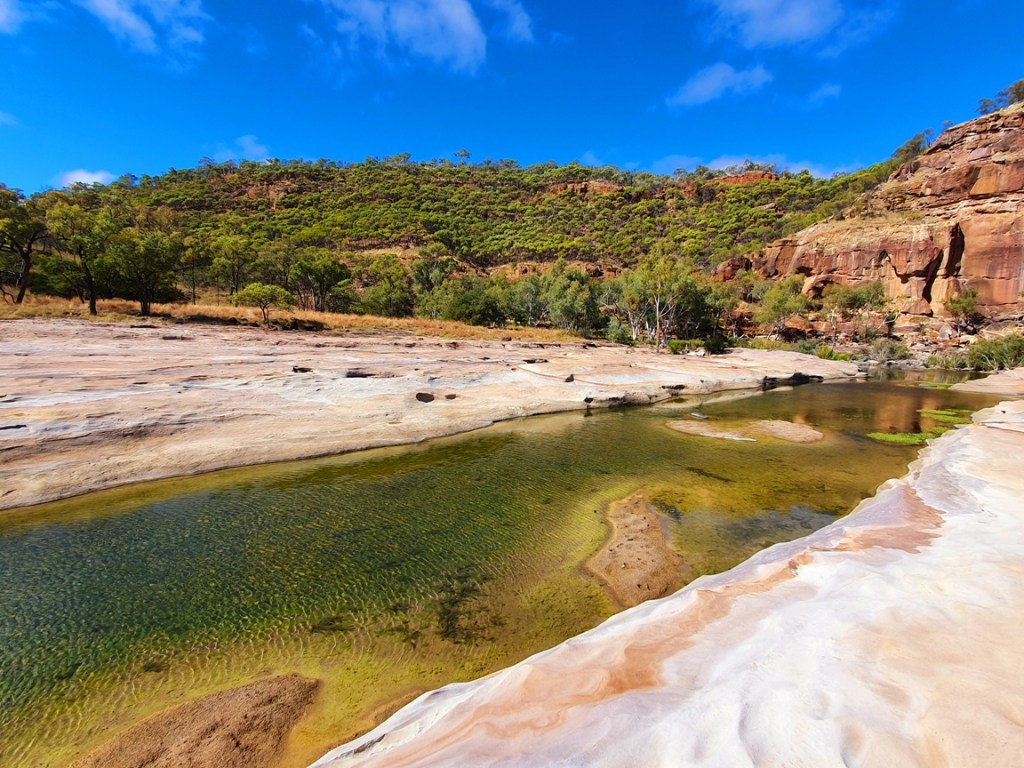
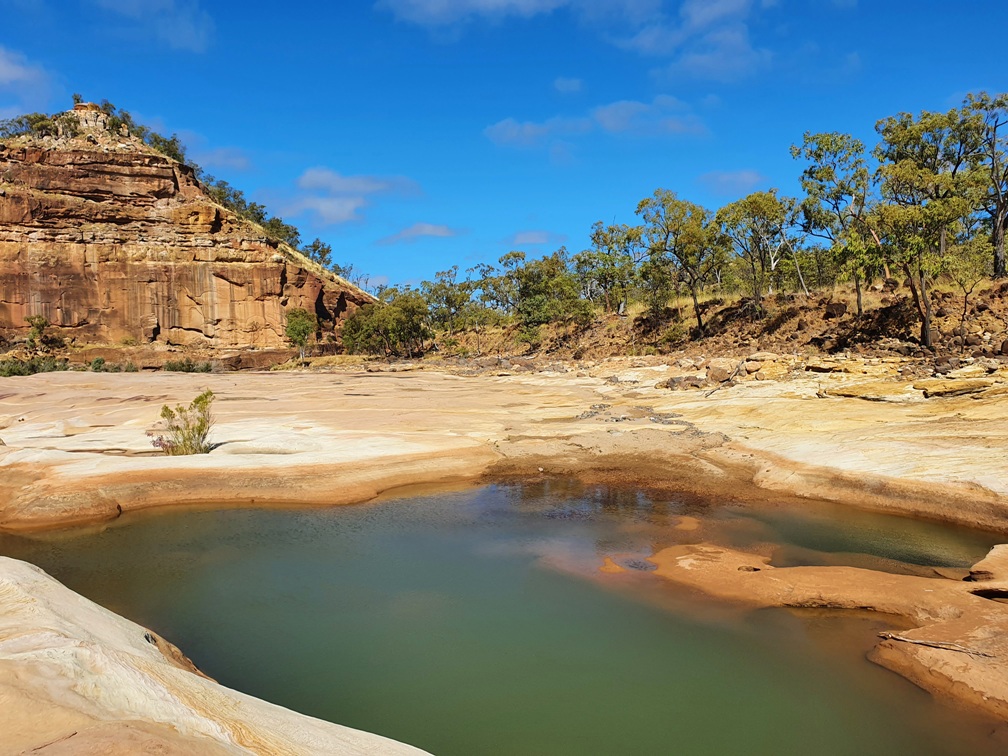
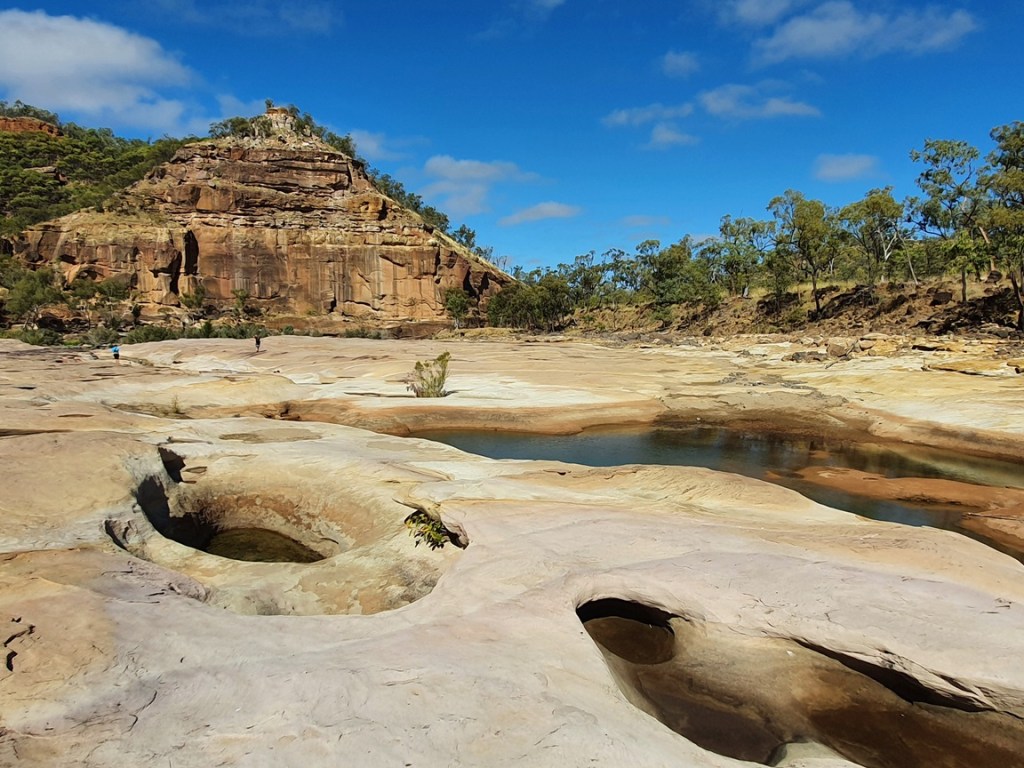
There are two basic walks in Pyramid campground – one short one of about 800 metres to the SE to view down into the gorge and the other a quite long, one hour one to the base of the Pyramid along Porcupine Creek. Colleen opted to do the short one – twice, once on the first day and again the next day. The remaining three of us did the long walk the next day. It was quite a challenge going down and back with hundreds of hand-made rock steps along the way but it was totally worth it as we got some awesome photos and videos of the creek and surrounding landscape.
Day 11, July 24 Bivouac Junction
Traveled from Porcupine Gorge National Park back down to Hughenden and headed east to Charters Towers to our next overnight stop just NE of there at Bivouac Junction park situated at the junction of the Fanning and Burdekin Rivers. This was not one of our best camp spots! The place was a bit run down with no numbered or marked out areas. The power situation wasn’t good as it tripped out all the time and we ended up moving sites to where the power would work.
Day 12, July 25 Balgal Beach
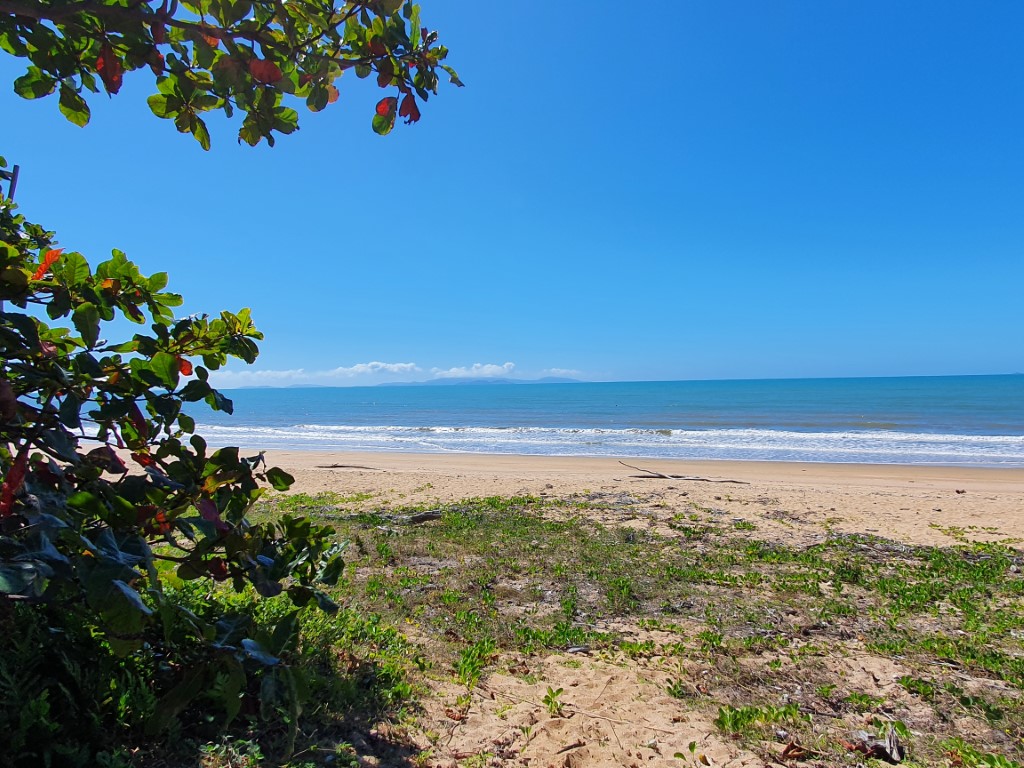
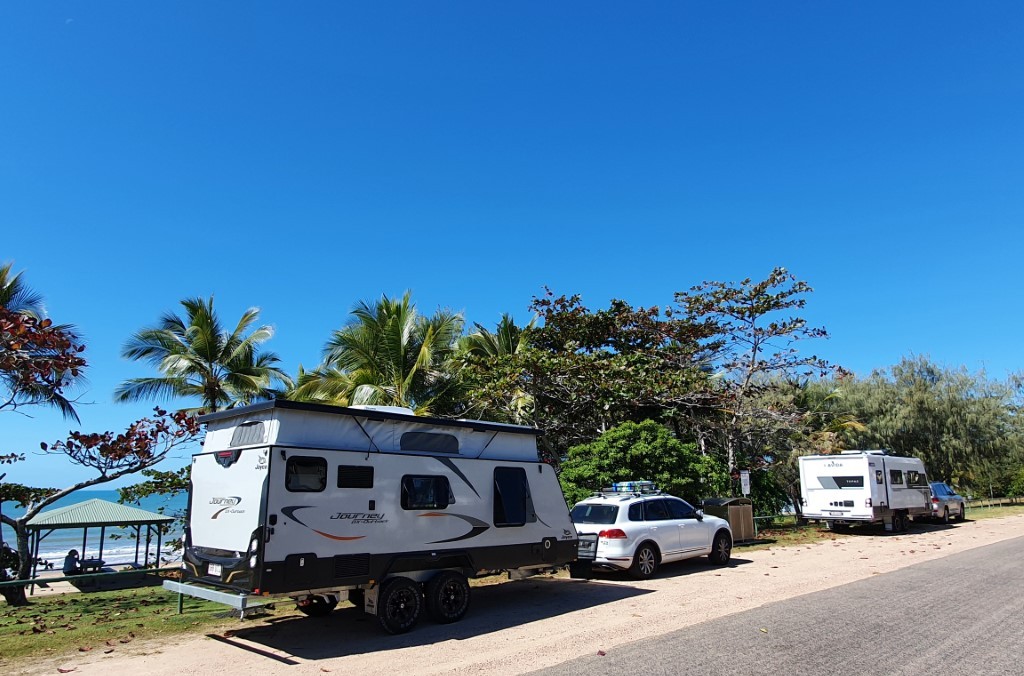
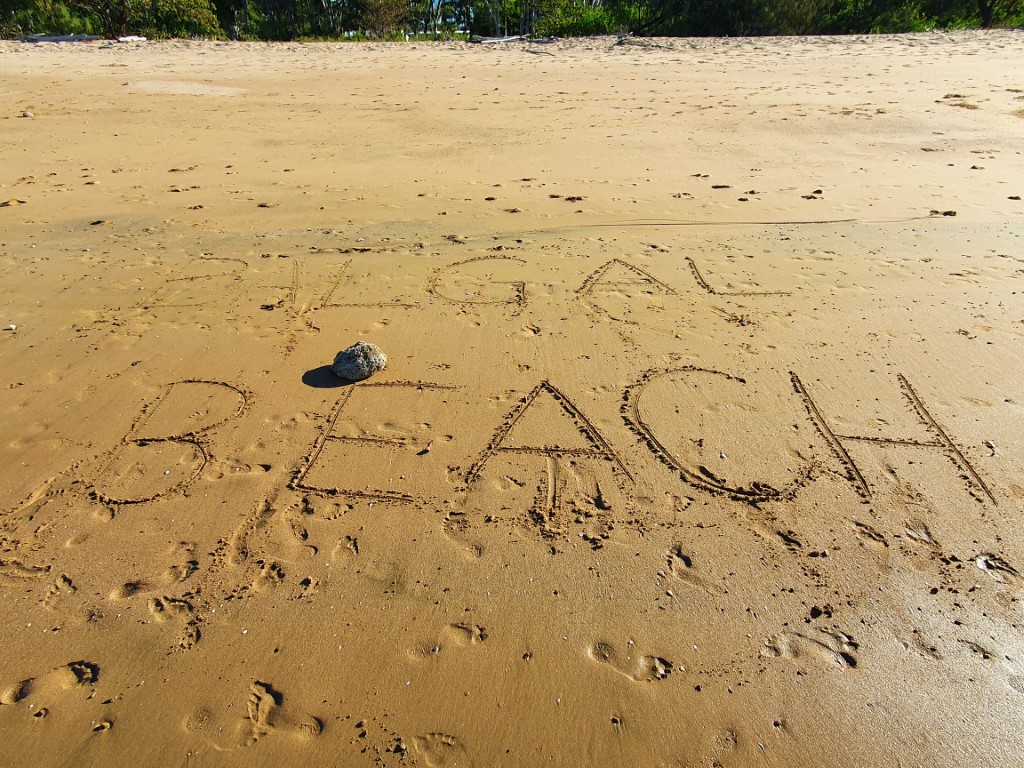
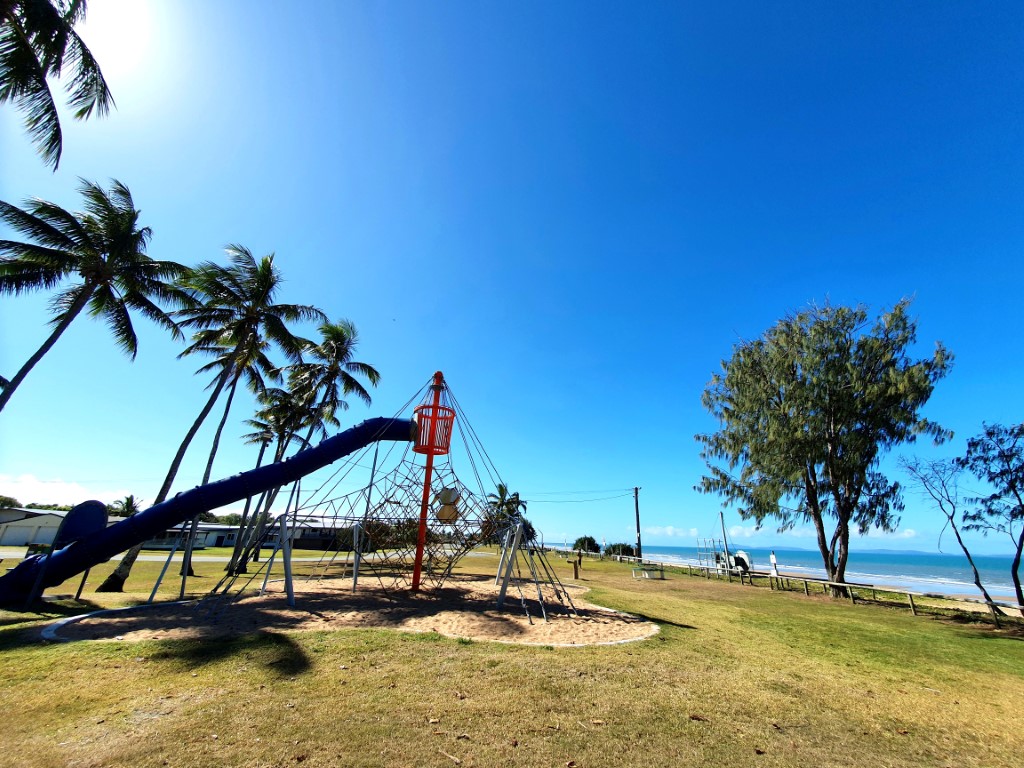
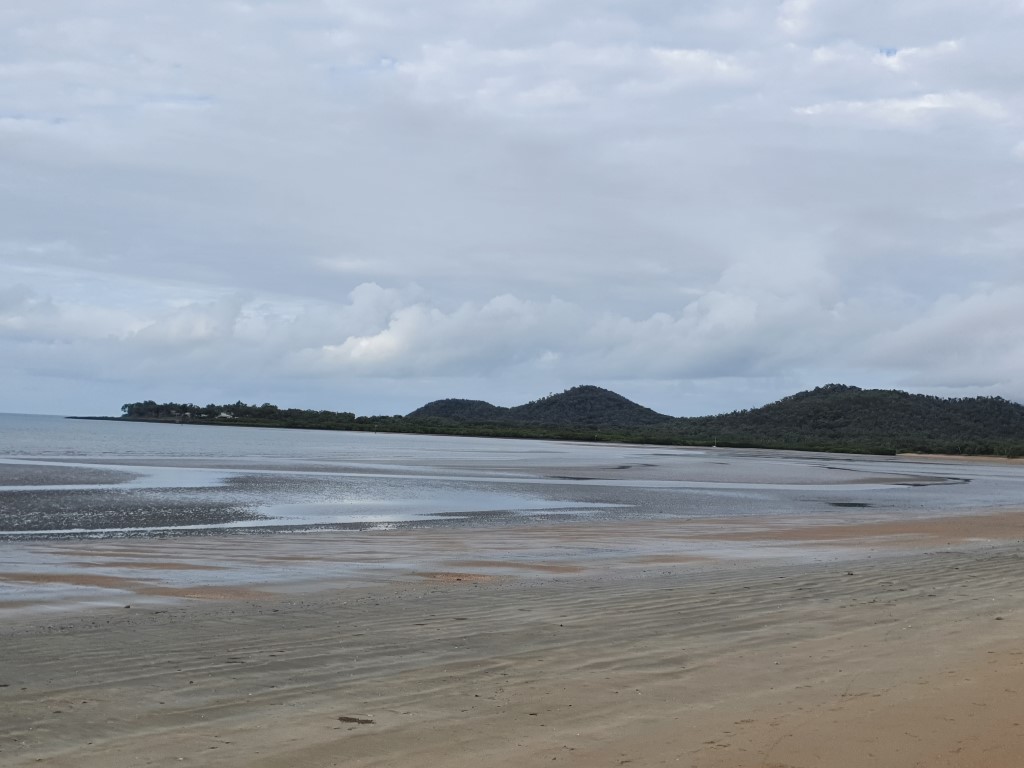
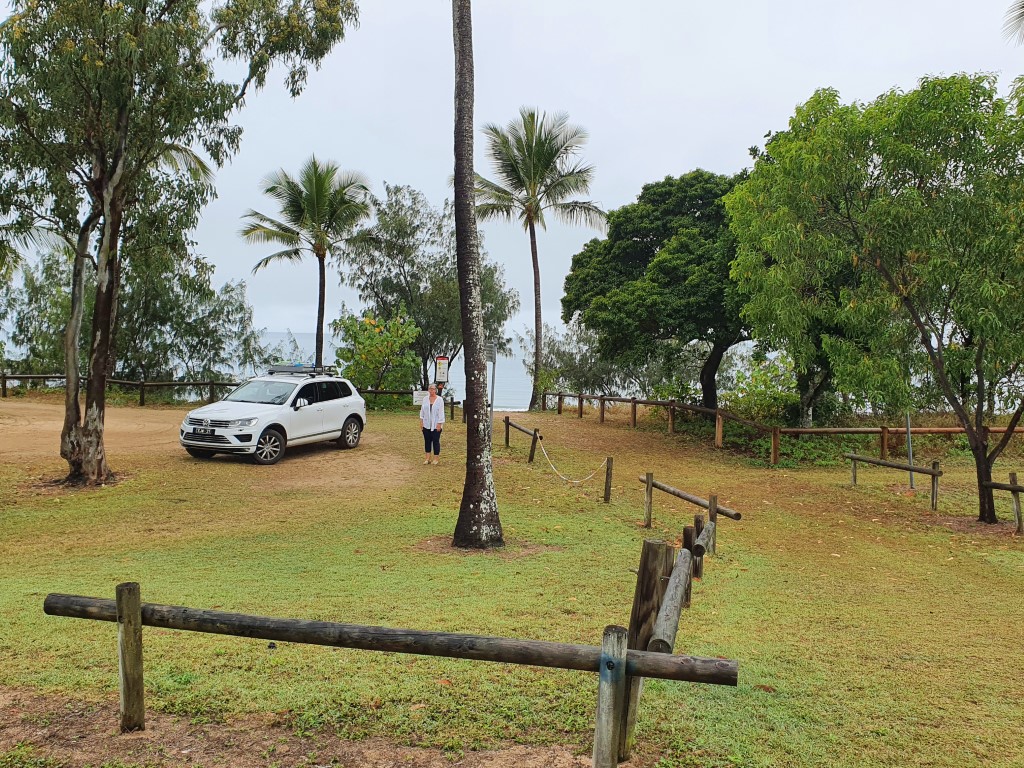
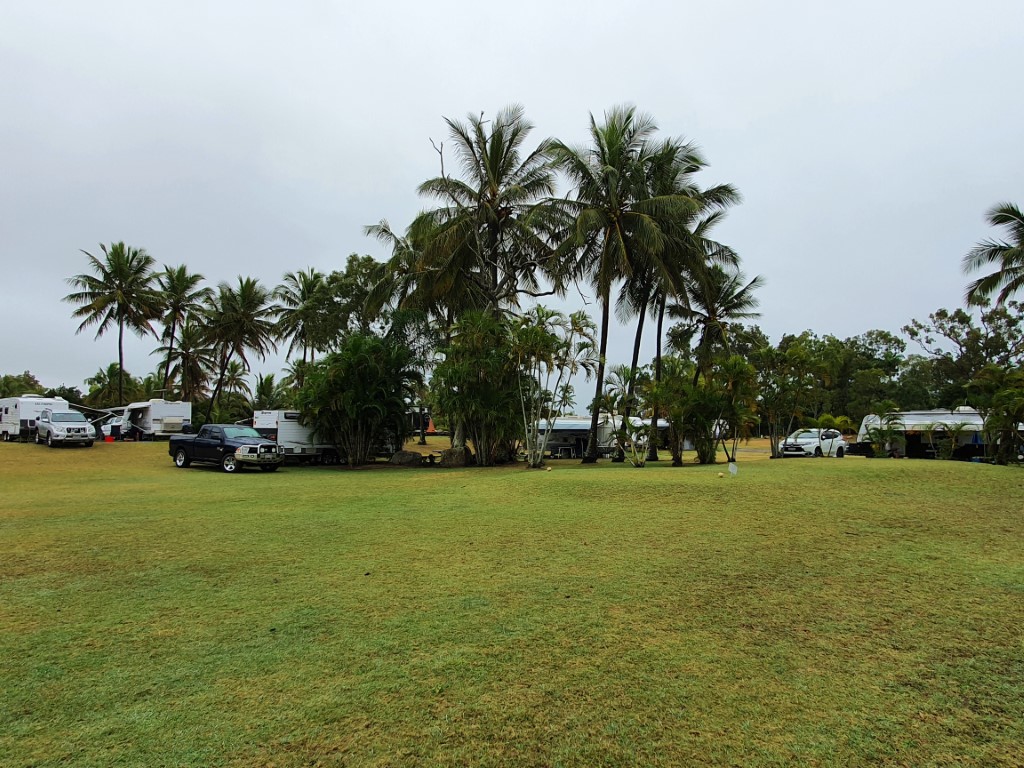
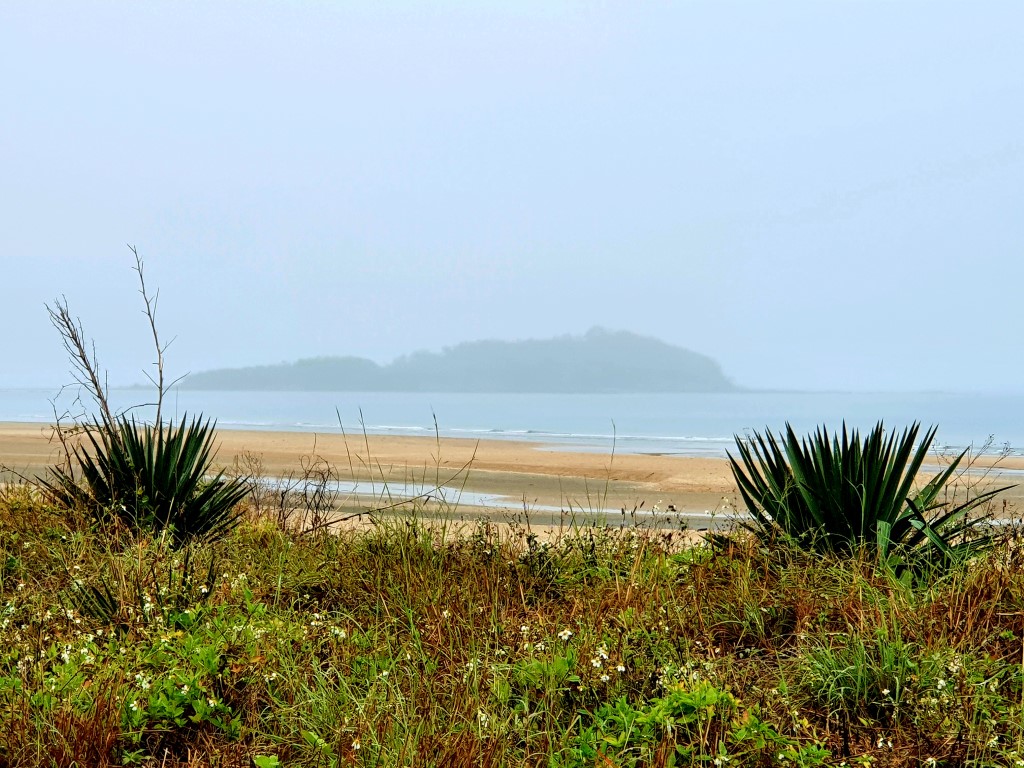
We headed off early towards Townsville and points further north to arrive at our next one night stop over at Balgal Beach free camp. We got separated by red traffic lights coming through Townsville so Ian and Jill had a ‘cooks tour’ of sorts and got back on the highway after a short time to catch up with us at Balgal Beach, right on the beach in a prime position with a park, bbq’s and fantastic view right outside our vans.
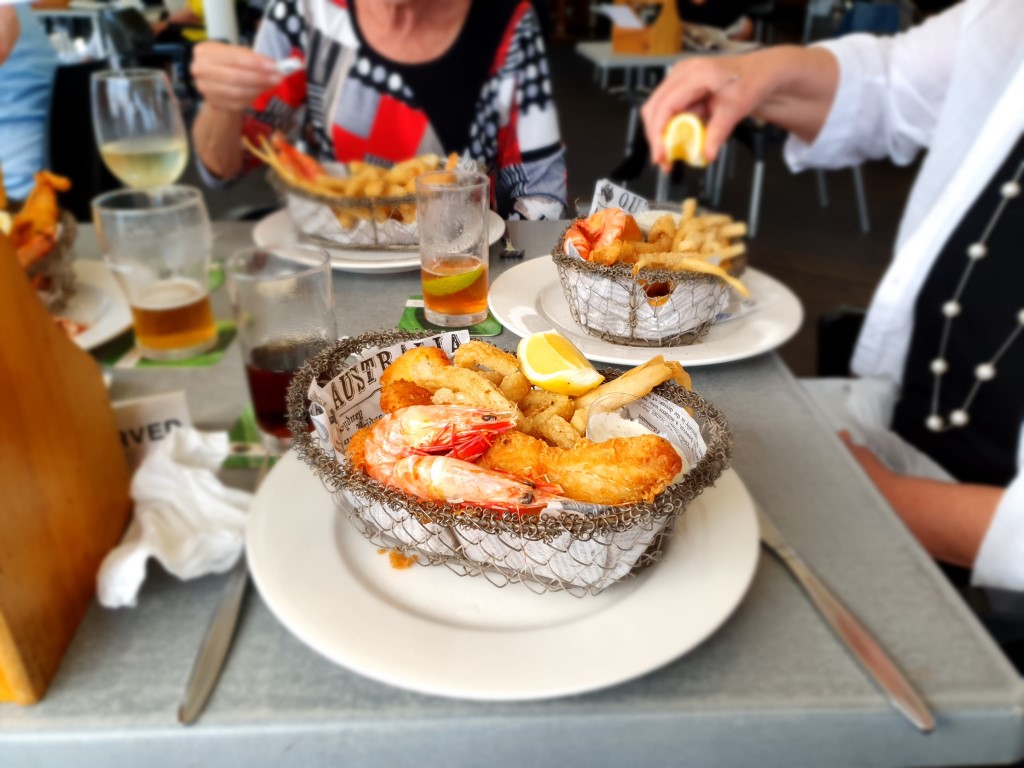
Fish ‘n chips at the local café on the water.
Day 13, July 26 South Mission Beach
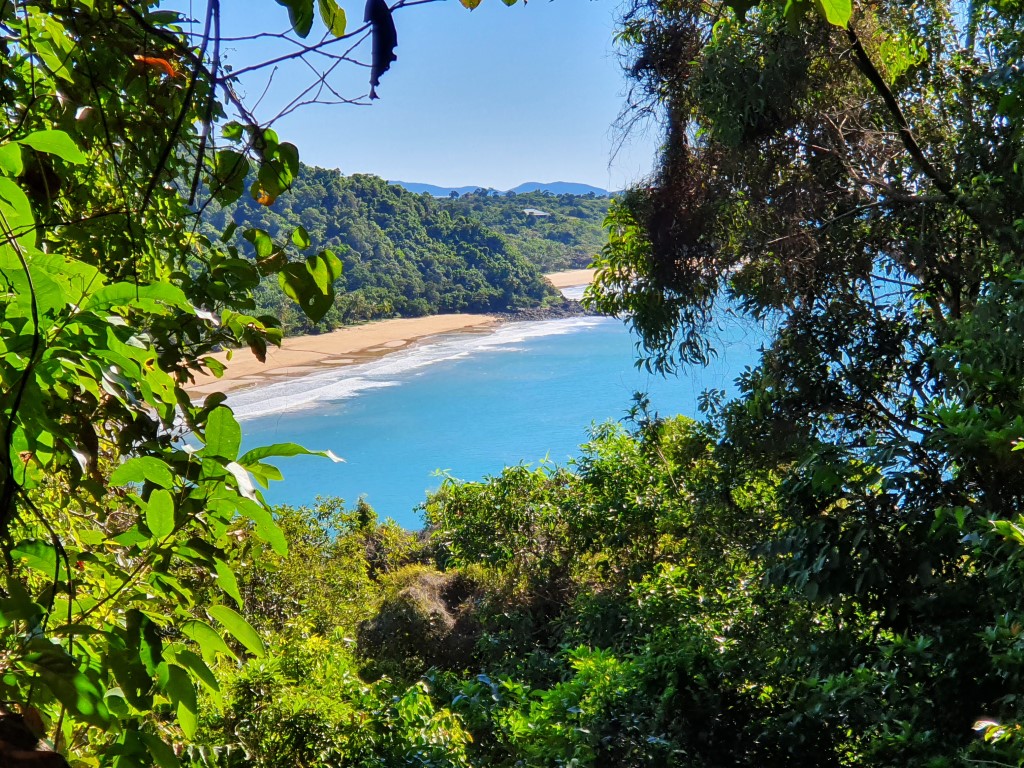
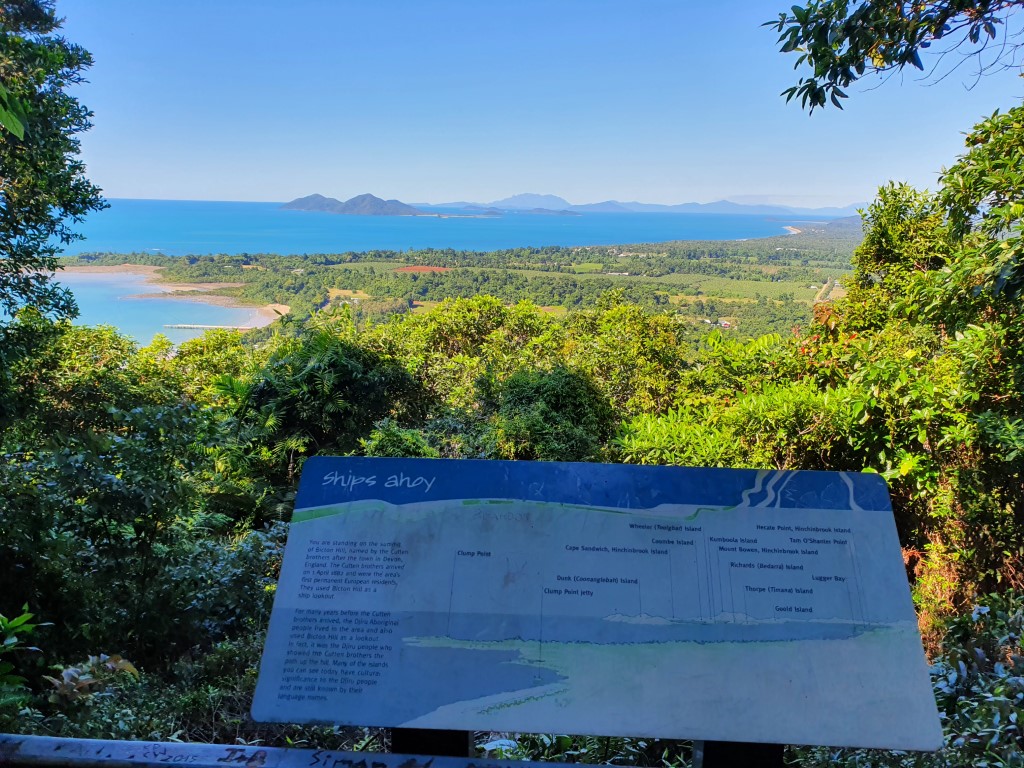
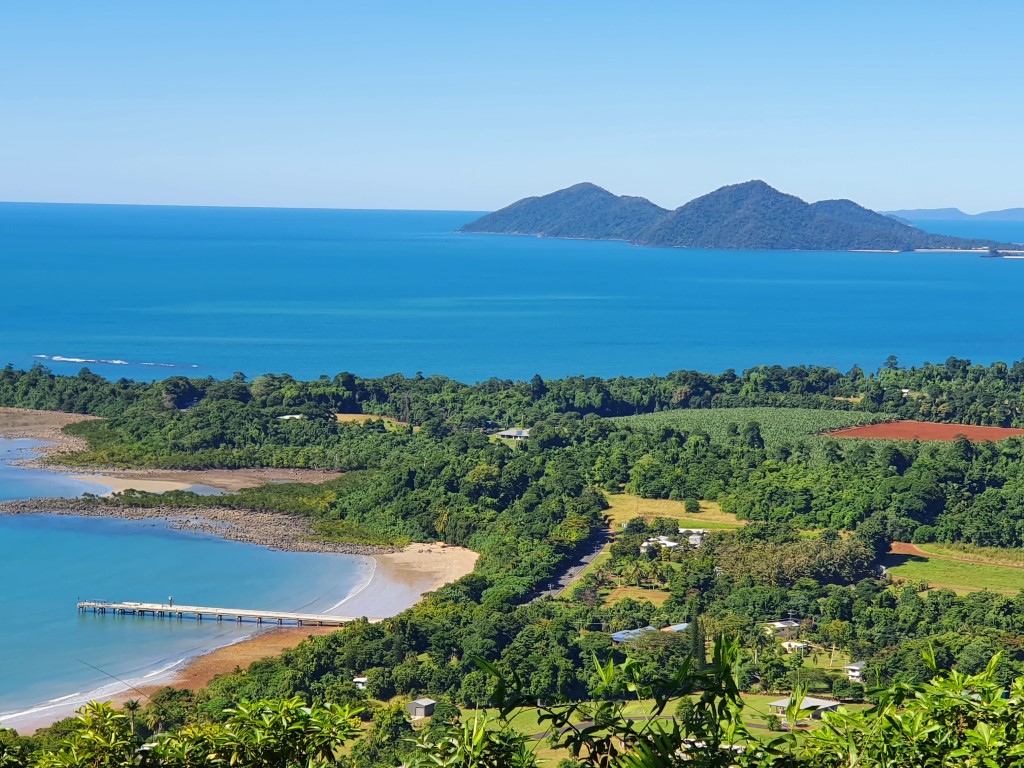
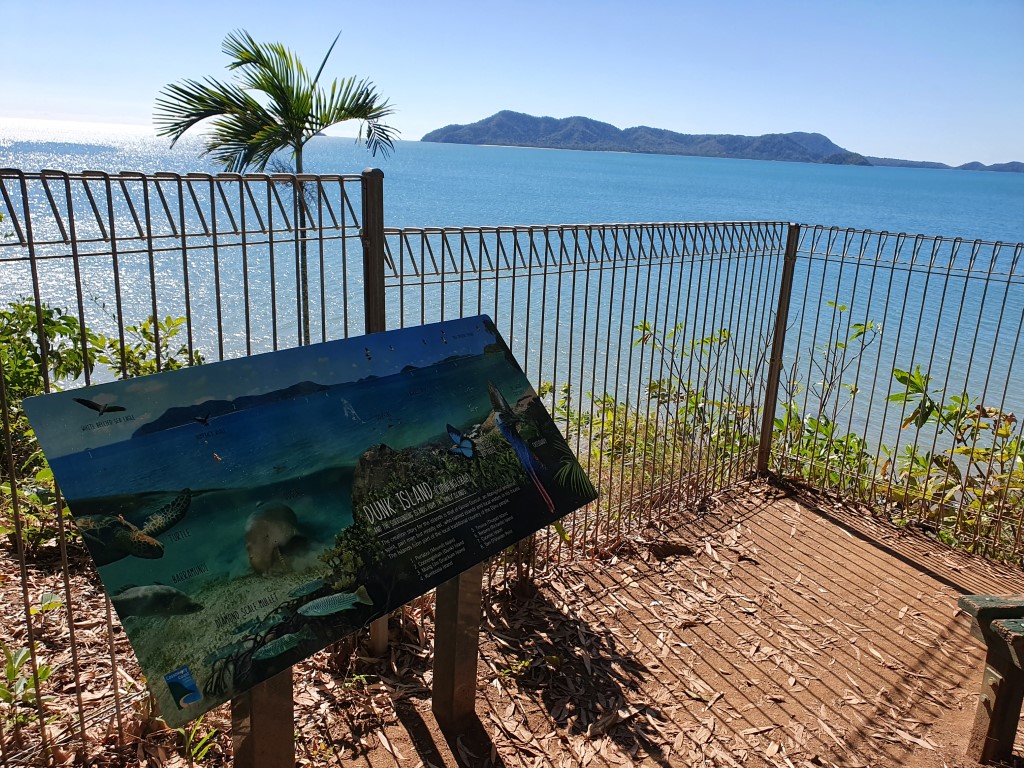
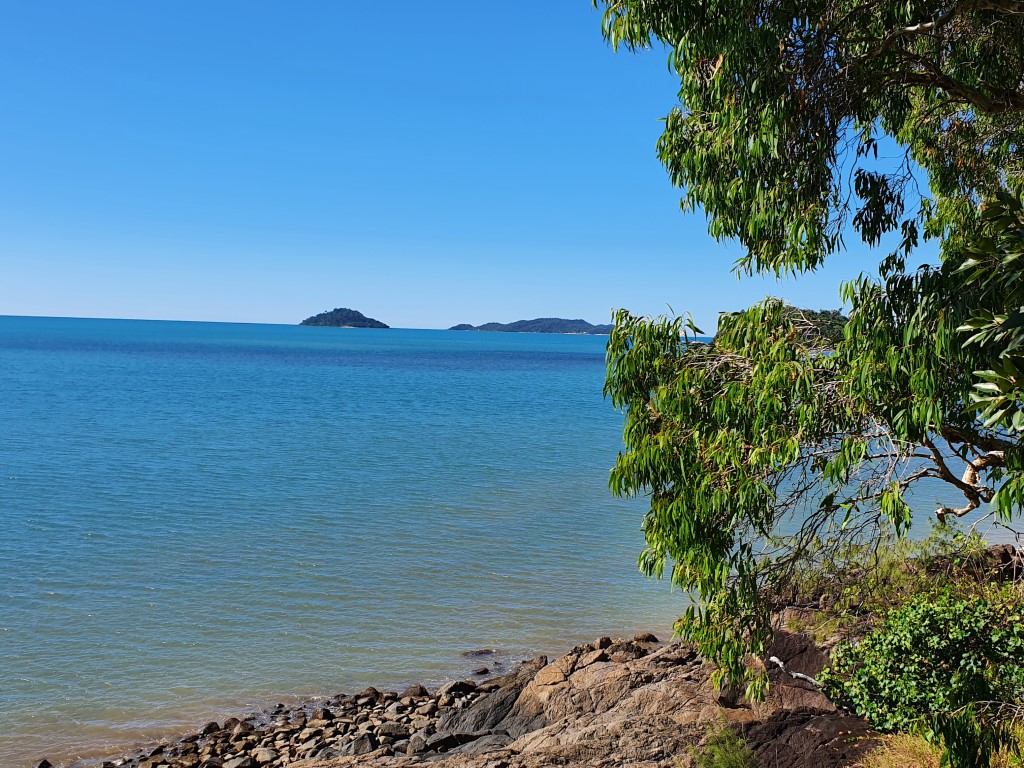
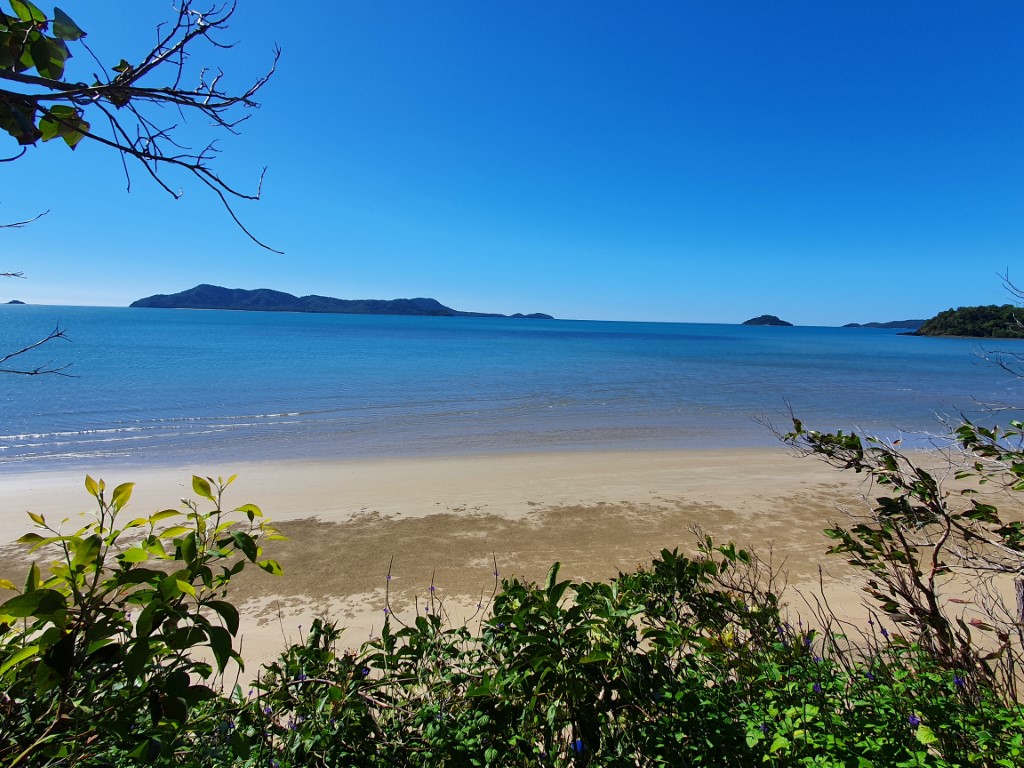
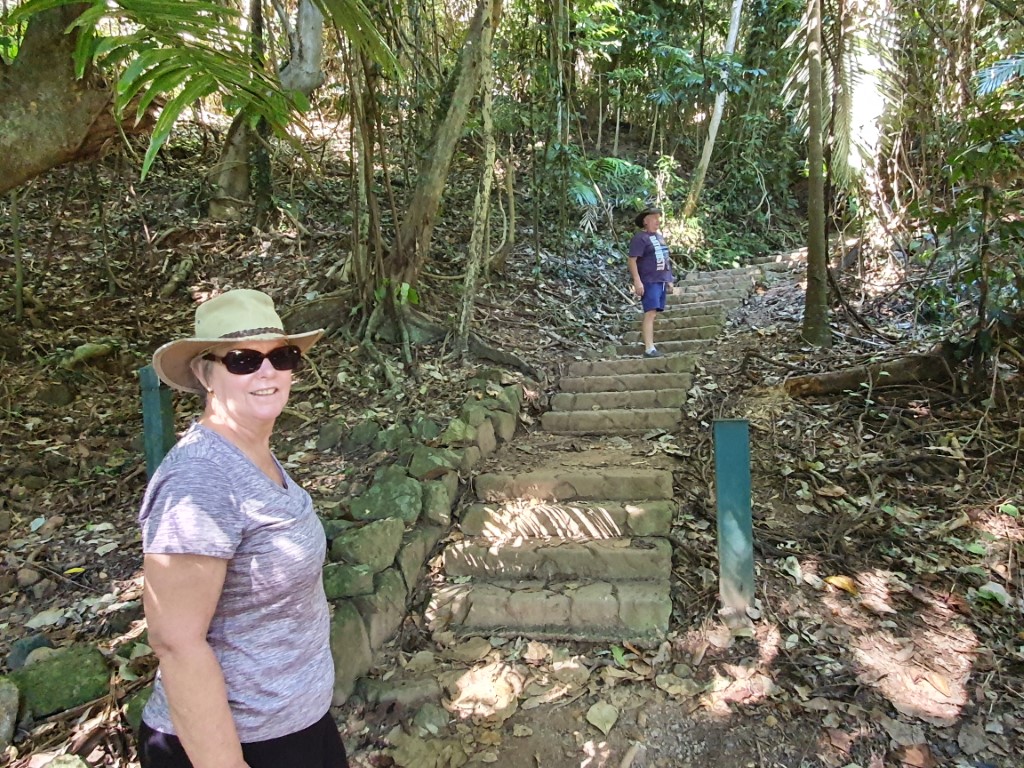
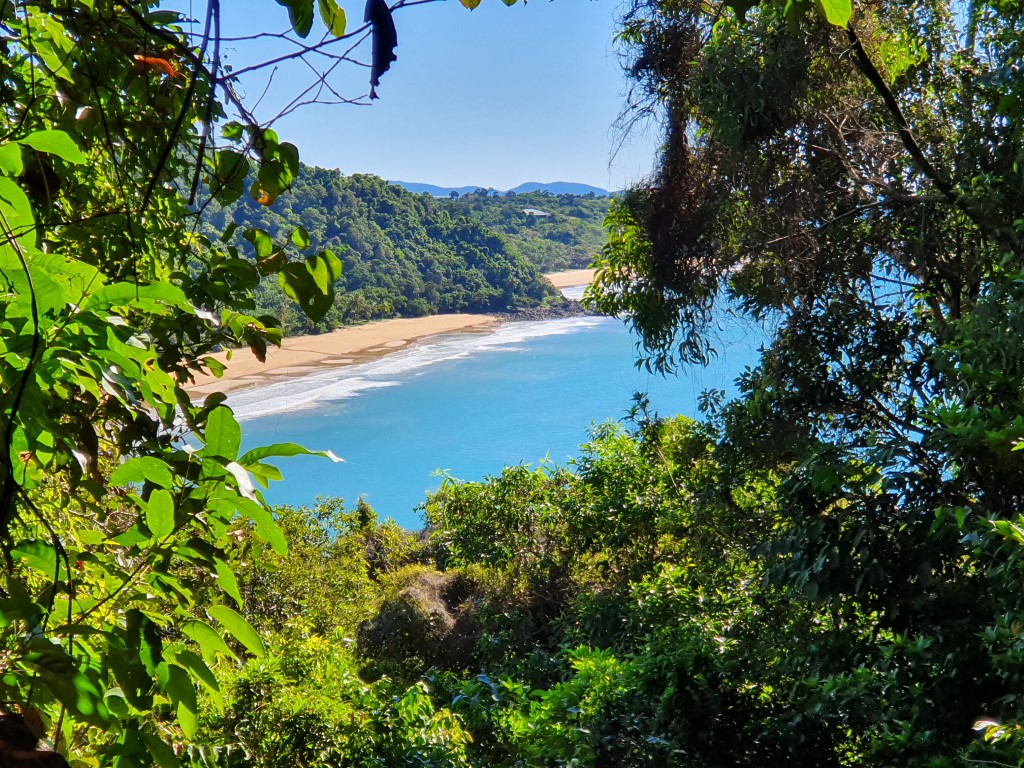
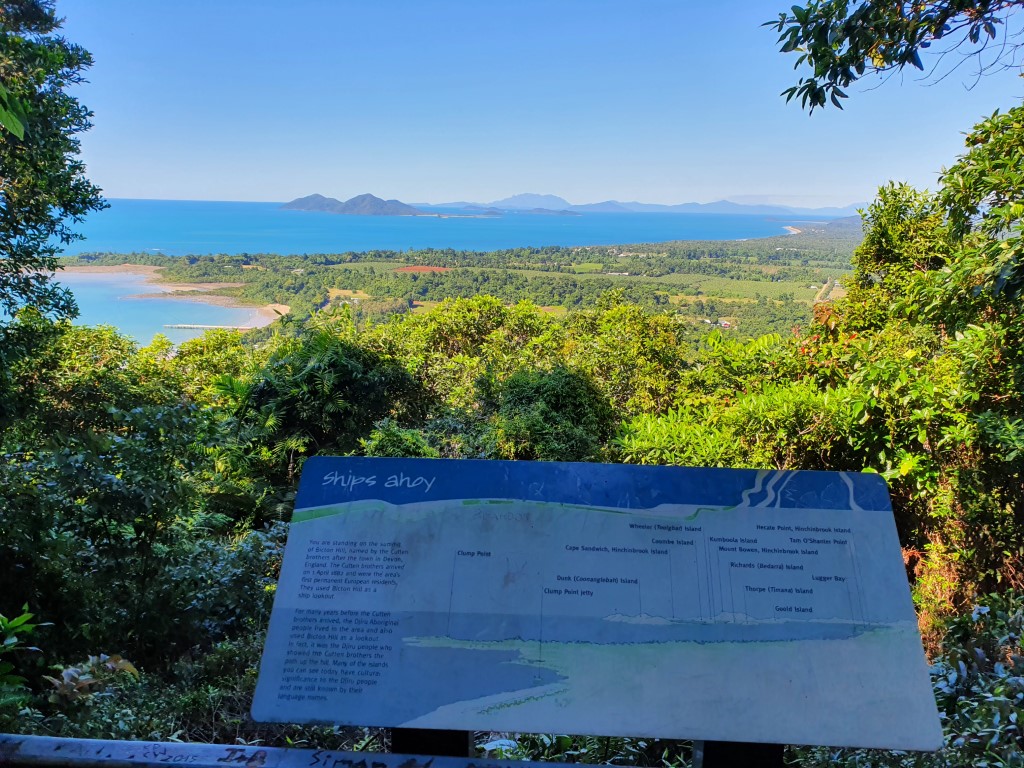
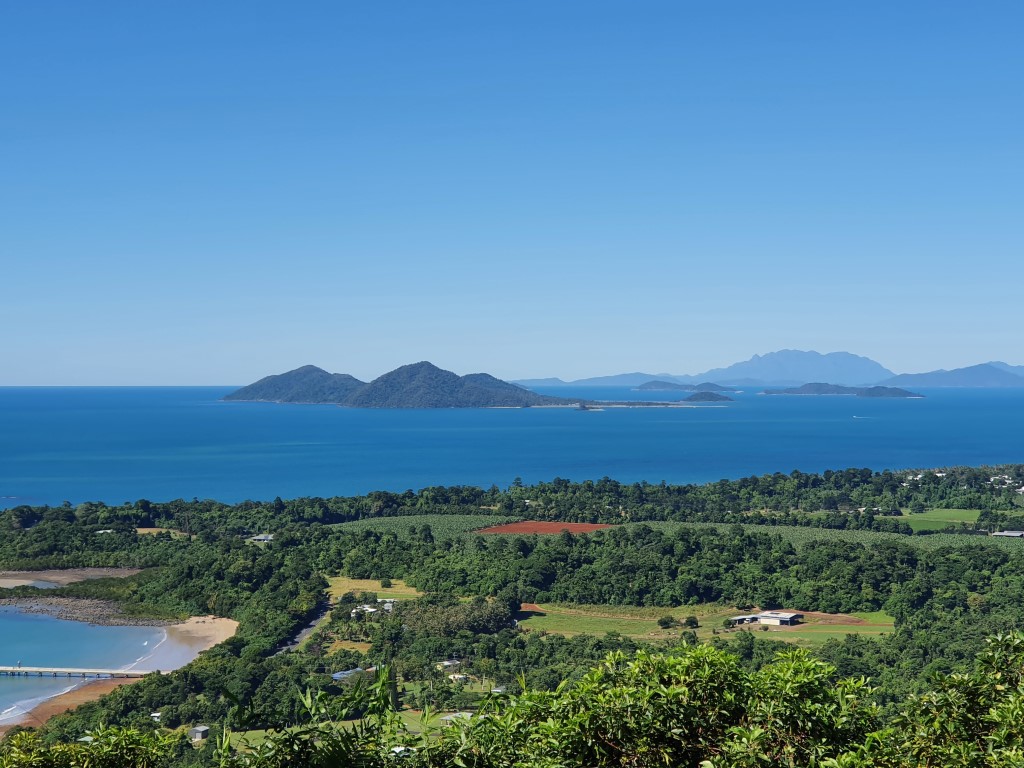
From Balgal Beach we headed north on the Bruce Highway to our 4 night stop over at South Mission Beach staying at the Big 4 Beachcomber caravan park. This was a great spot to relax, swim, snorkel, view the beautiful islands of the Great Barrier Reef including Dunk Island just a 10 minute boat ride away and generally chill out. We had coffee and snacks at a cool little café at Bingil Bay one day and went for a couple of walks to Lugger Point along the boardwalk and through the bush on another day and the next day, a long and strenuous trek to the top of Bicton Hill. Great views from up there looking out to the cane farms and the islands.
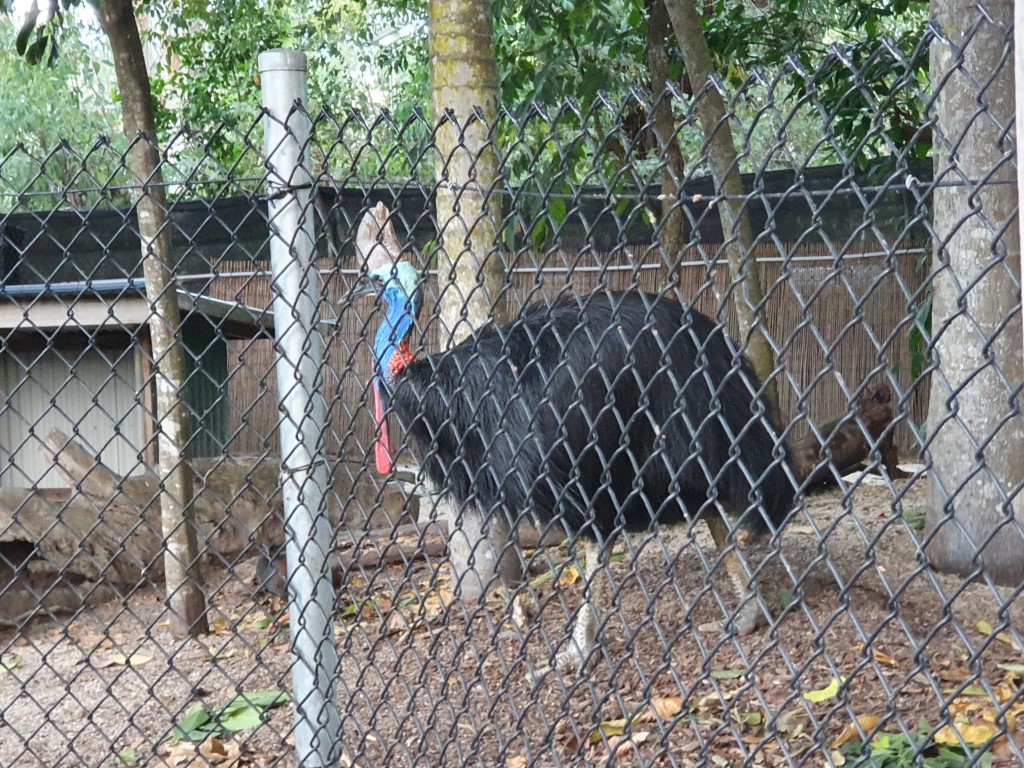
The Cassowary Coast is well named as we encountered a large cassowary crossing the road just as we drove into South Mission Beach. Great caravan park right on the water with the resident cassowary strolling through the park late each afternoon around wine o’clock.
Day 14, 15, 16, 27th – 30th July
Caught up with an old school friend of Colleens from Toowoomba who has been living in North Queensland for over 30 years. They now manage the Island Coast motor vehicle dealership, originally Holden but now selling Holdens, Ford and Mitsubishi. Gail and Brian picked us up from the caravan park and took us to the North Mission Beach tavern for dinner. It was good to catch up as the previous time we saw them was at Coolangatta over 12 months earlier and prior to that was over 20 years ago!
Day 17, July 30 Paronella Park
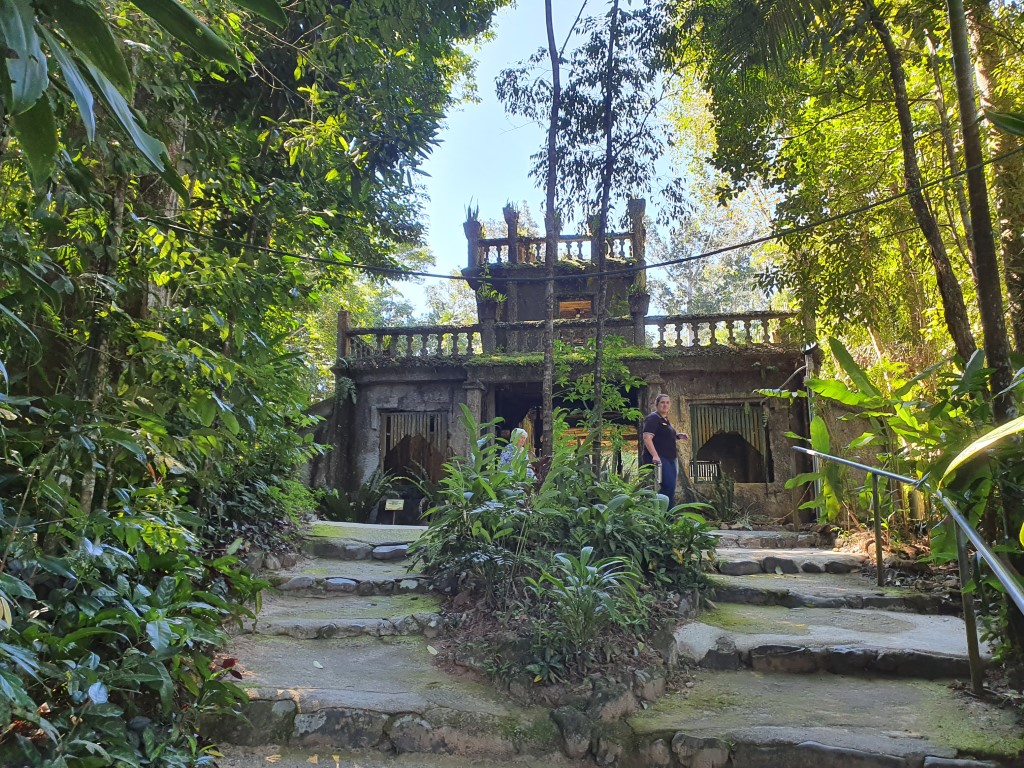
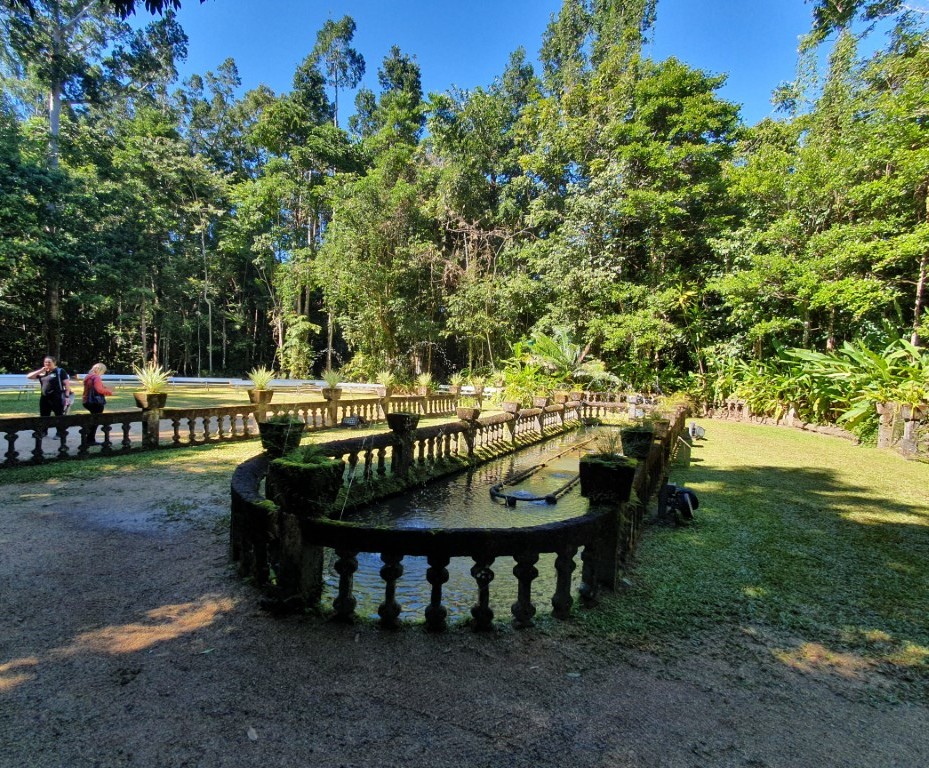
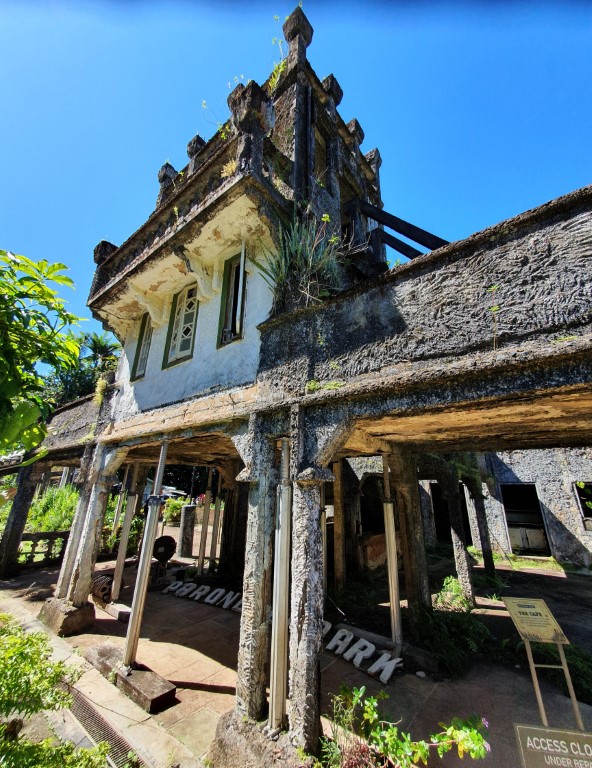
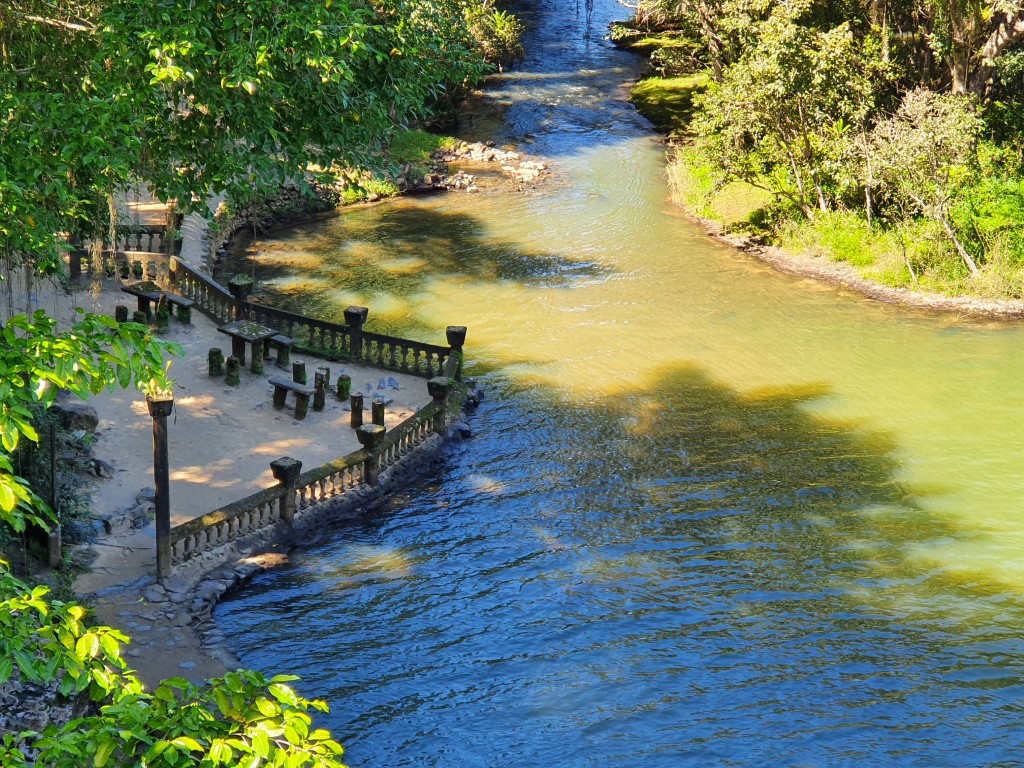
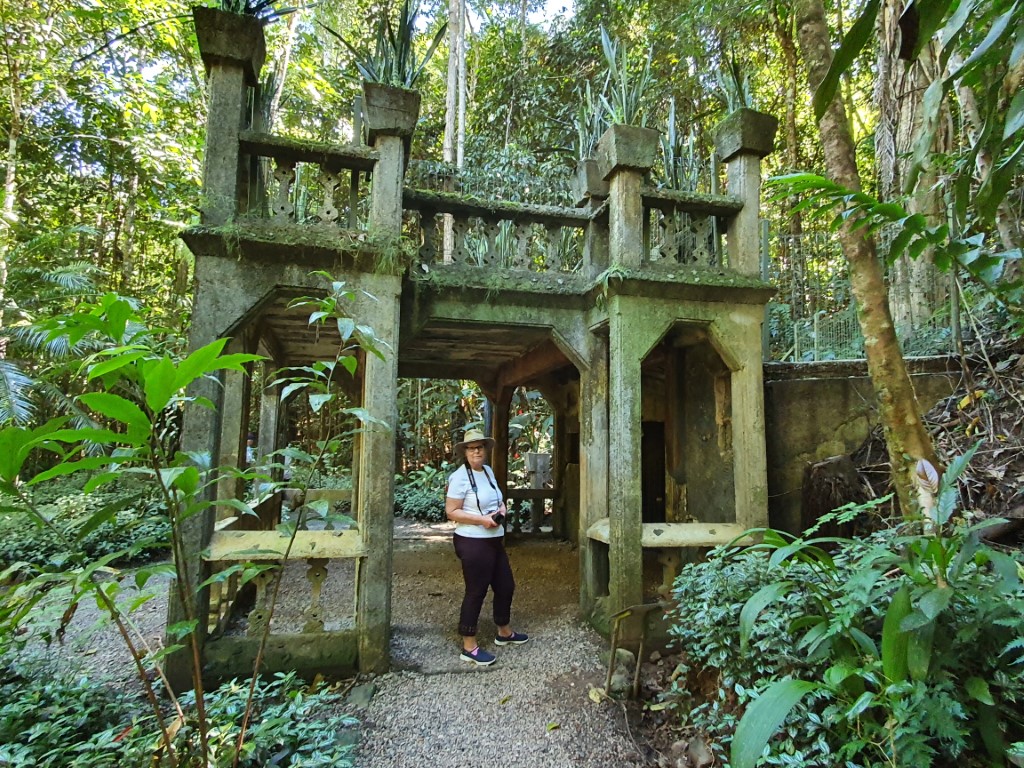
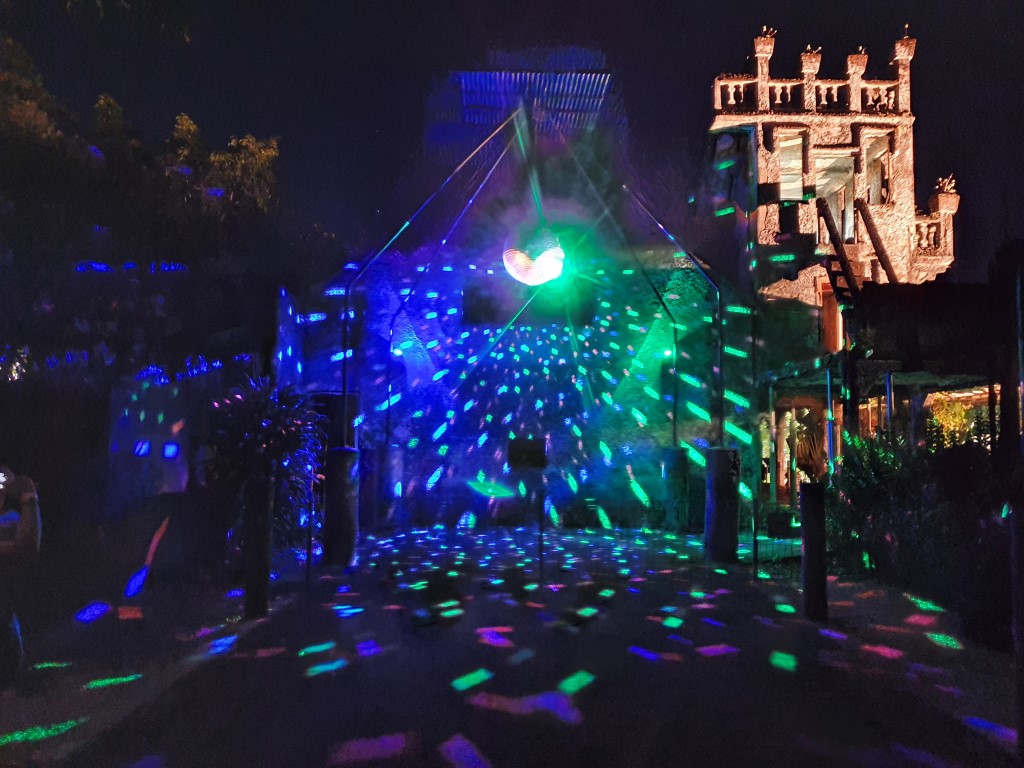
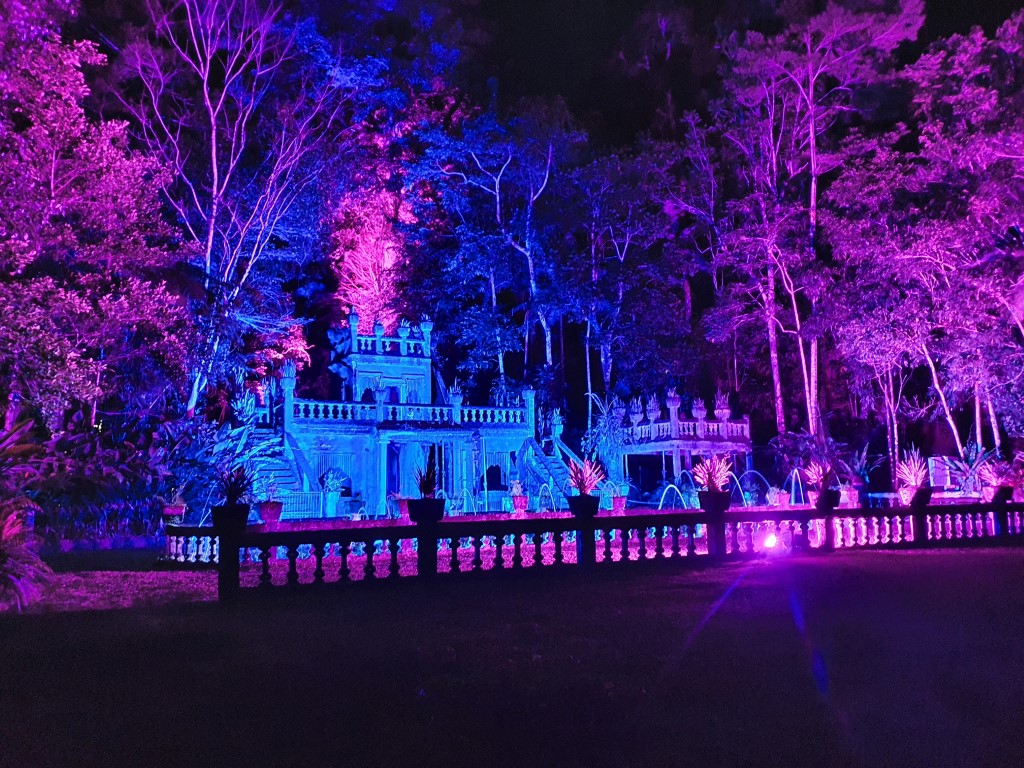
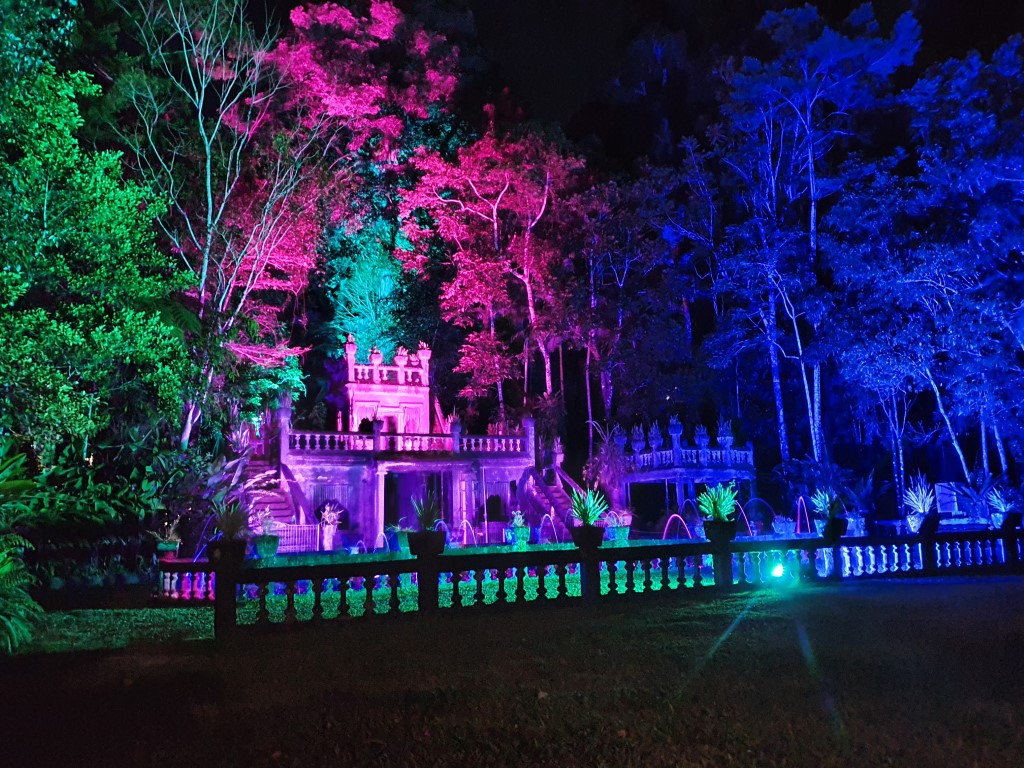
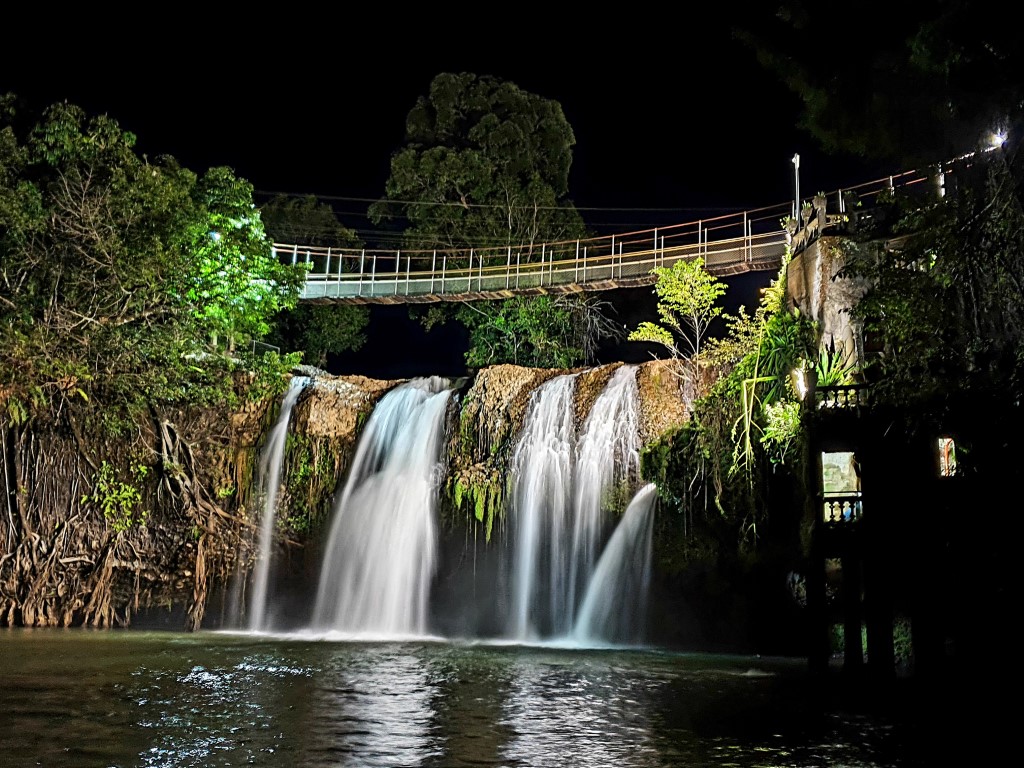
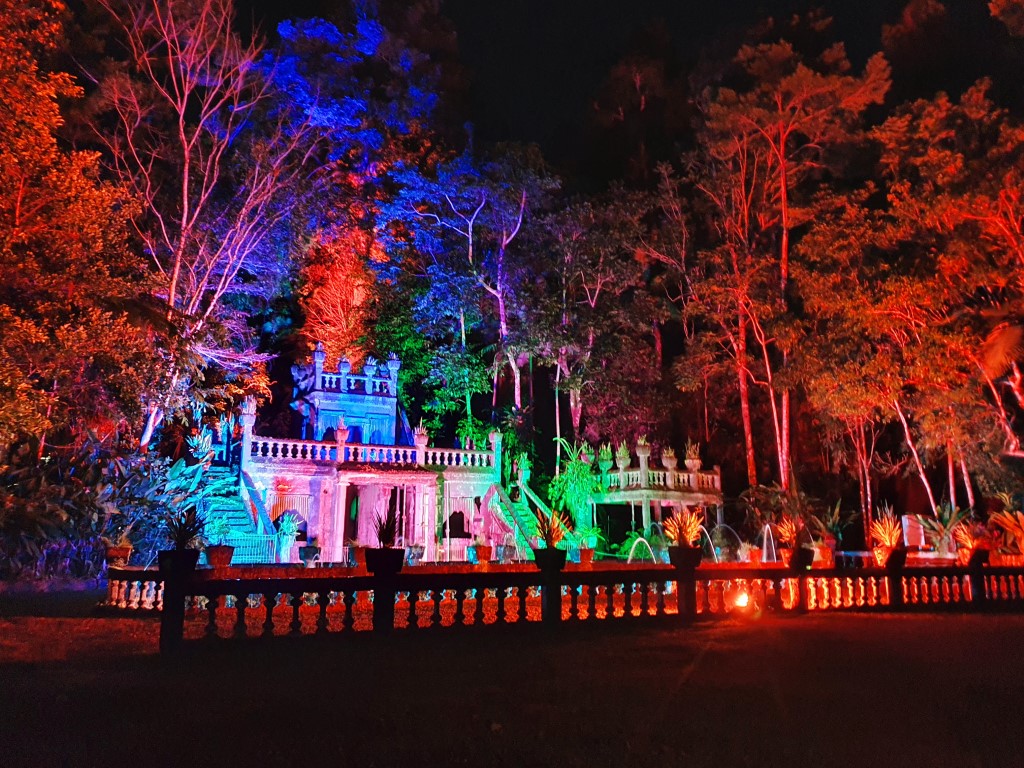
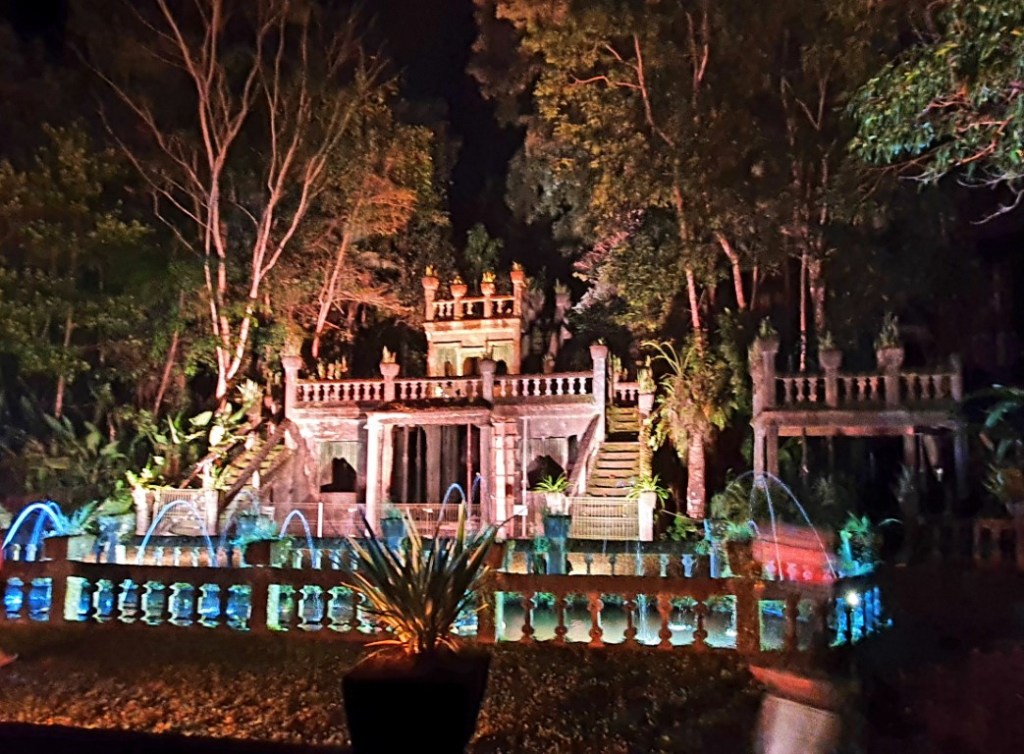
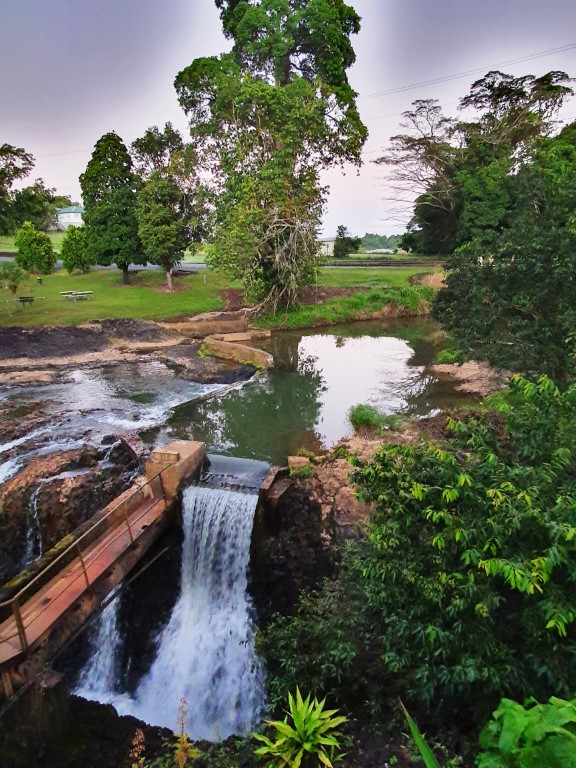
Left Jill and Ian at South Mission beach and we headed to Paronella Park near Innisfail. We visited this amazing place back in 1983 and in the late 1990’s the whole complex was bought by a local family and ‘restored’ to it’s glory days from the 1930’s and 40’s. The castle and everything at the location was built by one man, Jose Paronella and it opened to the public in 1935 as an up market venue for weddings, celebrations, a restaurant and general tourist destination etc. They now have day and night tours and free parking for your caravan van if you purchase a ticket to go through the park. We did the day and night tour and stayed overnight in the van. What a remarkable place and a great testament to the Spanish emigrant who made his fortune in mining around Cloncurry and later on buying and selling cane farms around the Johnstone River, Innisfail area to pay for the building of this remarkable place.
Day 18, July 31 Port Douglas
More northwards driving towards Cairns and todays’ destination; Port Douglas.
Colleen and I arrived just ahead of Ian and Jill as they left South Mission Beach this morning whereas we left from Paronella Park.
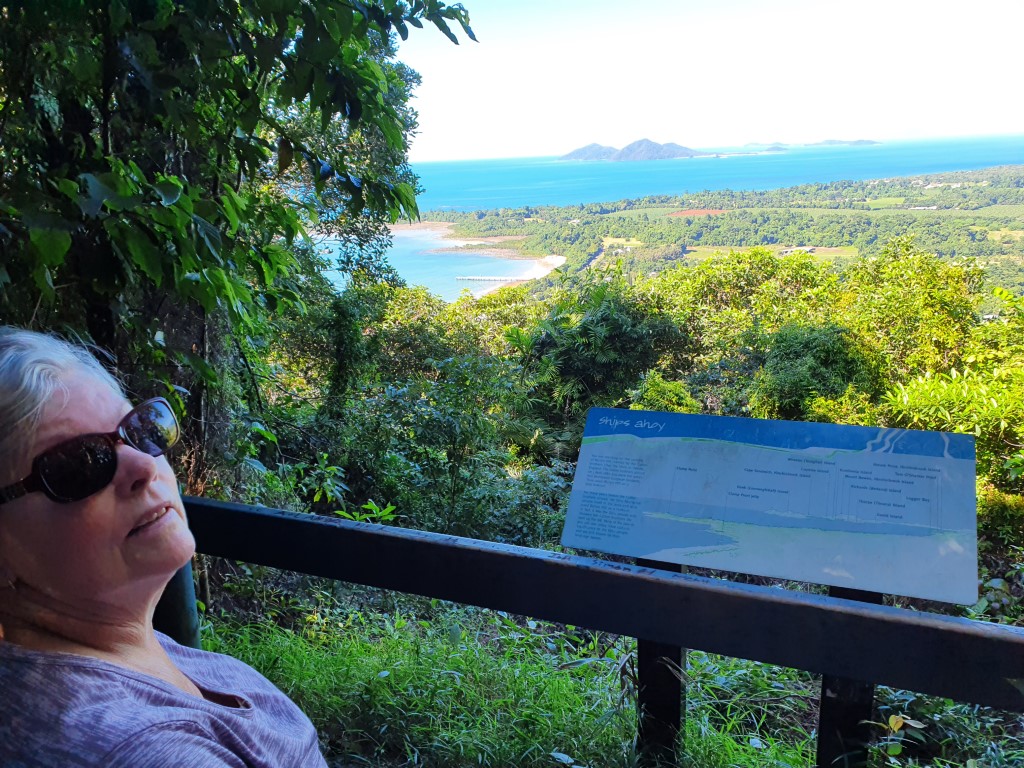
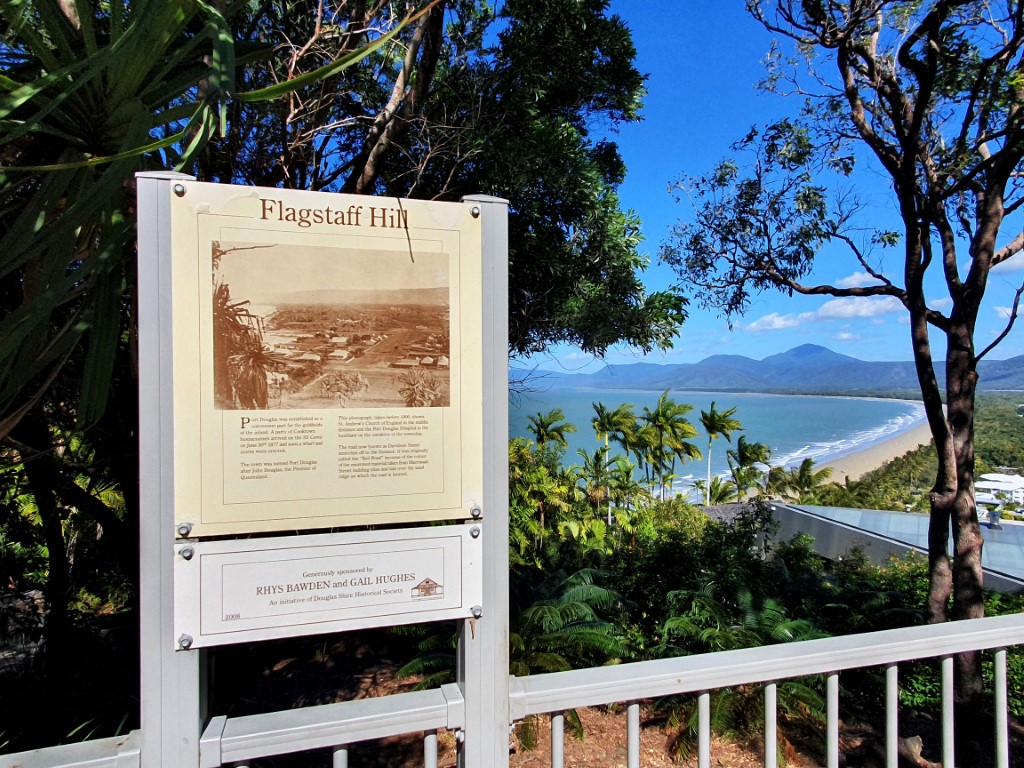
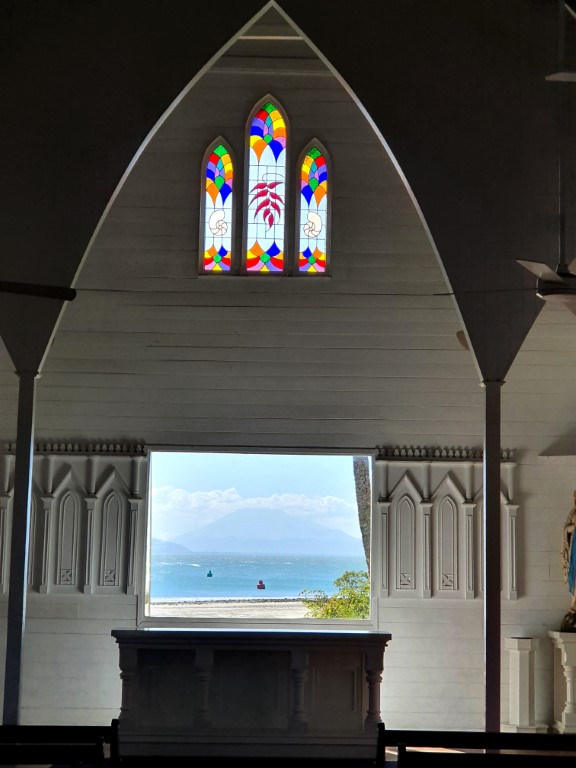
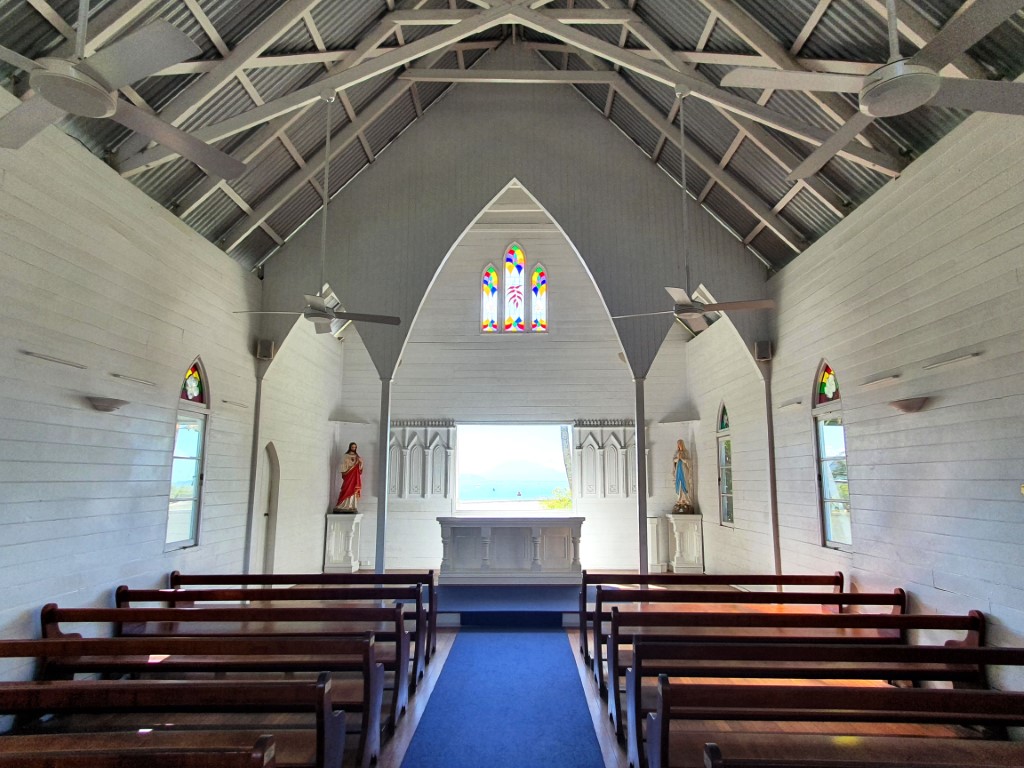
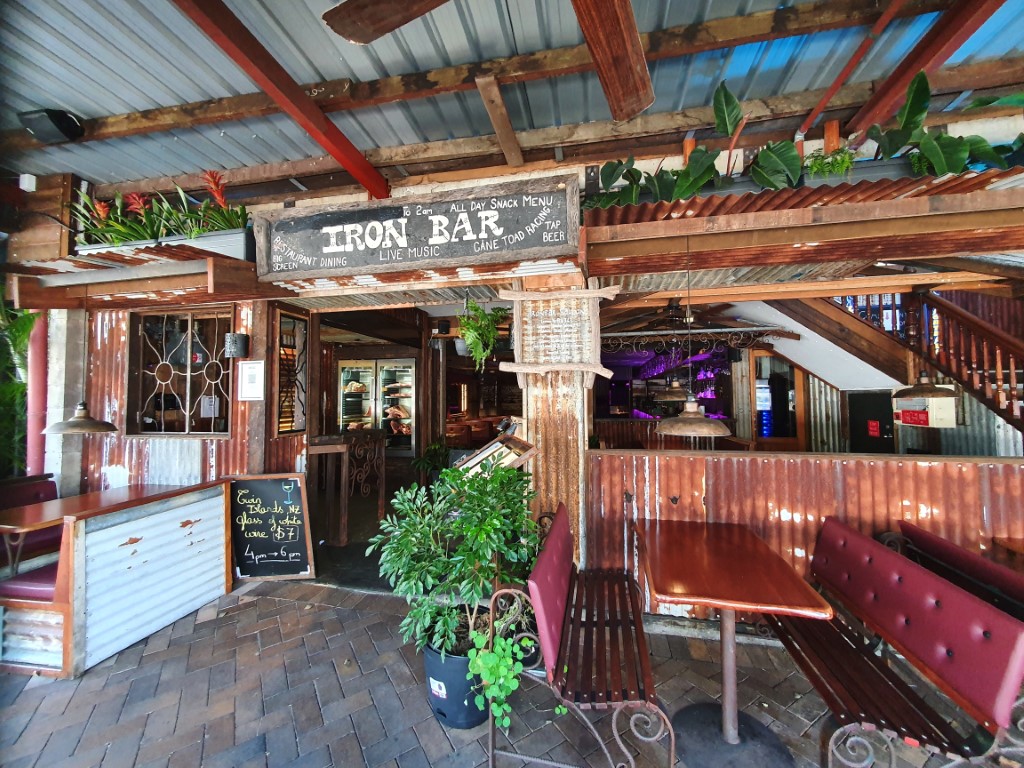
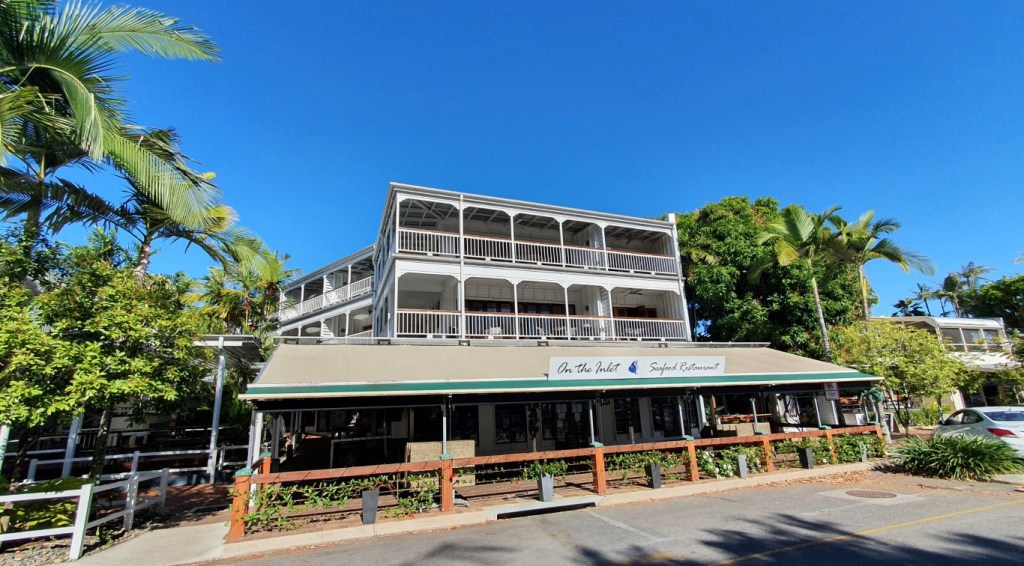
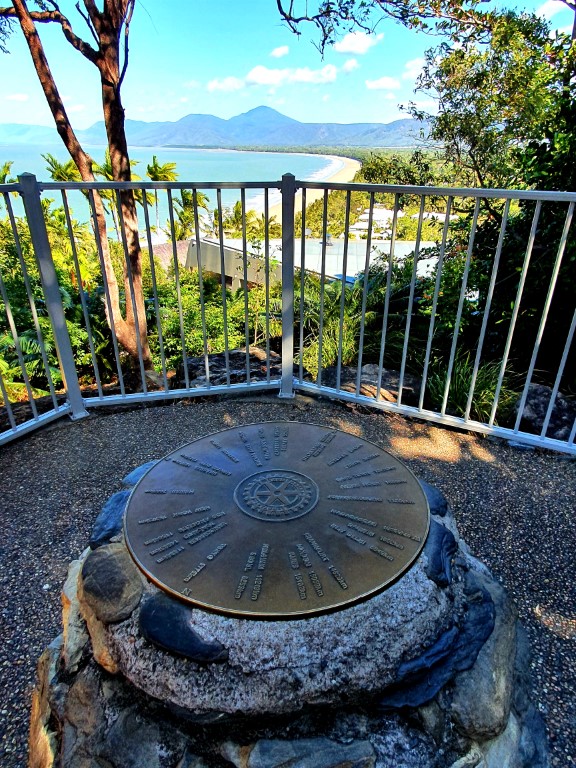
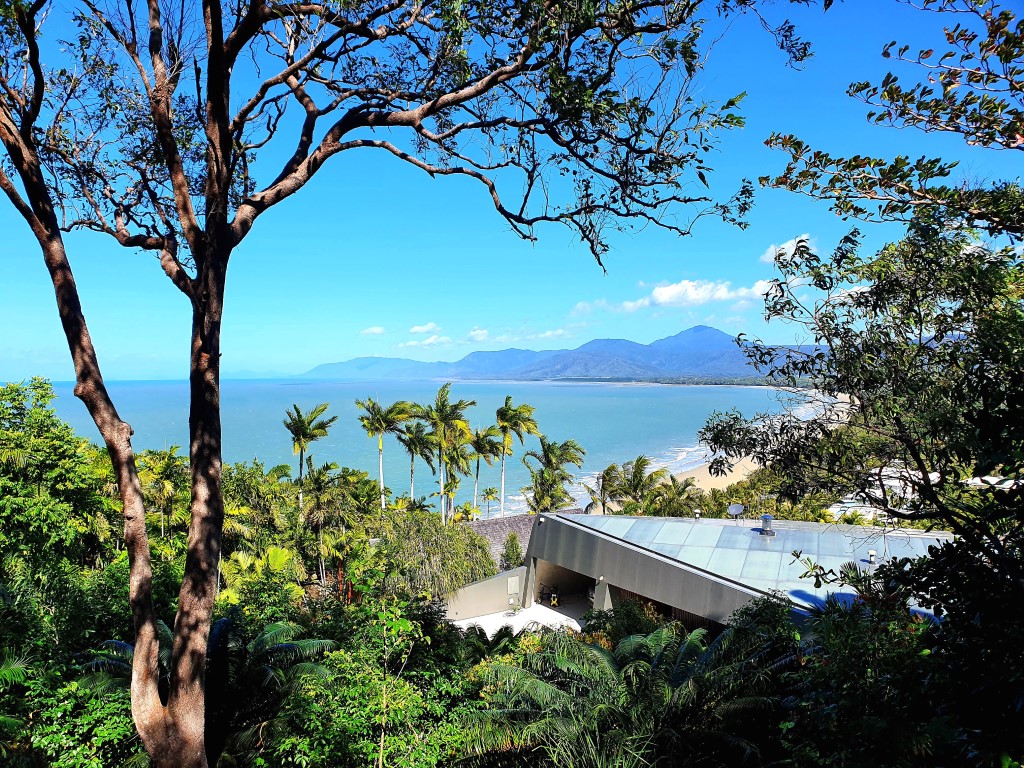
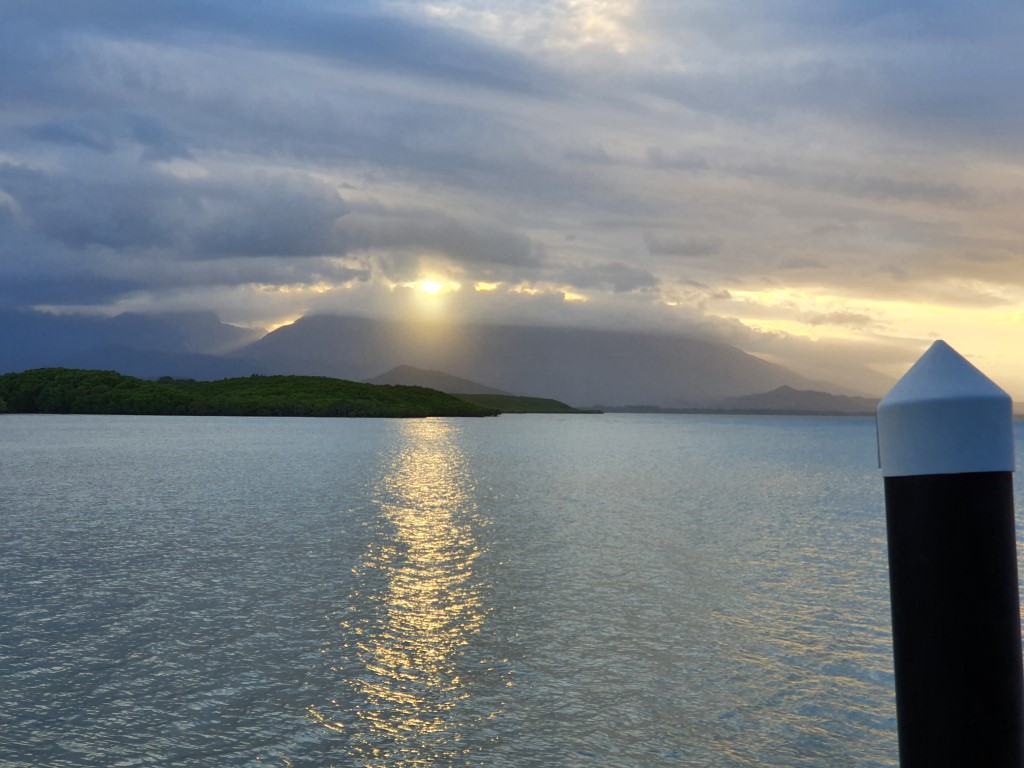
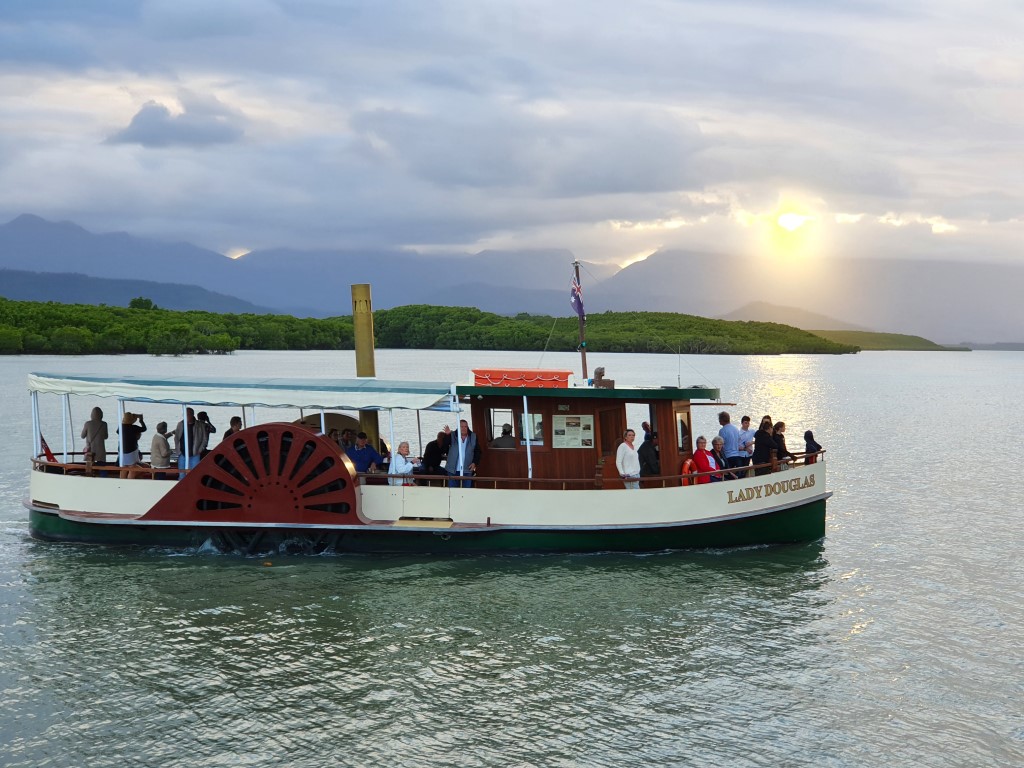
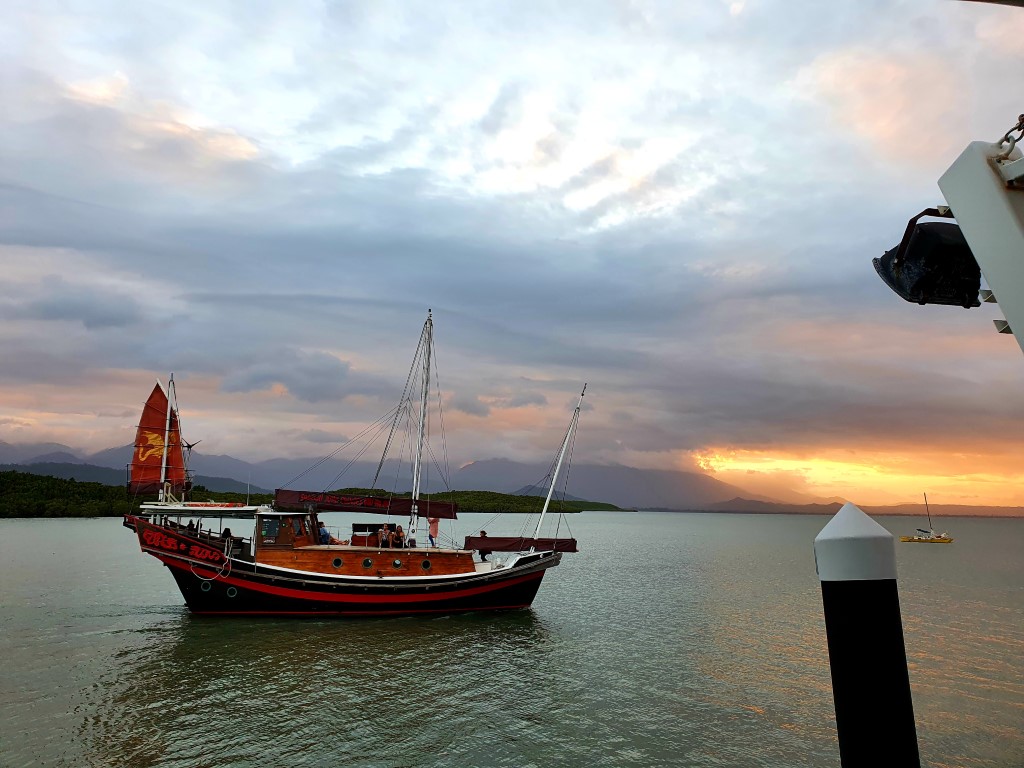
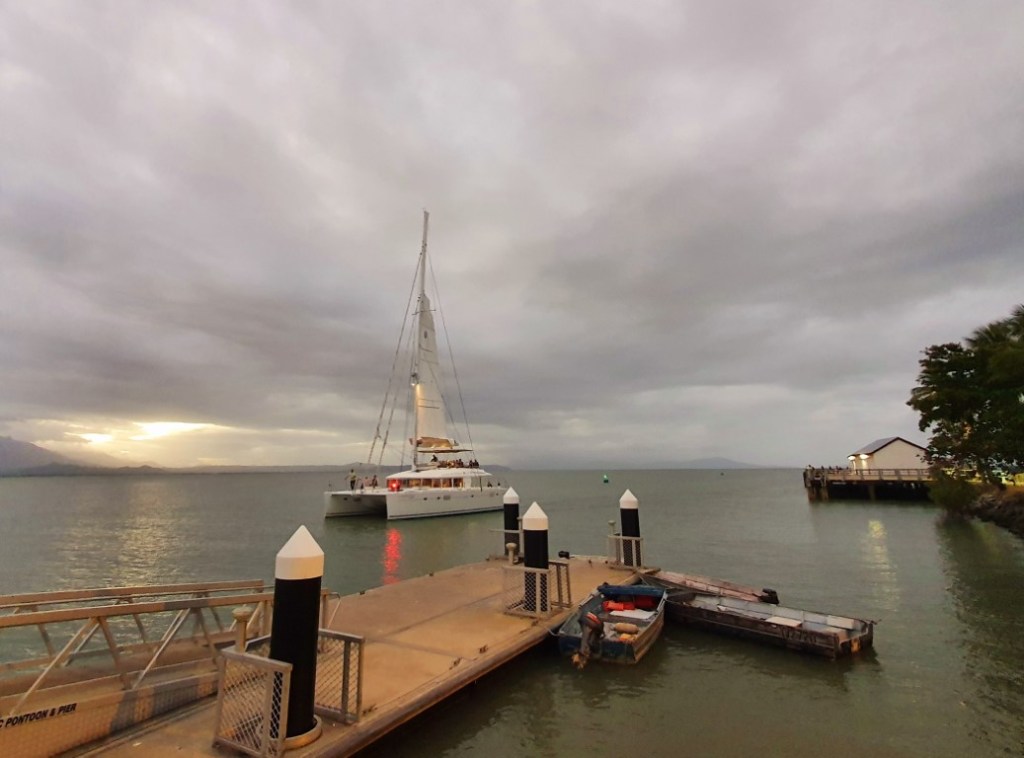
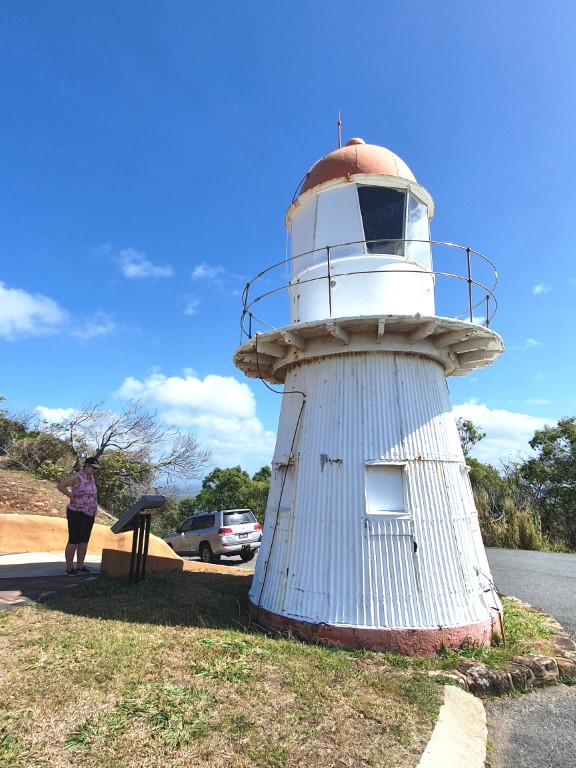
After setting up our van sites we drove up to Flagstaff Hill, the highest point around Port Douglas town, to admire the view down to the beach. We then drove down Wharf Road to the water and walked around the park, went in and took photos at St Marys on the Sea church and Port Douglas town. The town was very quiet compared to previous time we’ve visited. This was mainly due to Covid-19 and the border restrictions/closures. After checking out the wharf we had drinks at the Tin Shed, a great venue we’ve been to back in 2003, albeit much updated. We decided to also book a table for four for the next evening for dinner on the deck.
Day 19, August 1st Port Douglas/Mossman
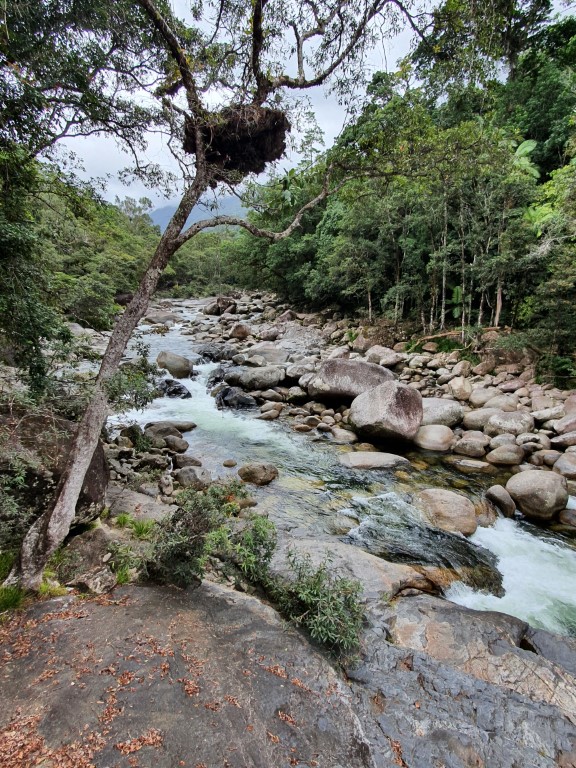
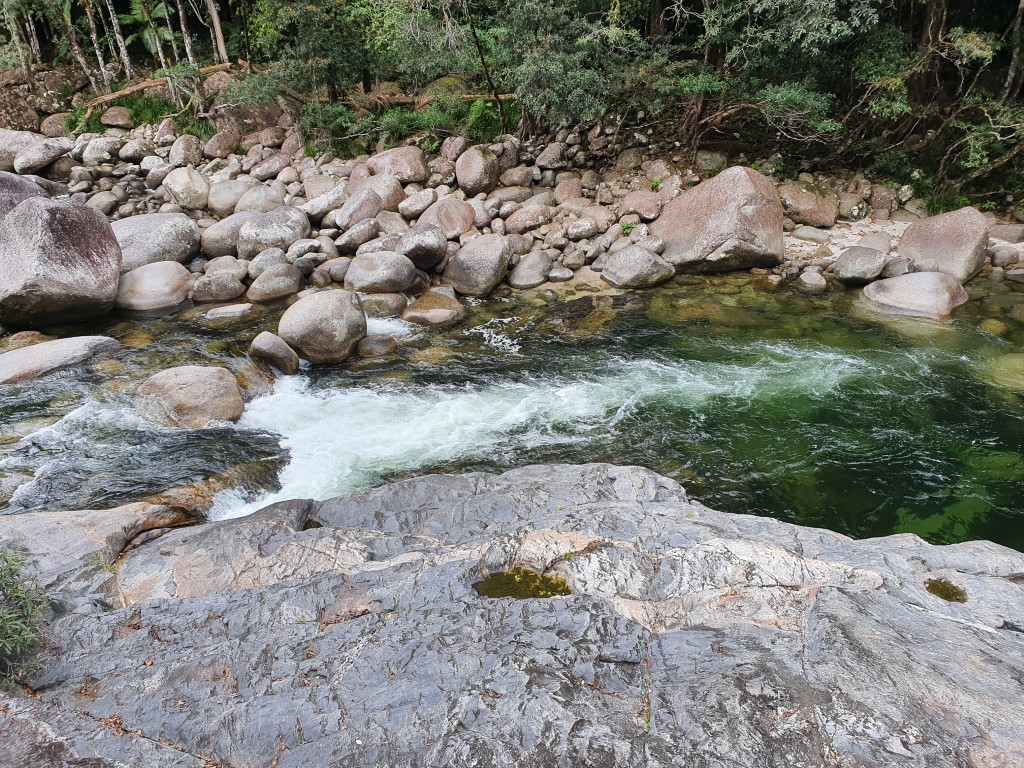
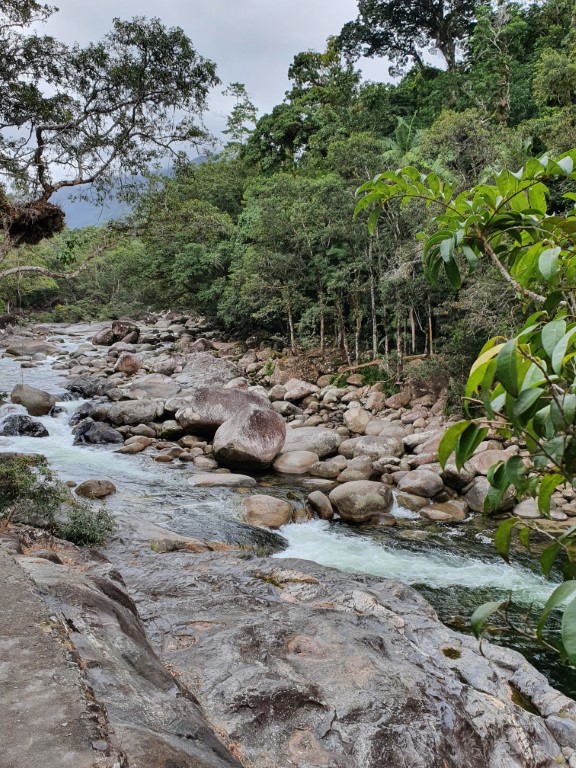
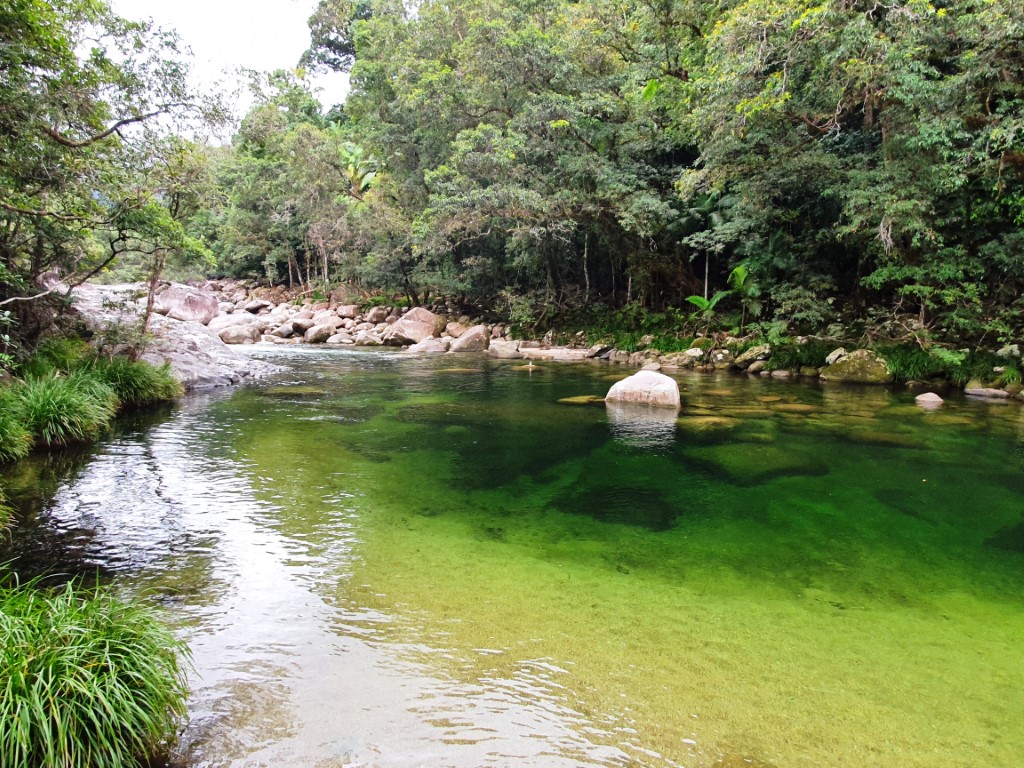
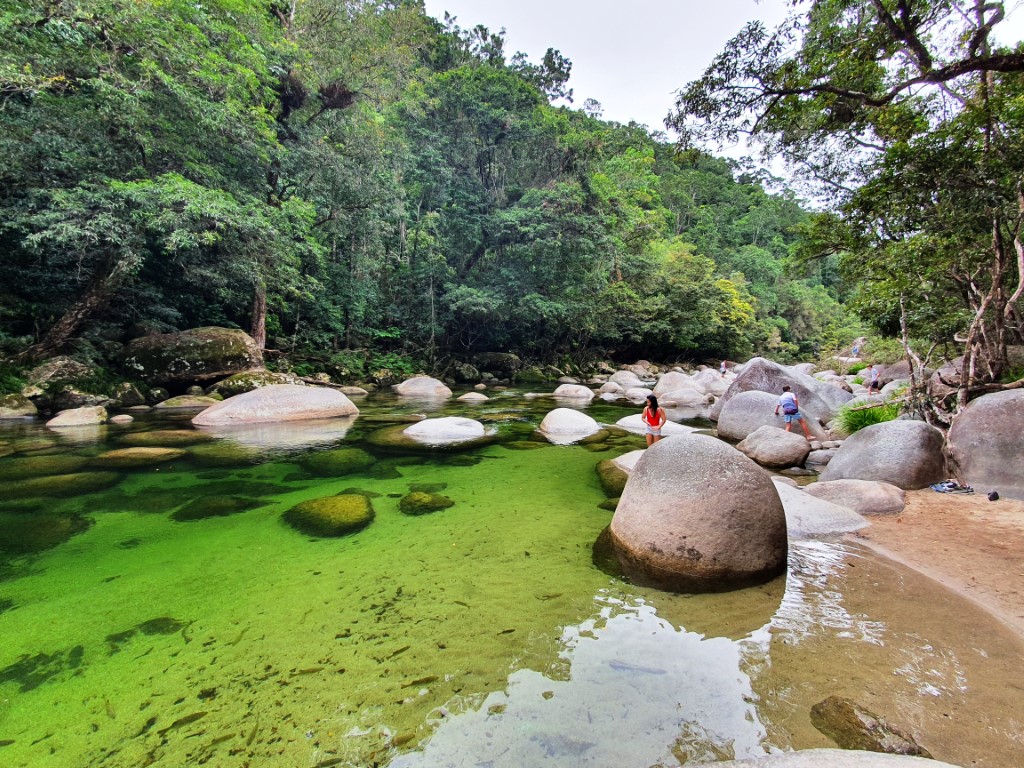
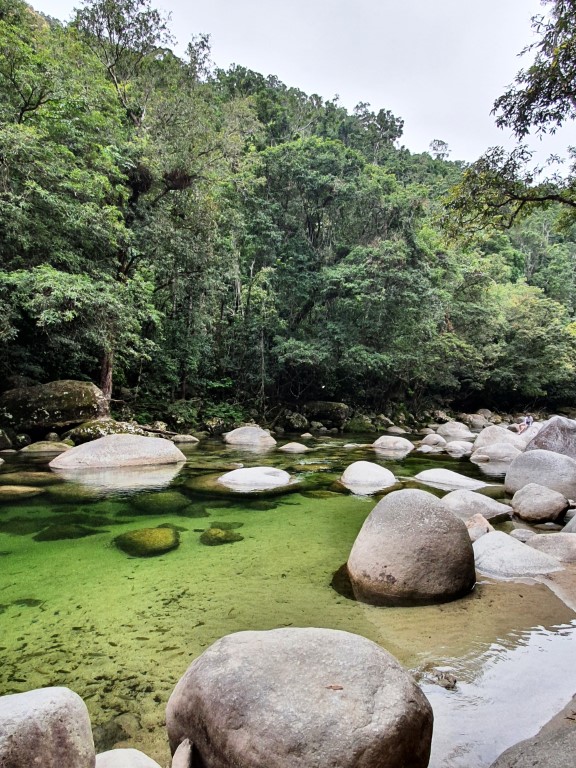
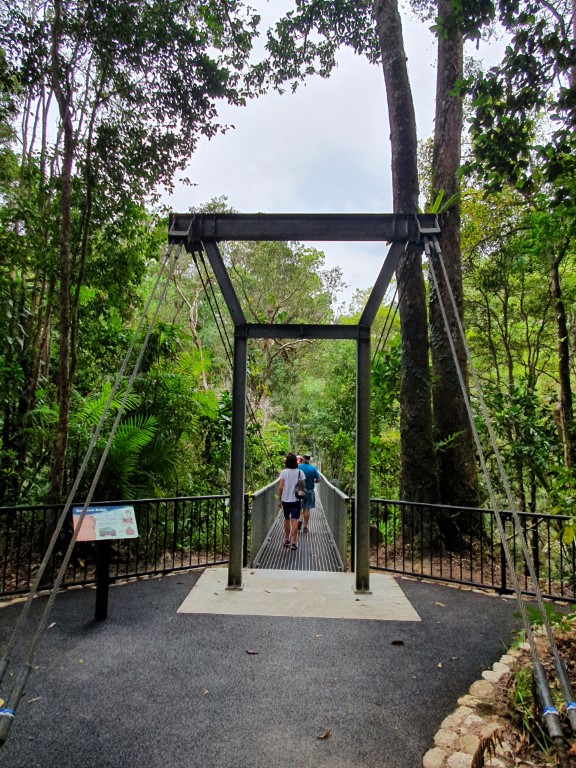
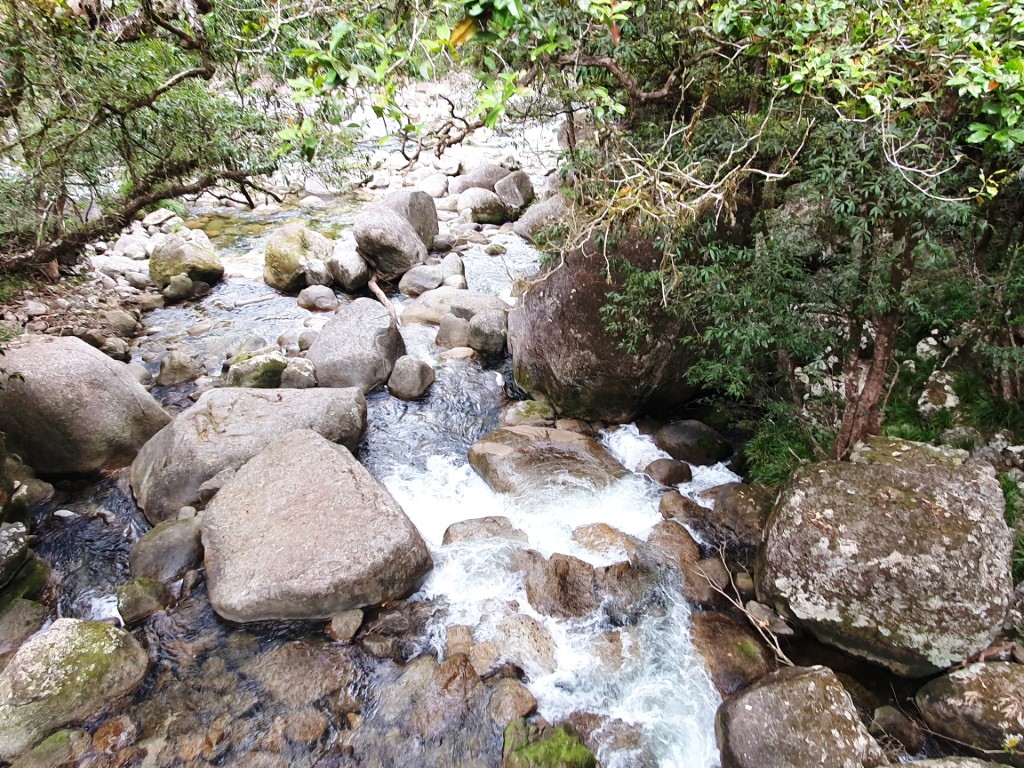
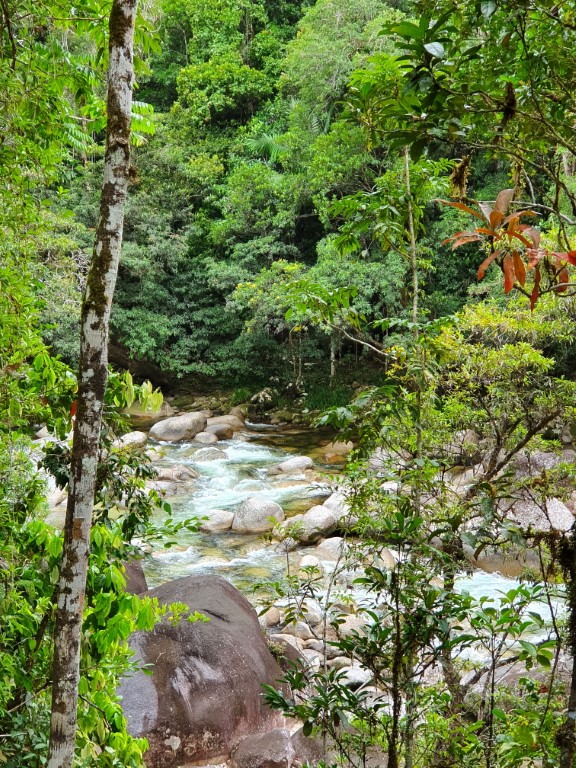
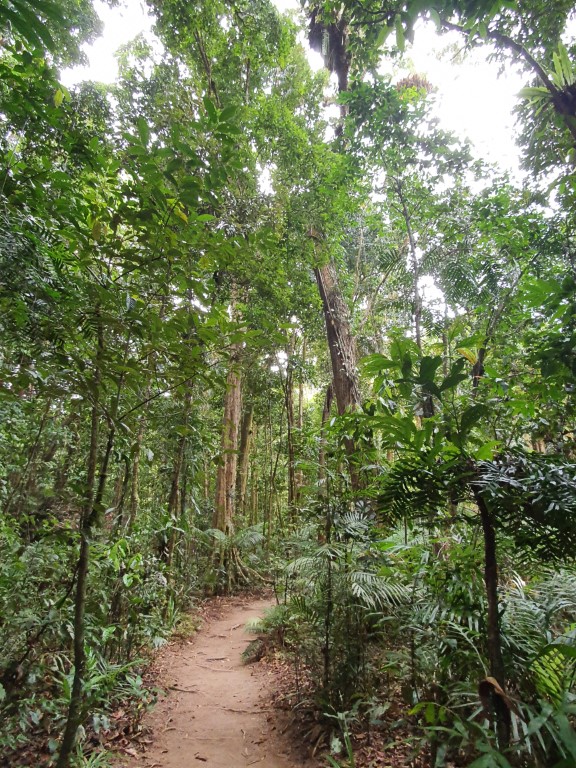
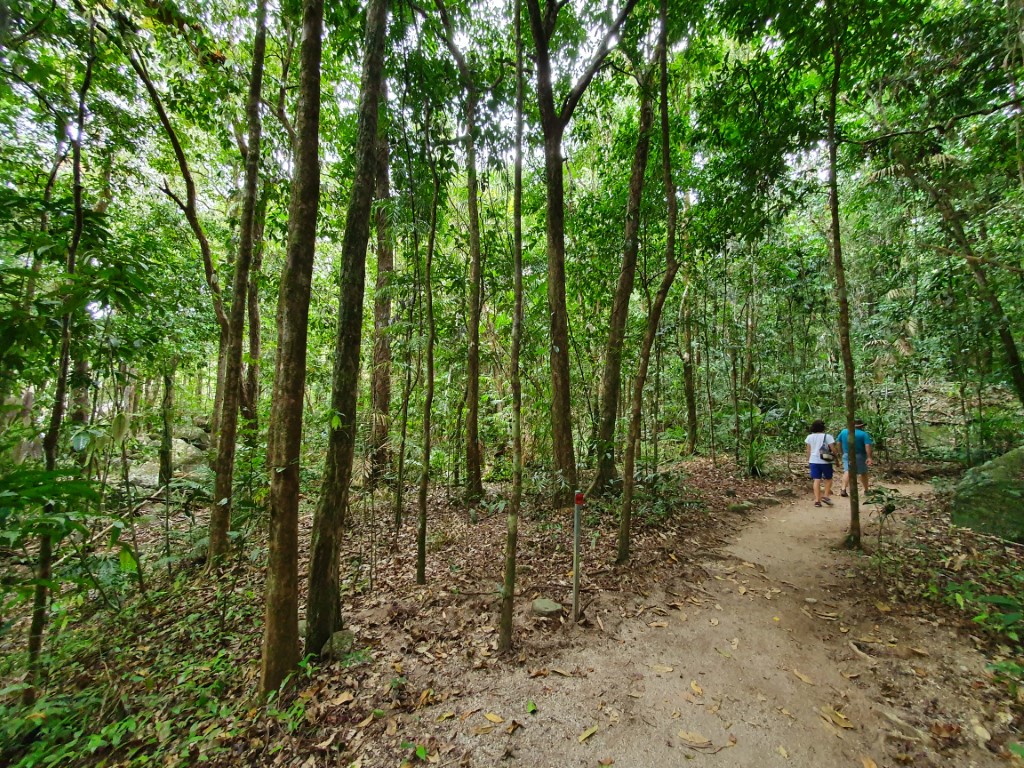
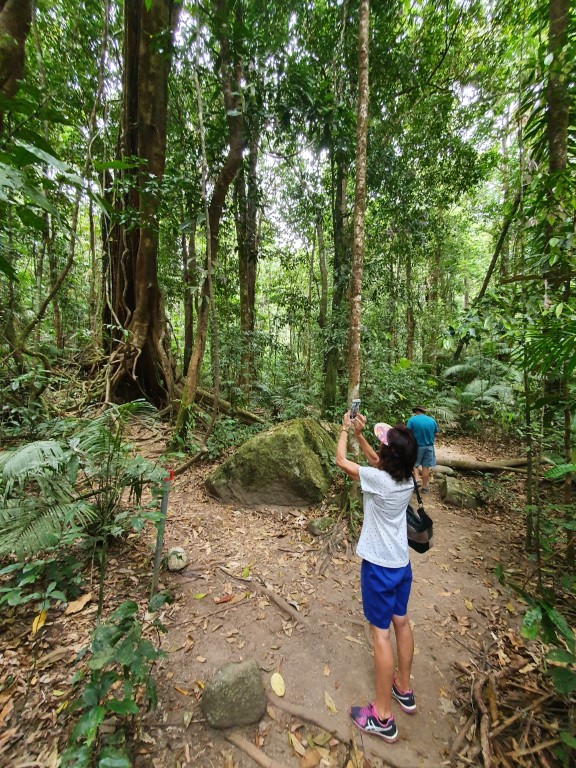
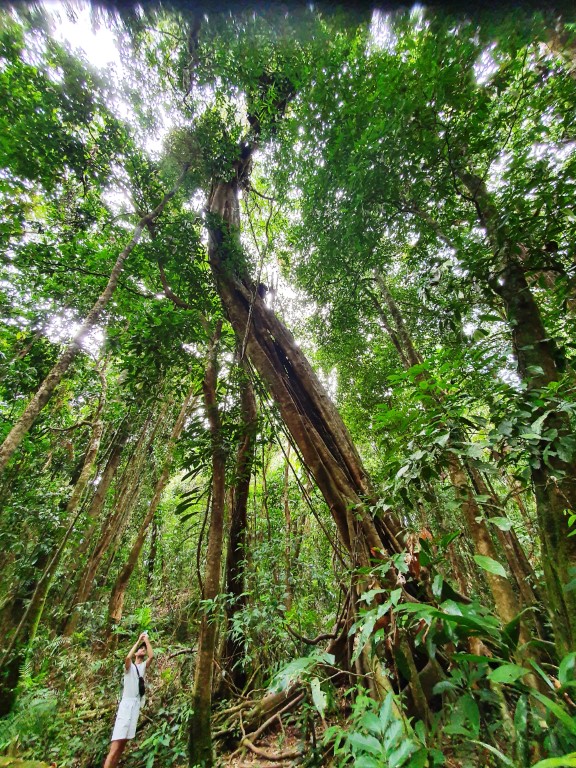
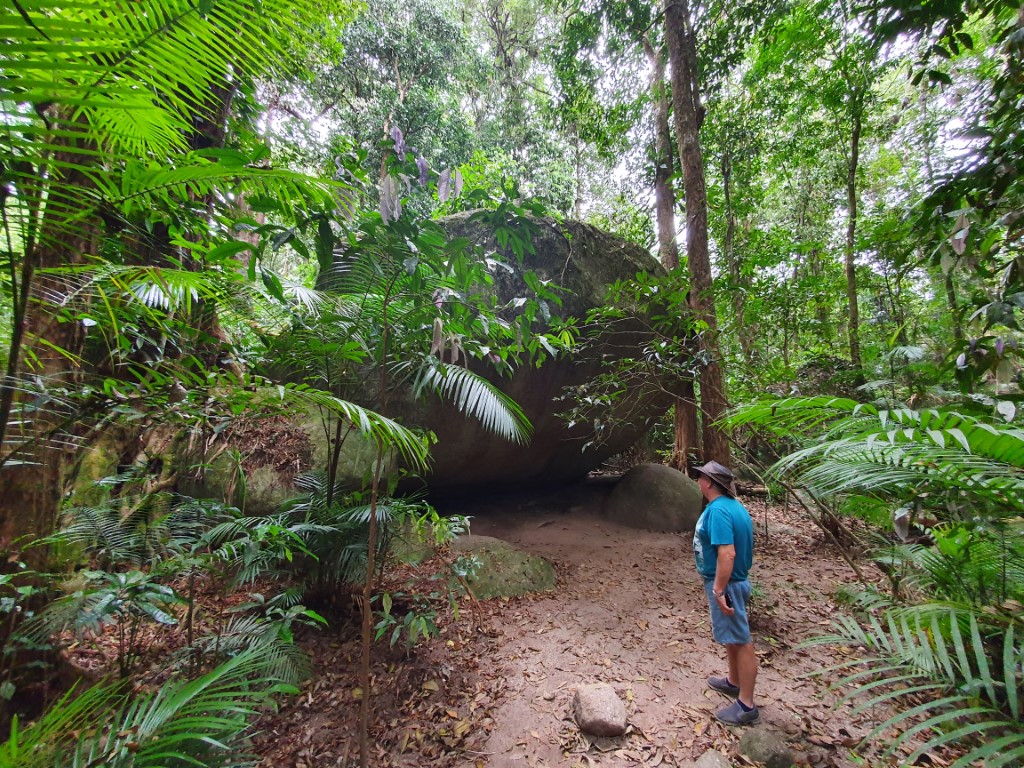
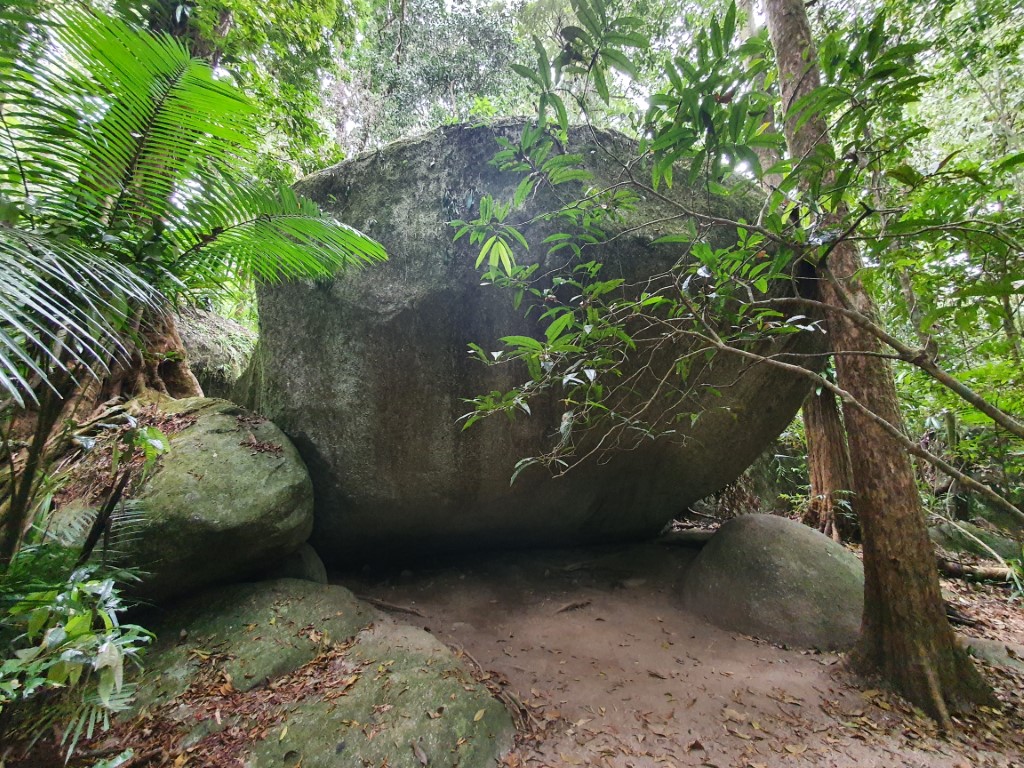
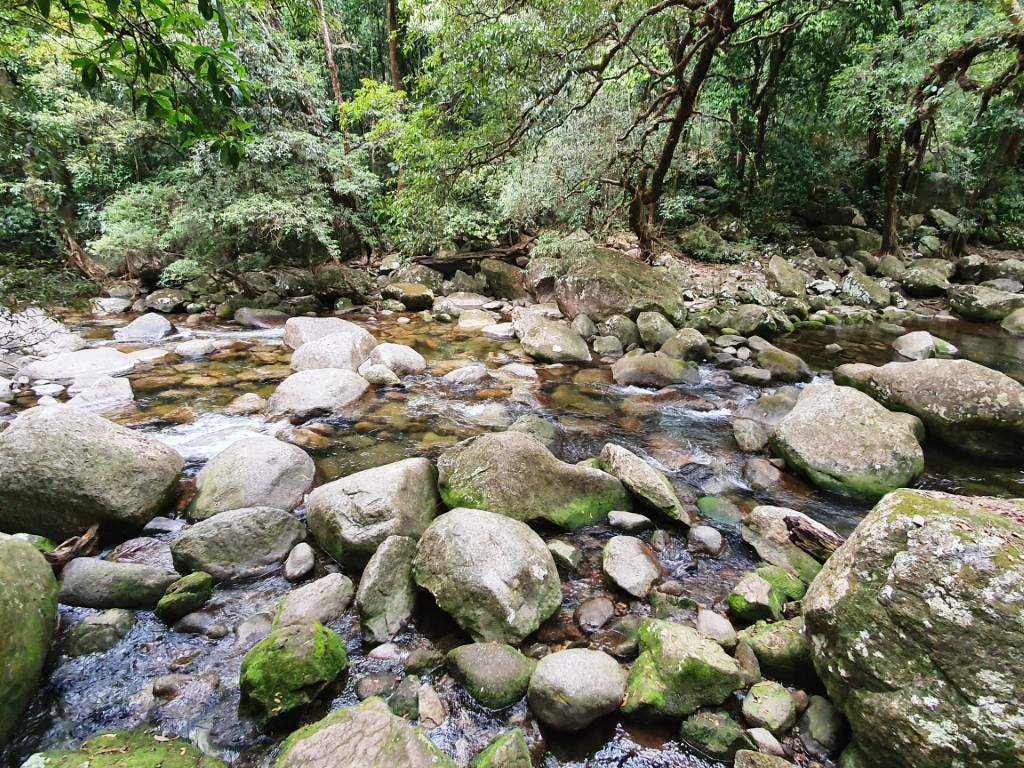
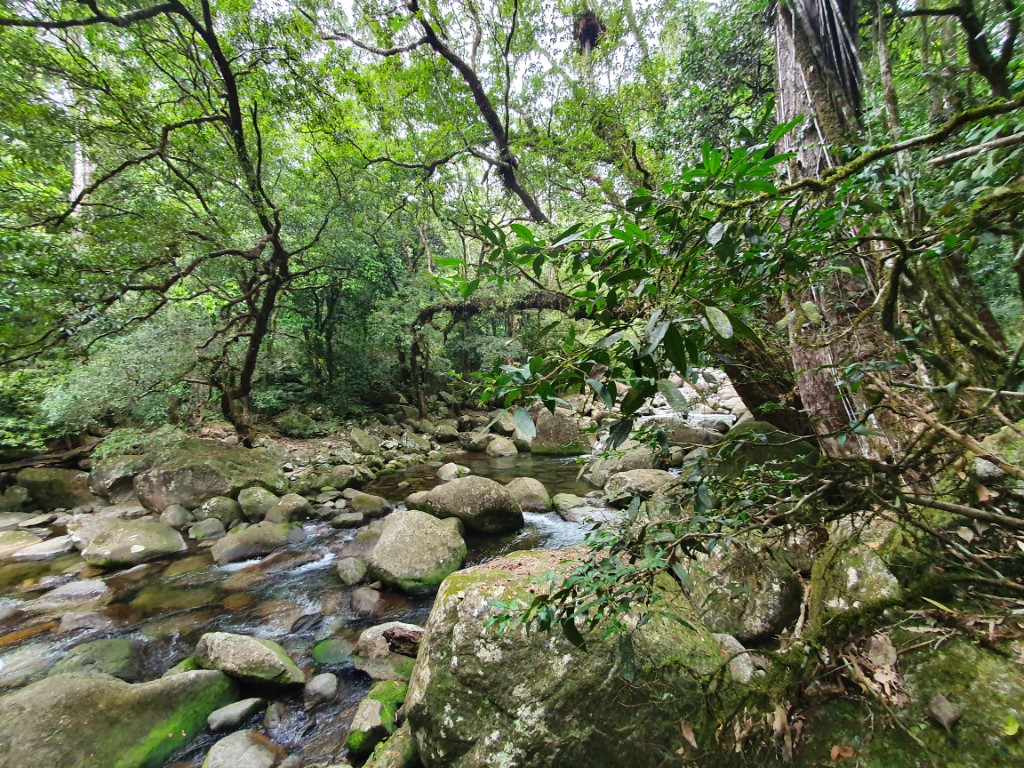
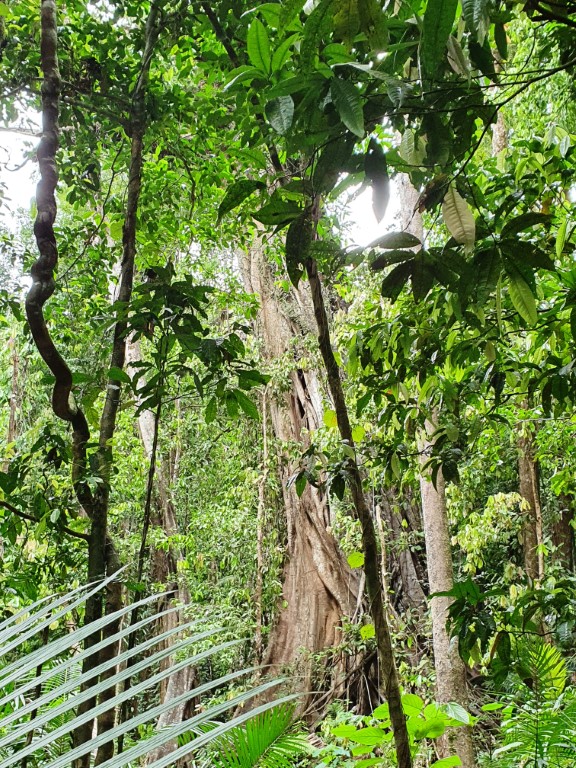
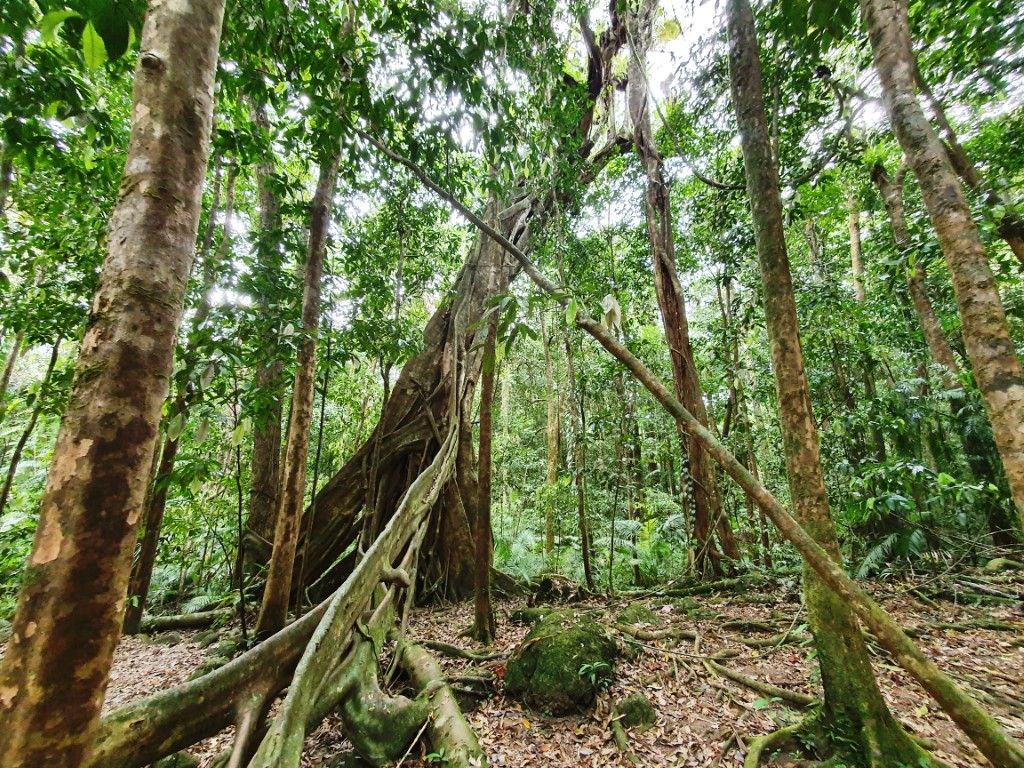
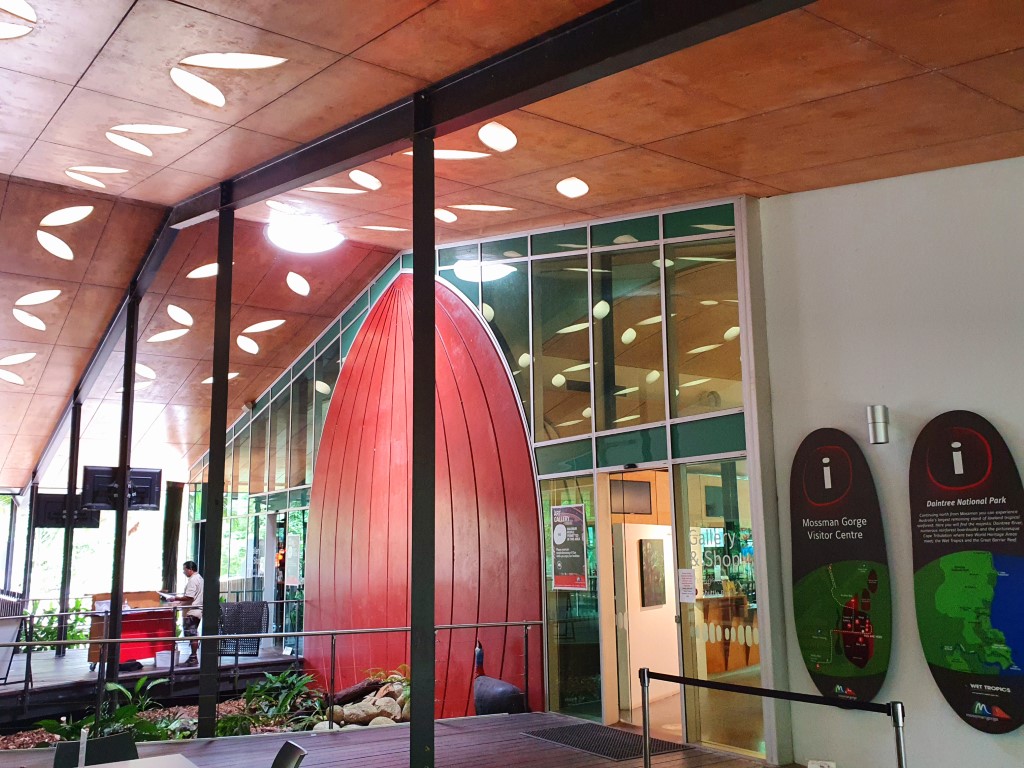
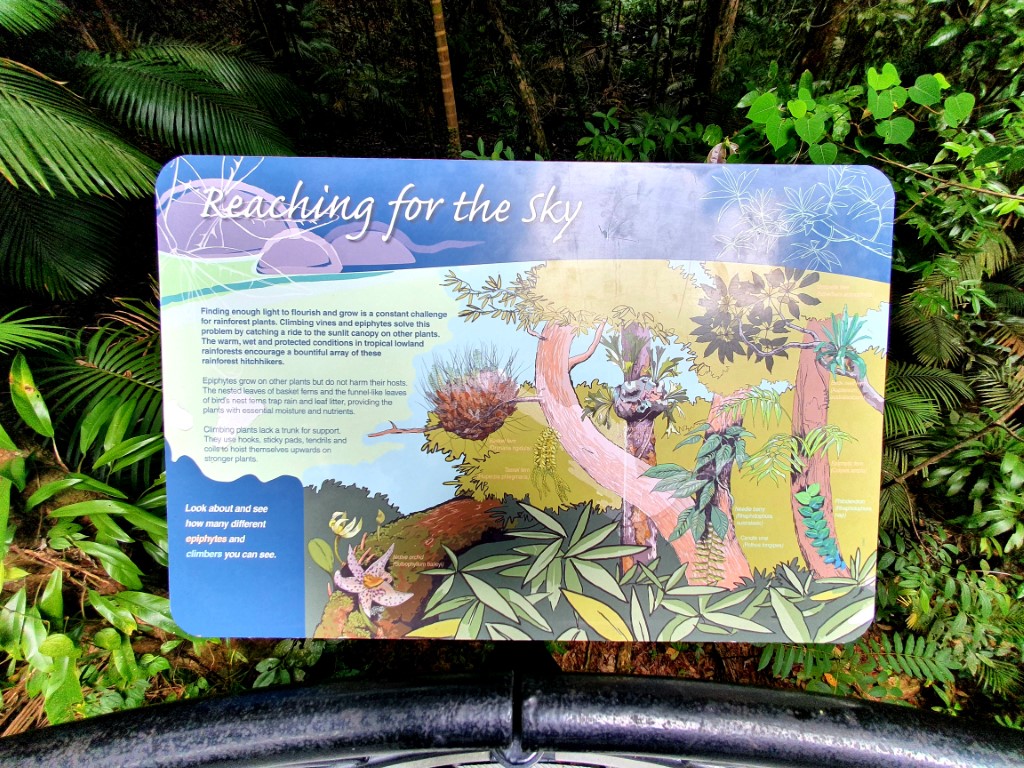
Mossman Gorge – this place has changed a lot since visiting in 2003. There is now a dedicated shuttle bus to take tourists to and from the new information centre to the gorge and walking area. The tracks have been substantially upgraded and there is now a suspension bridge across the gorge. $12 admission fee covers the return shuttle bus journey and it’s money well spent as the facilities and the walkways are first class. The scenery along the walks and in the Mossman River gorge is beautiful. Quite a few foreign tourists taking advantage of the super clear water for a swim in the boulder strewn Mossman River – too cold for us Aussies though!
Day 20, 21, 22, Aug. 2 and 3 Cooktown
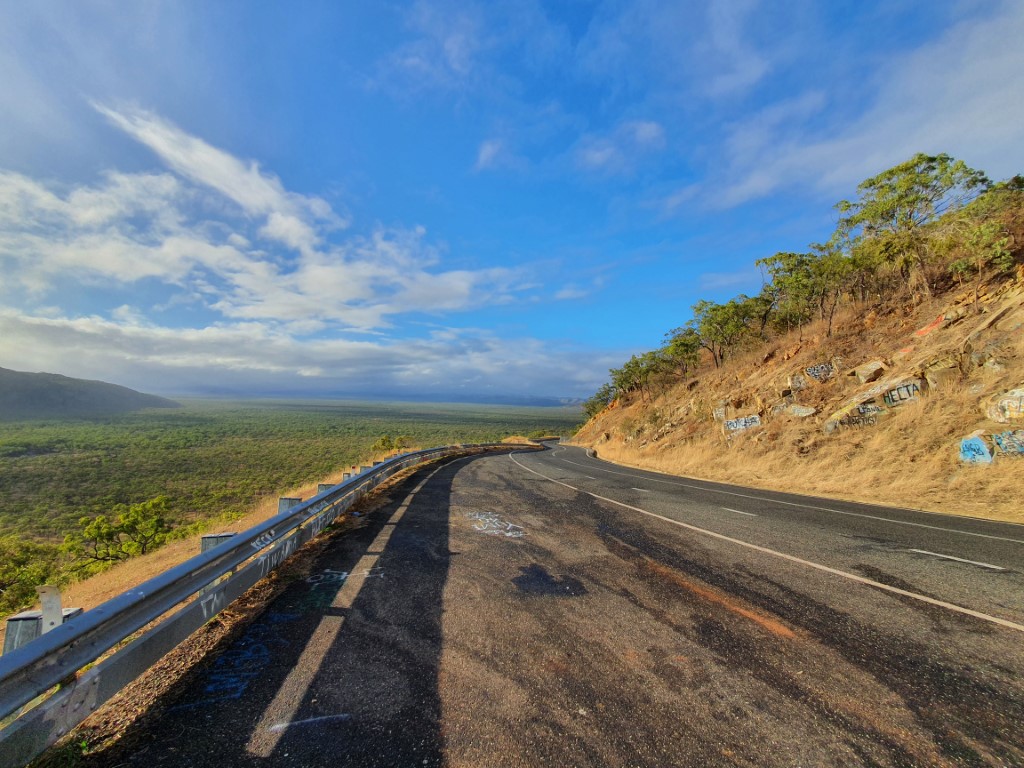
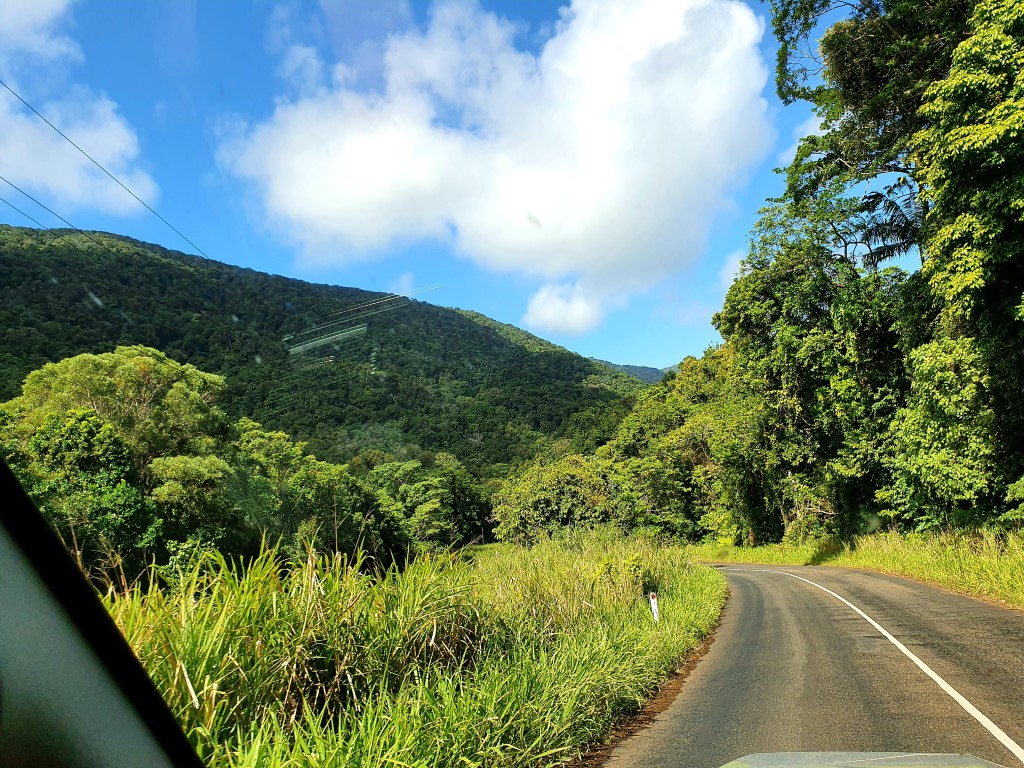
All four of us drove in Ians’ Toyota Land Cruiser to Cooktown via the Peninsula Developmental Road (Mulligan Highway) and back to Port Douglas via the coastal road (The Bloomfield Track). Ian just happened to be a bit tired from driving just before we encountered the Bloomfield Track – all 30 kilometres of just that – a windy steep track with multiple creek crossings! However, only 15 years ago it was literally a 4WD track with over 60 kilometres of gravel and going the inland route there was about 70 kilometres unsealed.
The Lions Den Hotel just south of Cooktown is a well known Aussie bush pub. It was quite well attended when we drove past with some cool hot rods and street machines on a cruise there.
Day 23, Aug 4 Forrest Beach
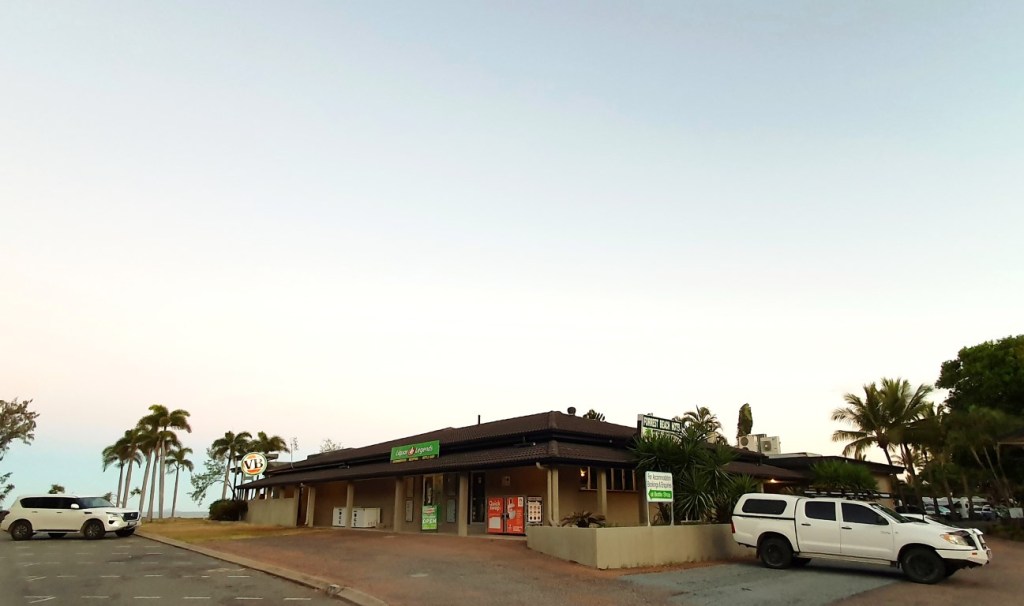
Ian and Jill stayed an extra four nights in Port Douglas while Colleen and I started our journey back south on the Tuesday, 4th August. Our first night on the southern leg was spent at Forrest Beach out from Ingham. Nice spot on the coast with a little gem of a hotel tucked away behind the sand dunes only 300 metres from our free ($10/night) camp. There’s a well stocked local store, newsagent and café and a committee member from the progress association comes around in the afternoon to check the van sites have been paid for (at the Venables real estate agents office across the road).
Day 24, Aug 5 Plantation Creek Boat Ramp
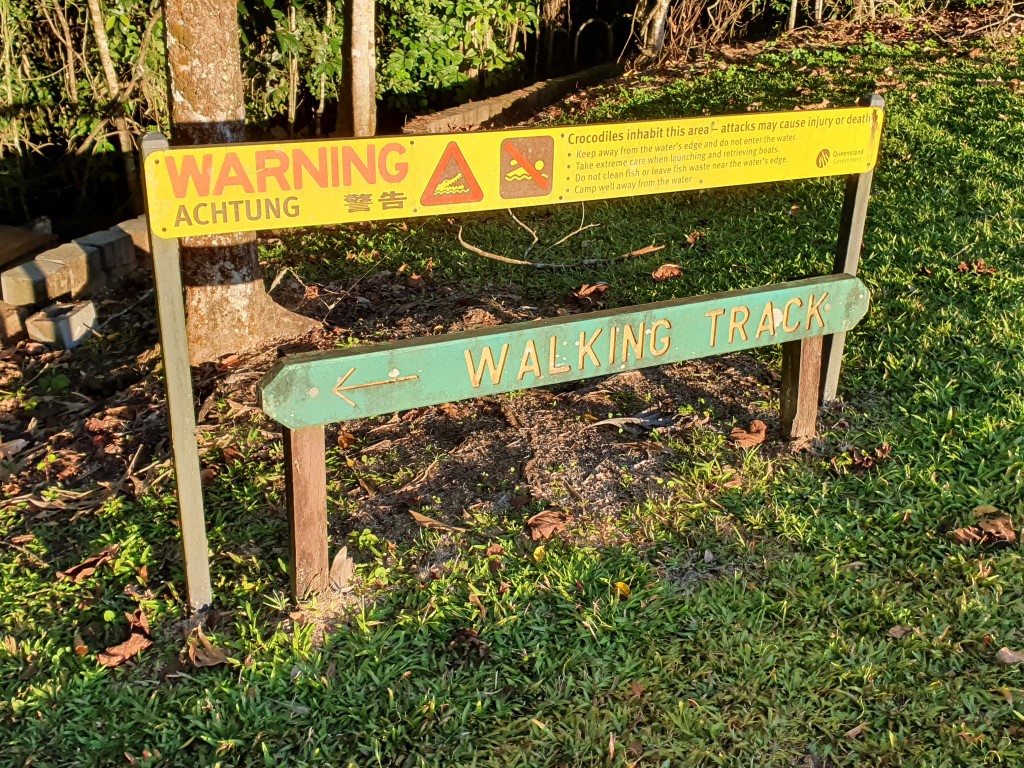
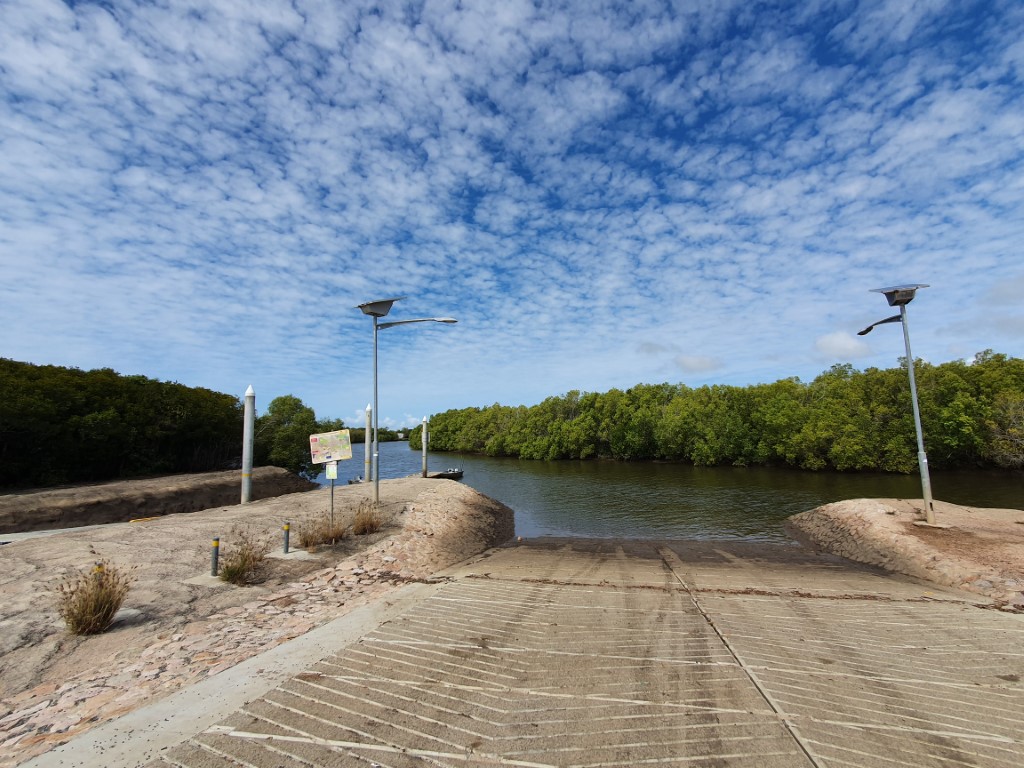
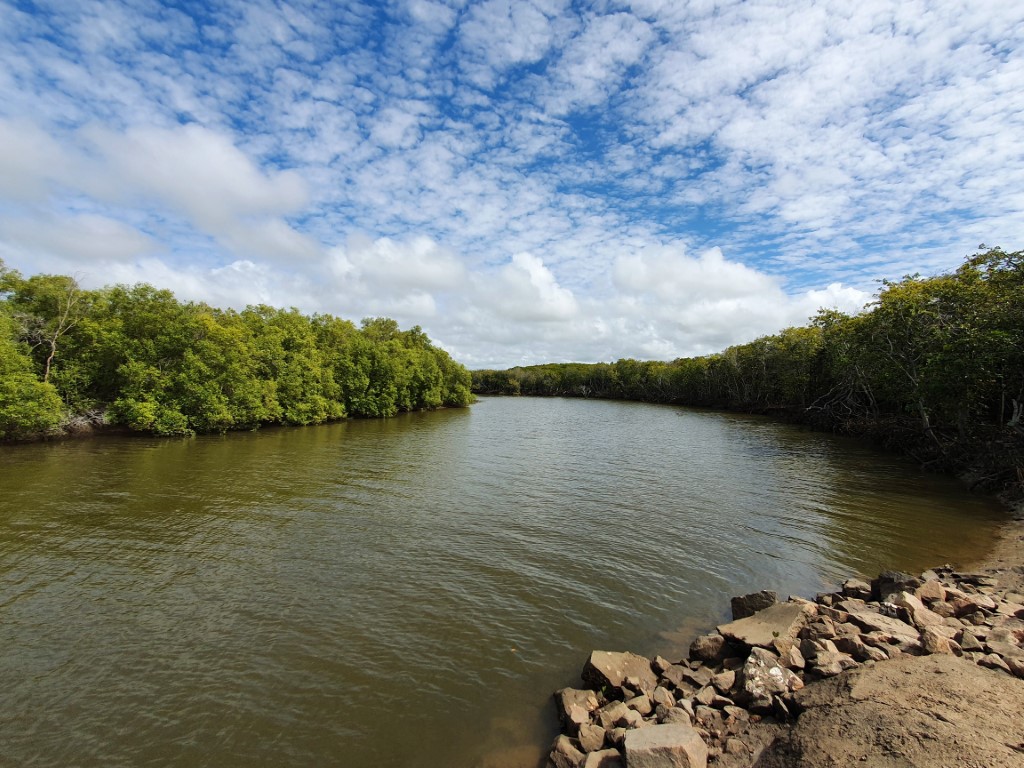
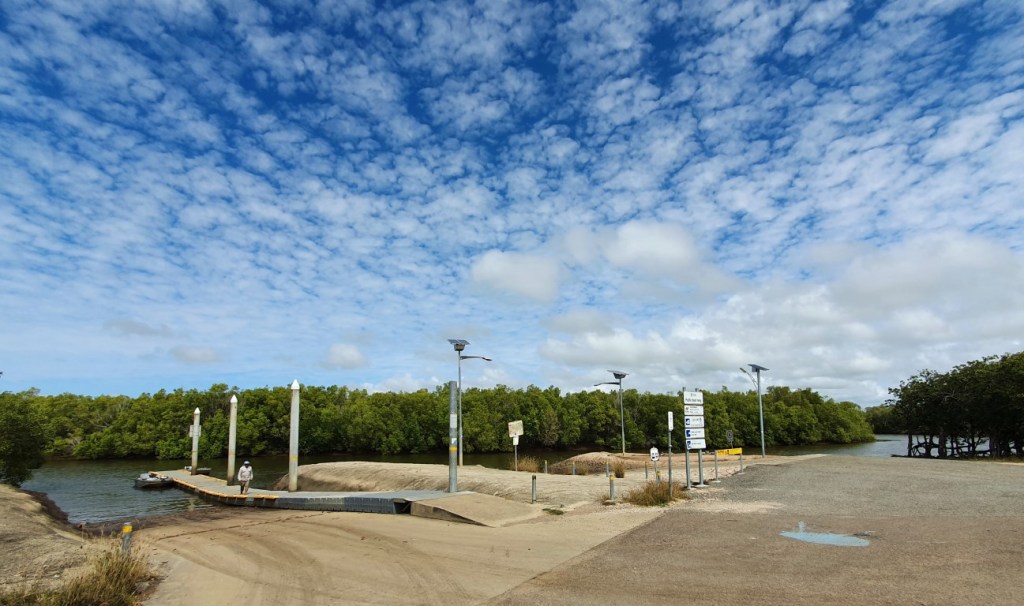
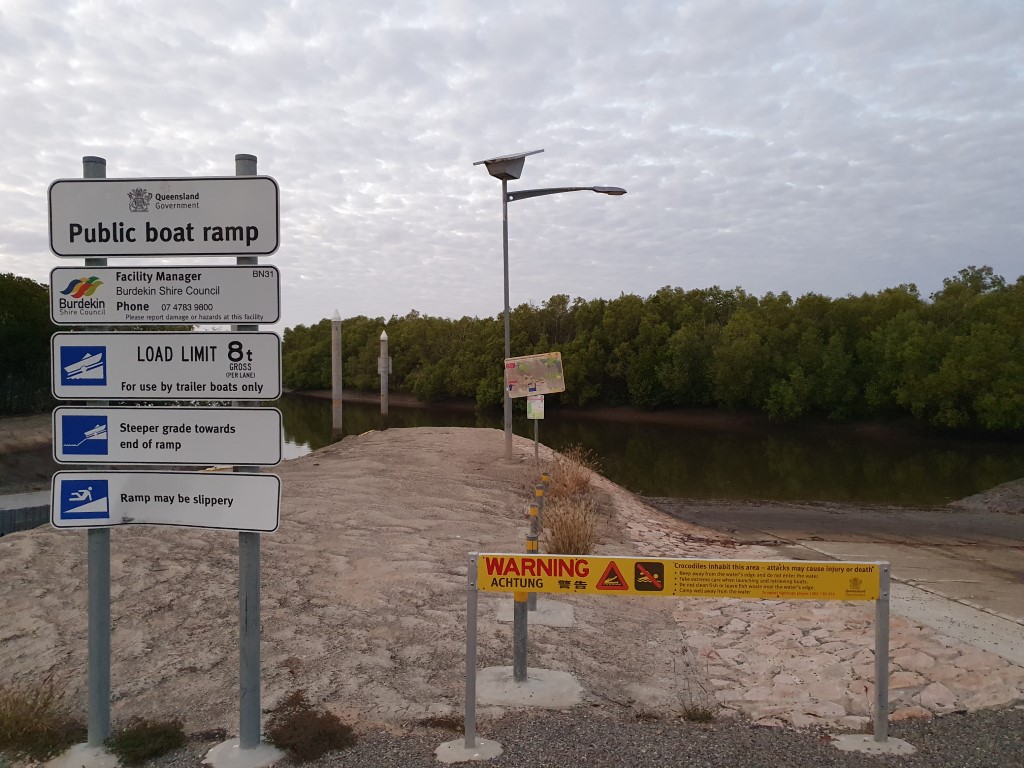
The next day we headed to Plantation Creek free camp 12.5 kilometres NE from Ayr. Approximately five kilometres of nicely graded gravel road to get to the camp spot. This was a very quiet camp where a few fisherman lived in caravans and locals as well as tourists come to try their luck fishing in the creek. Beware crocodile signs right along the creek and at the boat ramp.
Our son Dane rang us at this camp and informed us they were expecting a baby boy. Great news so we celebrated with a couple of drinks.
Day 25, Aug 6th Collinsville detour
Drove out to Eltons nieces’ paint horse stud, Peli Creek at Collinsville and dropped in for smoko. Wendy was very obliging and we had a quick catch up in the shade behind the house with two of her helpers. Wendy is a very talented artist as well as a horse trainer. Lots of coal trains on the Bowen Collinsville road.
Day 25 and 26, Aug 6th and 7th Seaforth
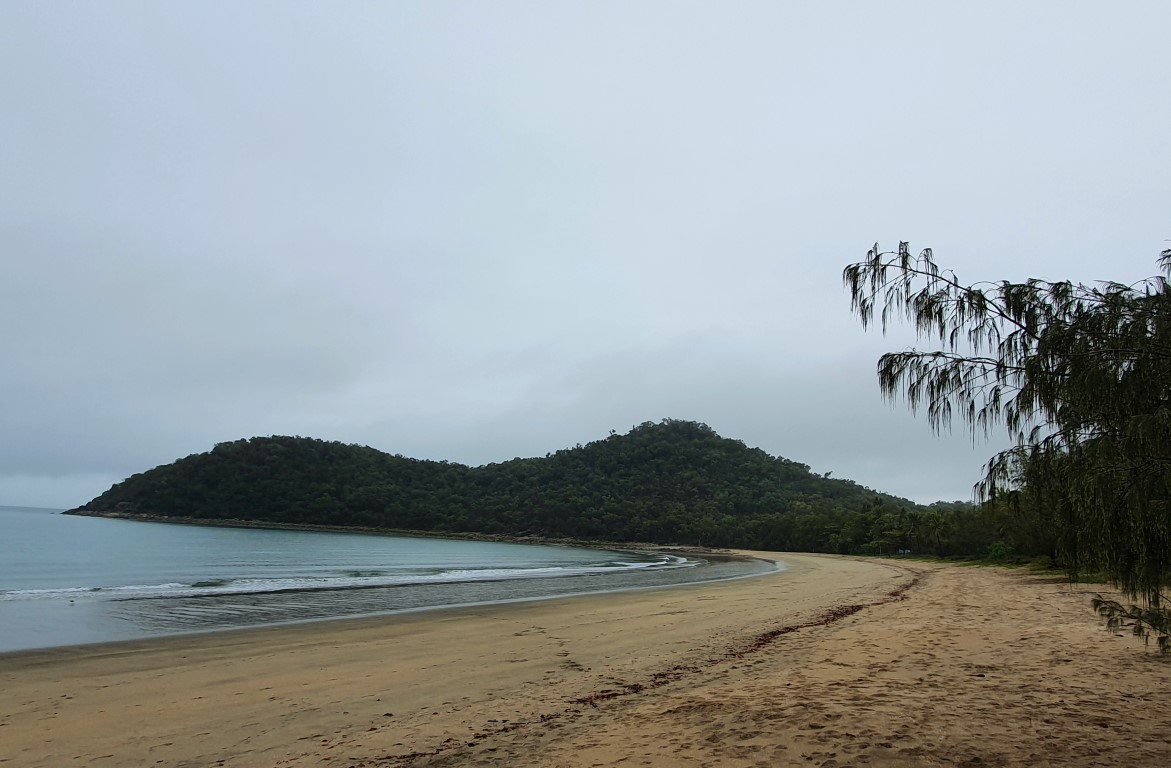
Next stop was Seaforth on the beach north of Mackay near Halliday Bay and Cape Hillsborough. The last time we were here the road was partly gravel and our eldest son Jade was about 15 months old – he’s now 38! We came in via the Mt Ossa – Seaforth road which is only 17 kilometres from the highway, of which about 9 kilometres was gravel but in quite good condition even though there was some rain coming down at the time. It saved about 20 minutes of drive time rather than turning further south on the Bruce Highway.
Due to the light rain, we had a couple of quiet lay days apart from driving to the boat ramp and around the Halliday Bay area. This area has developed a lot since our (tent) visit in 1983 and we even found our original camp spot at Halliday Bay – it’s now a caravan park and golf course!
Day 27 Aug 8 Yaamba
Overnight stop at a free camp on the side of the Bruce Highway north of Rockhampton. Not much to see or do here. The local pub was closed due to COVID-19.
Day 28 and 29, Aug 9th and 10th Woodgate
After our two days at Seaforth we ventured further south to one of our favourite destinations along the east coast of Queensland – Woodgate, for another two nights. Still a quiet little village right on the beach north of Burrum Heads and south of Bargara. Our school teacher friends from Oxenford escaped to Woodgate 20 years ago after retiring and are still loving the quiet life, fishing and boating along the coast line and at Theodolite Point on the northern end of town. The NRMA tourist park is a great caravan park – quite huge overall with sites suitable for large vans, motorhomes, small vans, tents, it also has cabins and cottages as well as a couple of full sized houses for rent adjacent to the park. The beaches are beautiful here and you can drive on the beach without a permit. A nice short drive to Walkers Point on the southern tip of the Woodgate gives a good view of Burrum Heads across the mouth of Burrum River. A future bridge across to Woodgate from Burrum Heads/Toogoom area would mean a journey of less than 5 minutes, however by road it’s over 60 minutes and 90 kilometres!
Day 30 and 31, Aug 11th and 13th Inskip Point
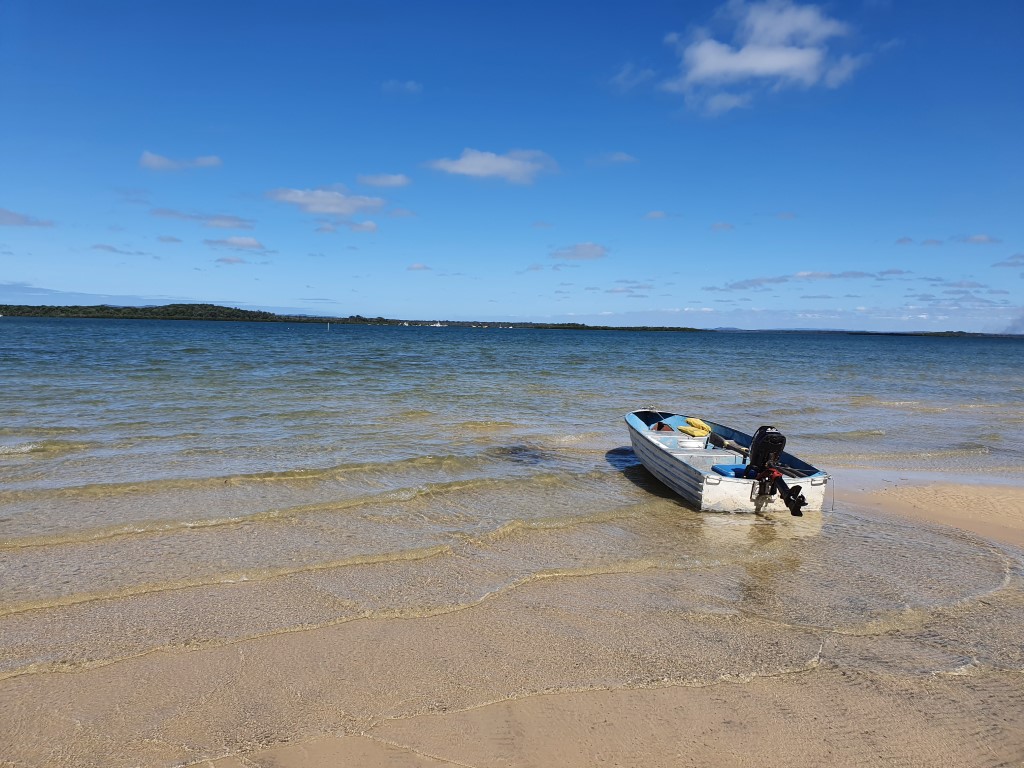
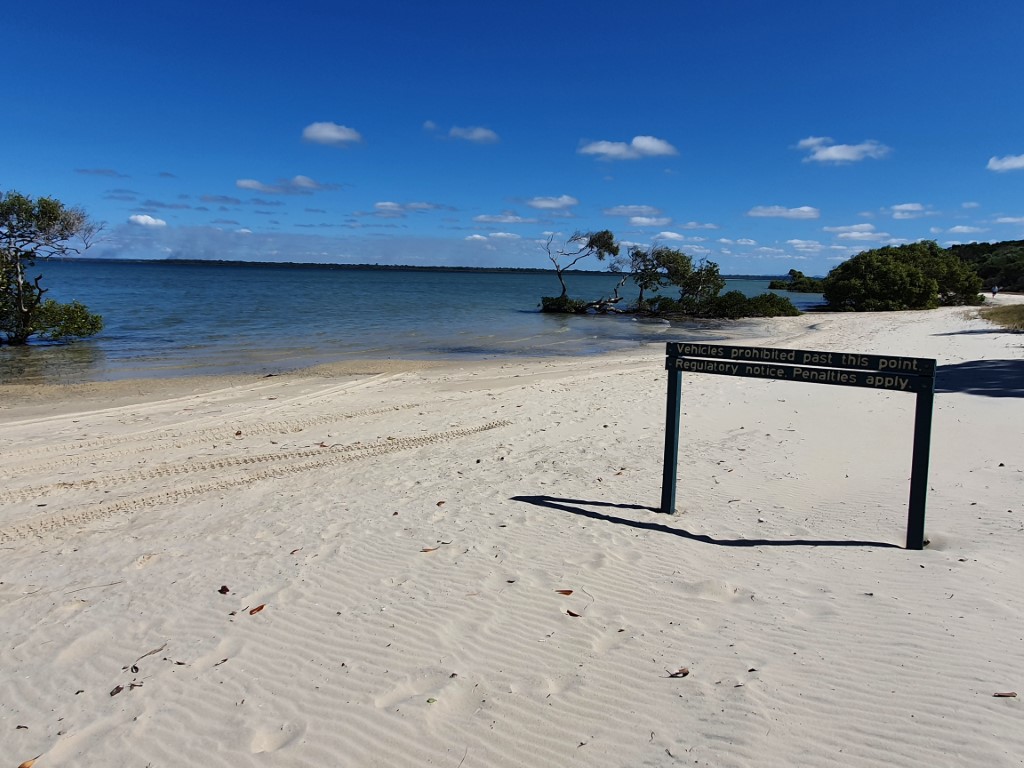
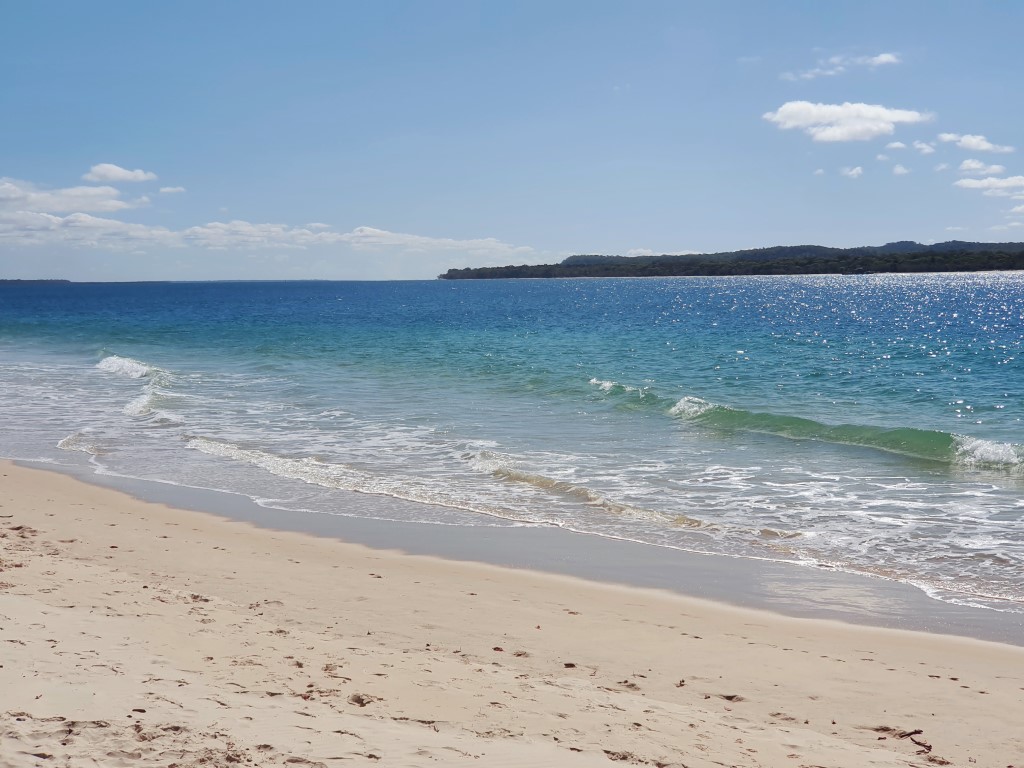
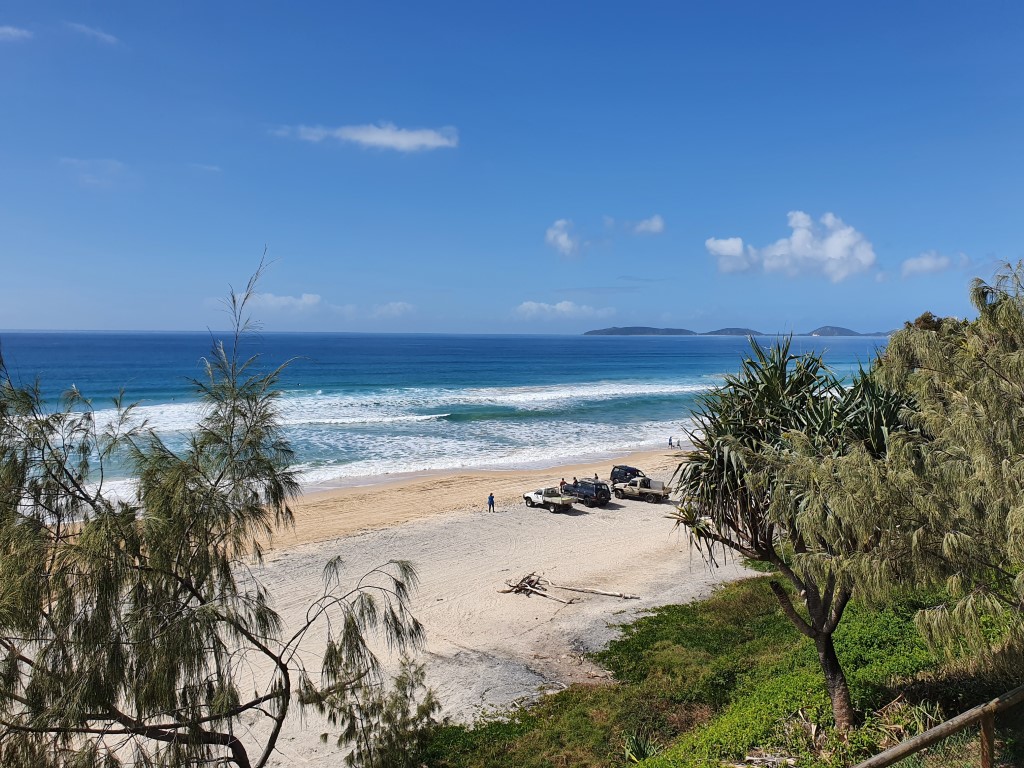
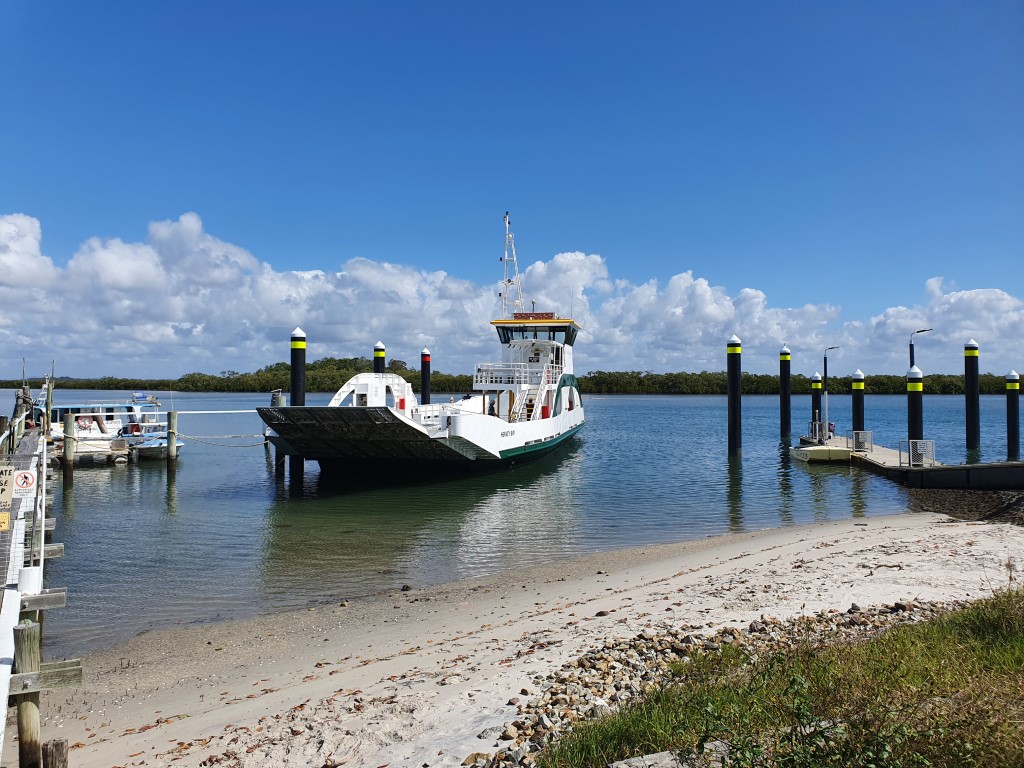
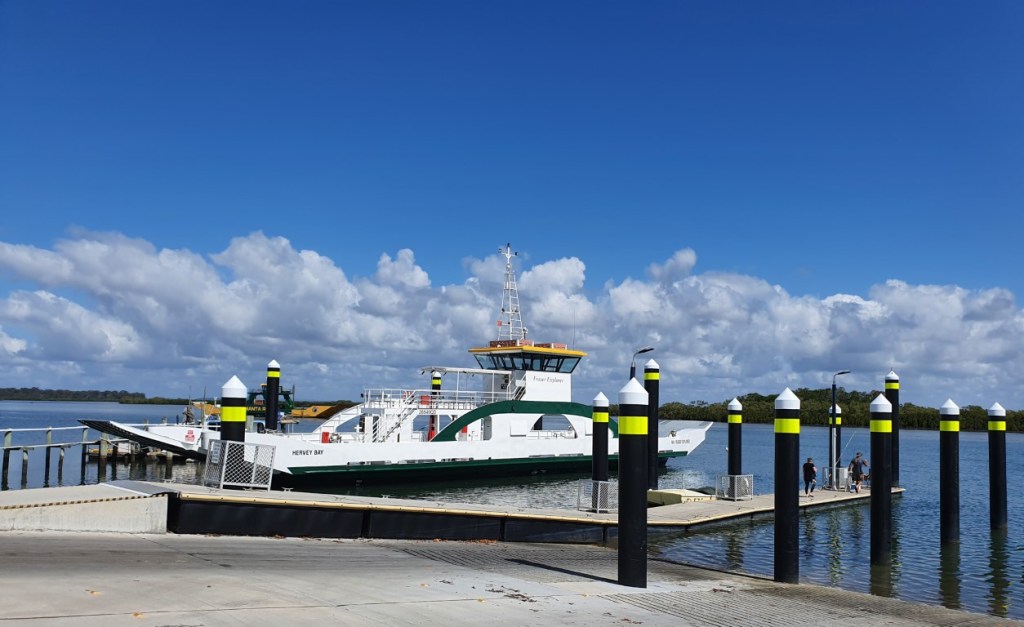
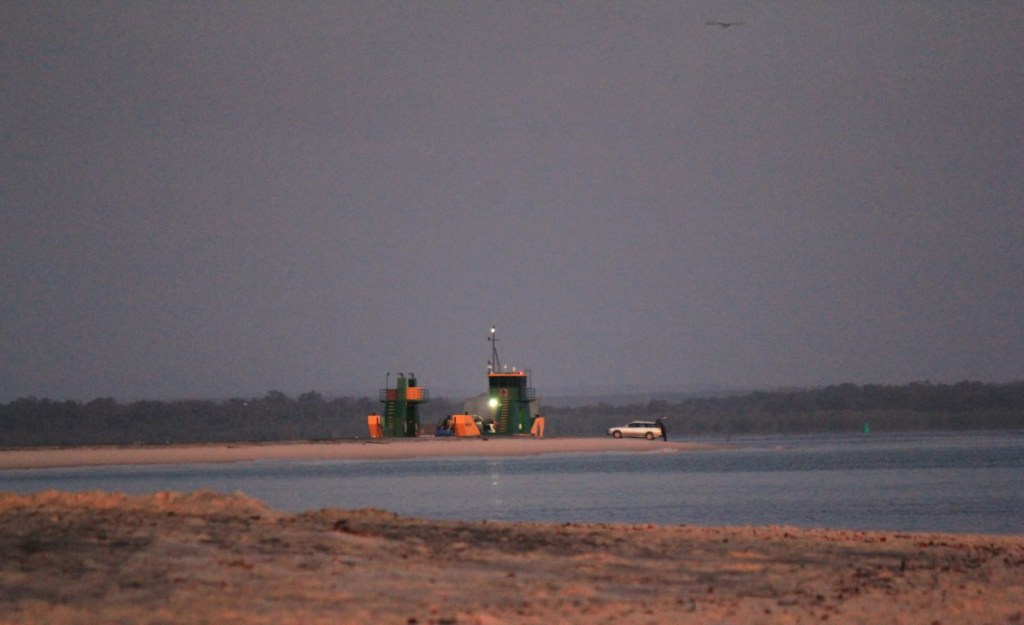
Our last camp site for the month long trip was at Inskip Point right near where the vehicle barges go across to K’Gari (Fraser Island).
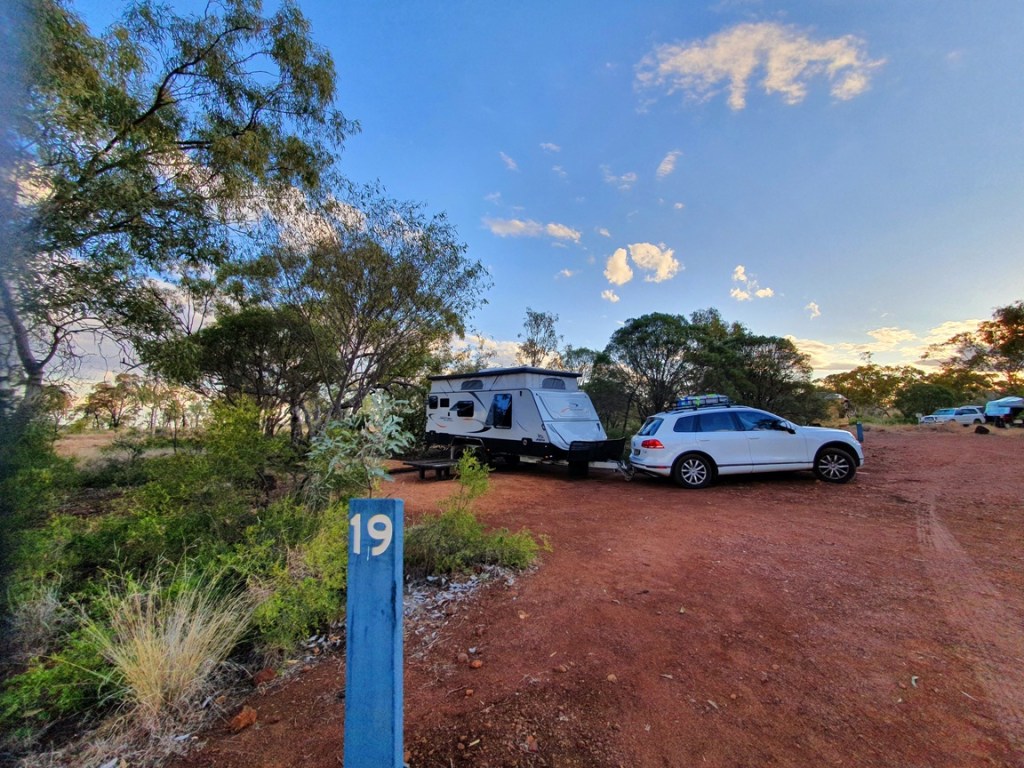
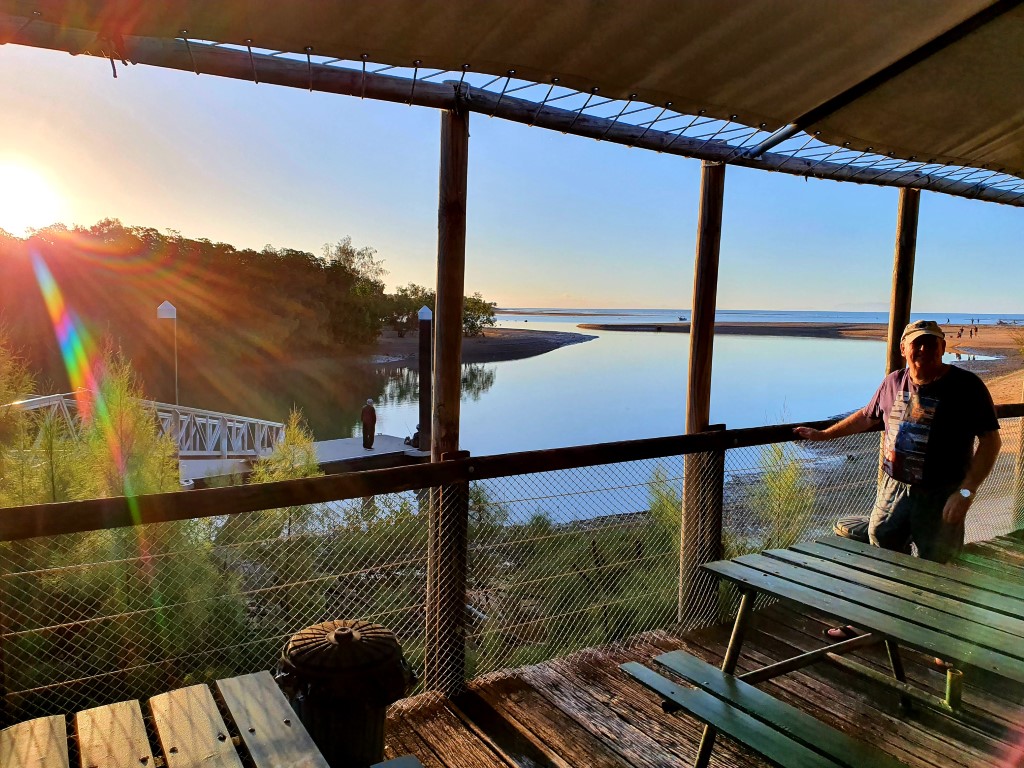
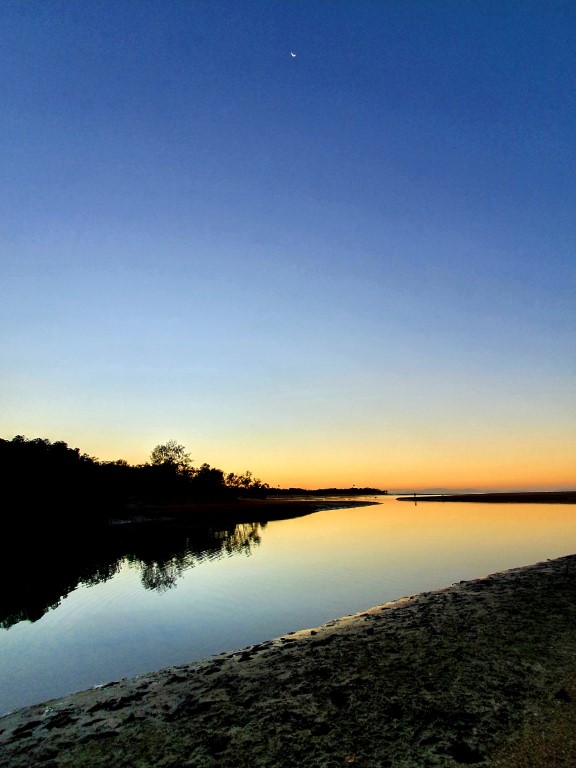
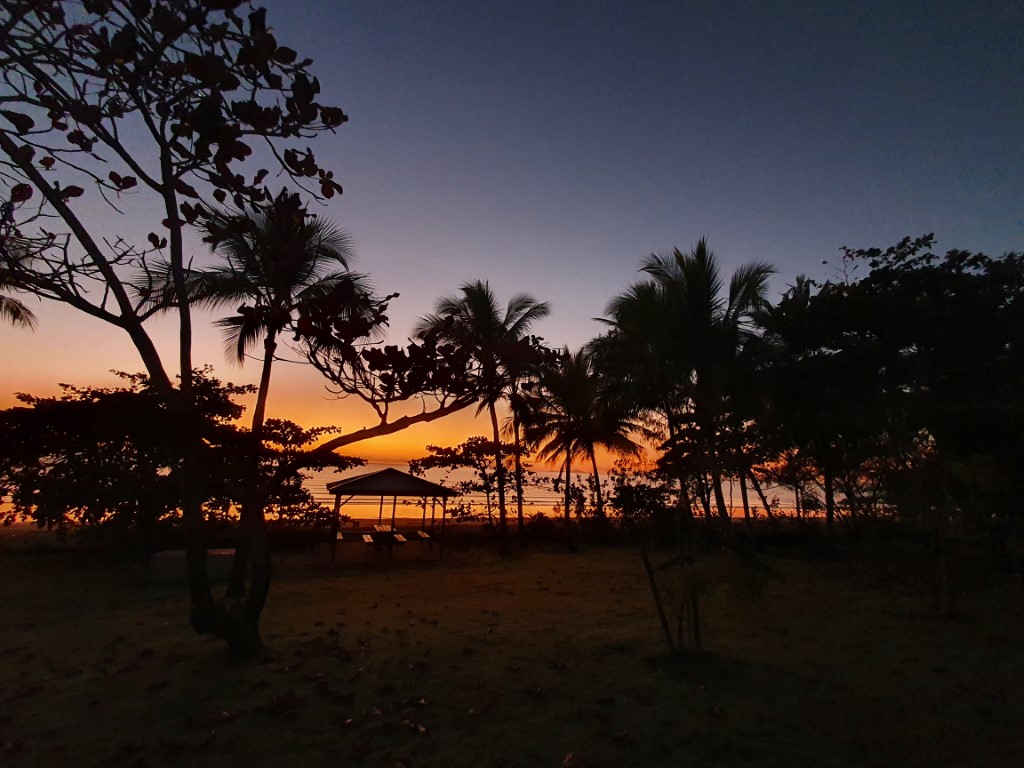
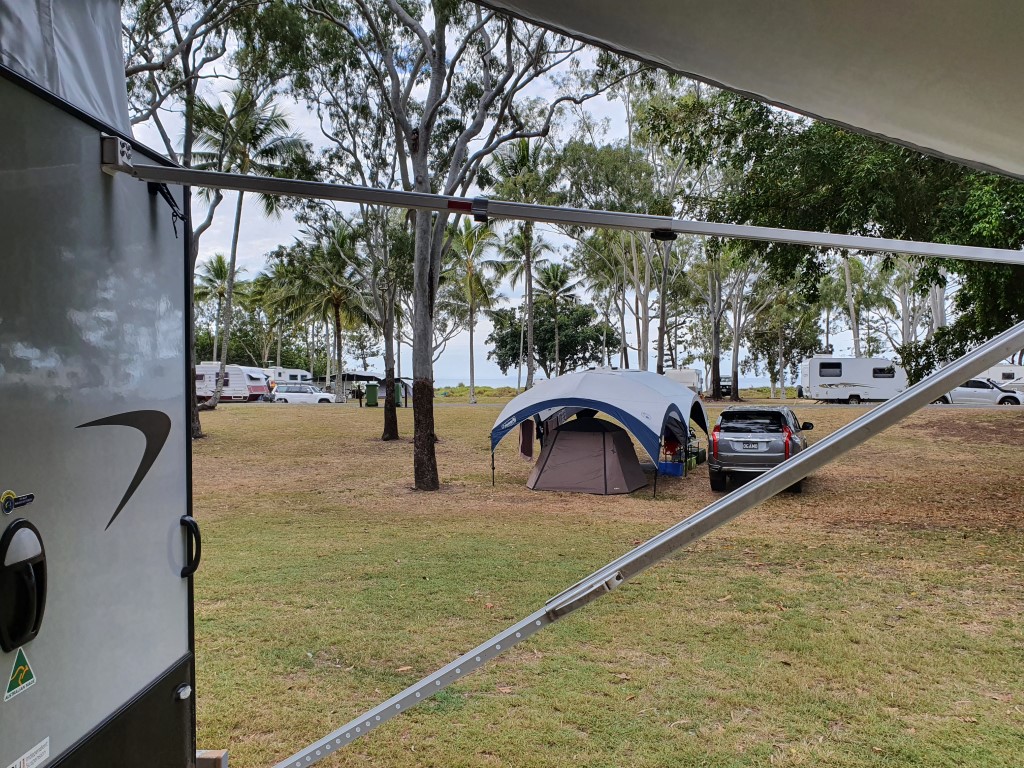
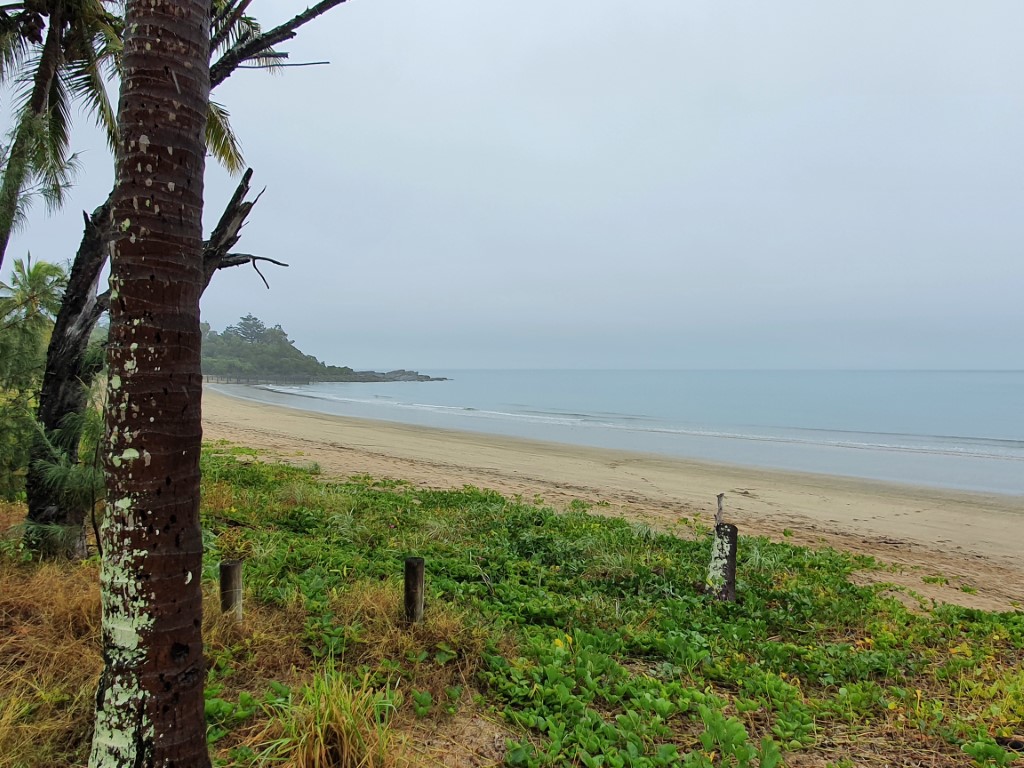
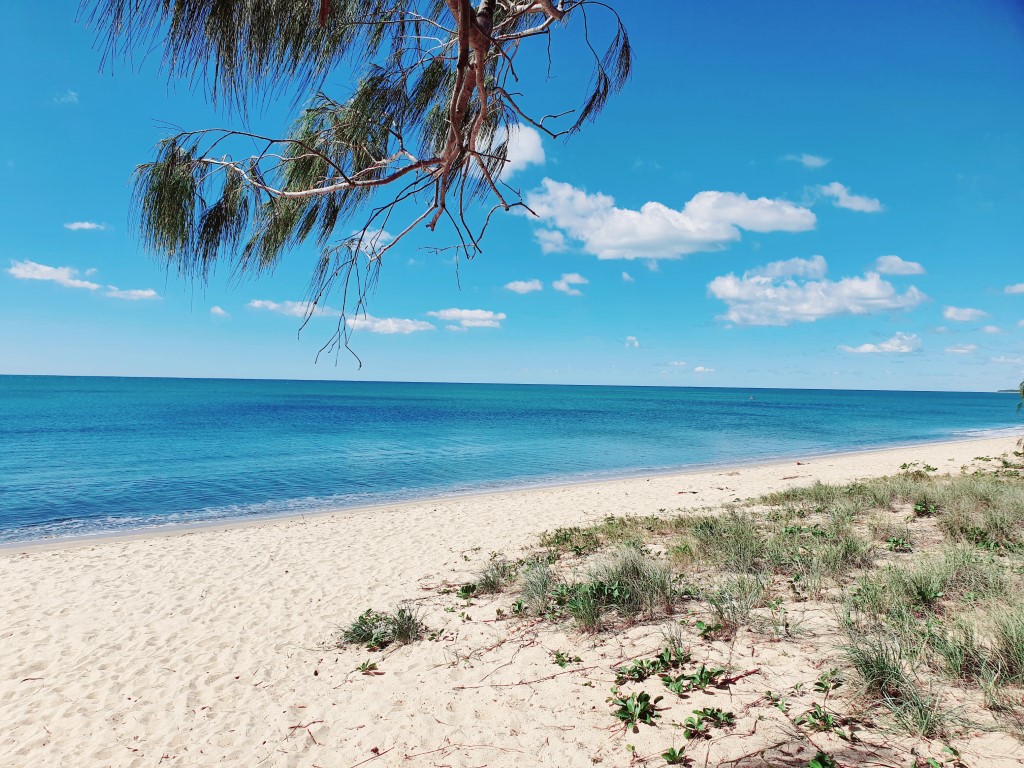
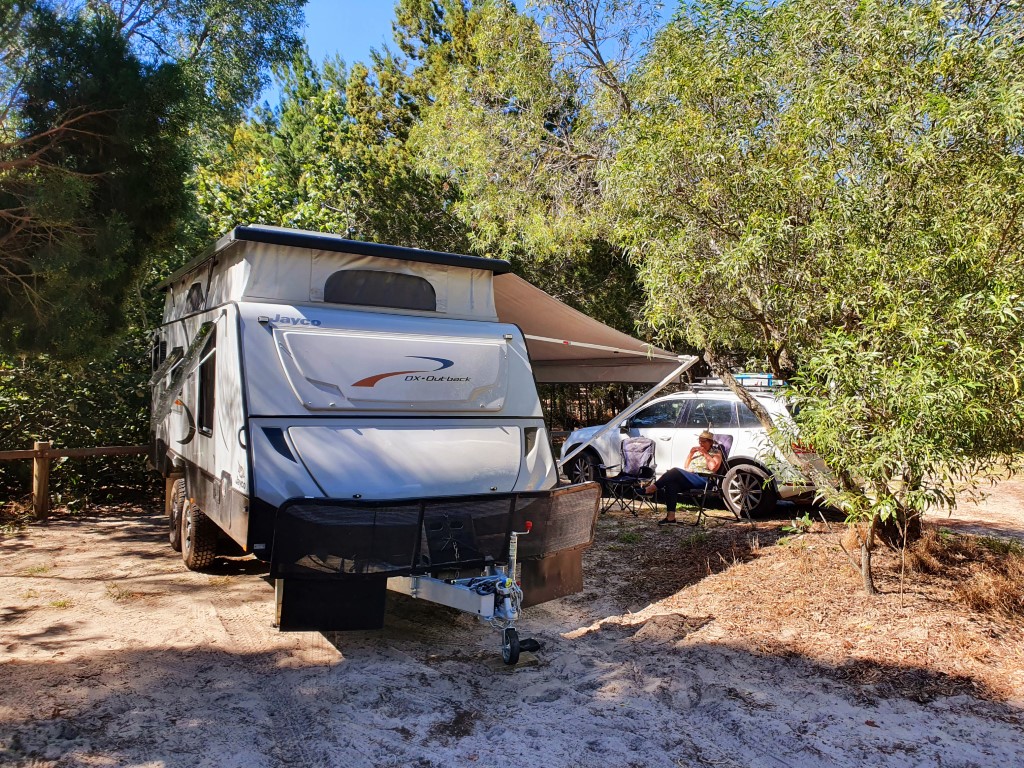
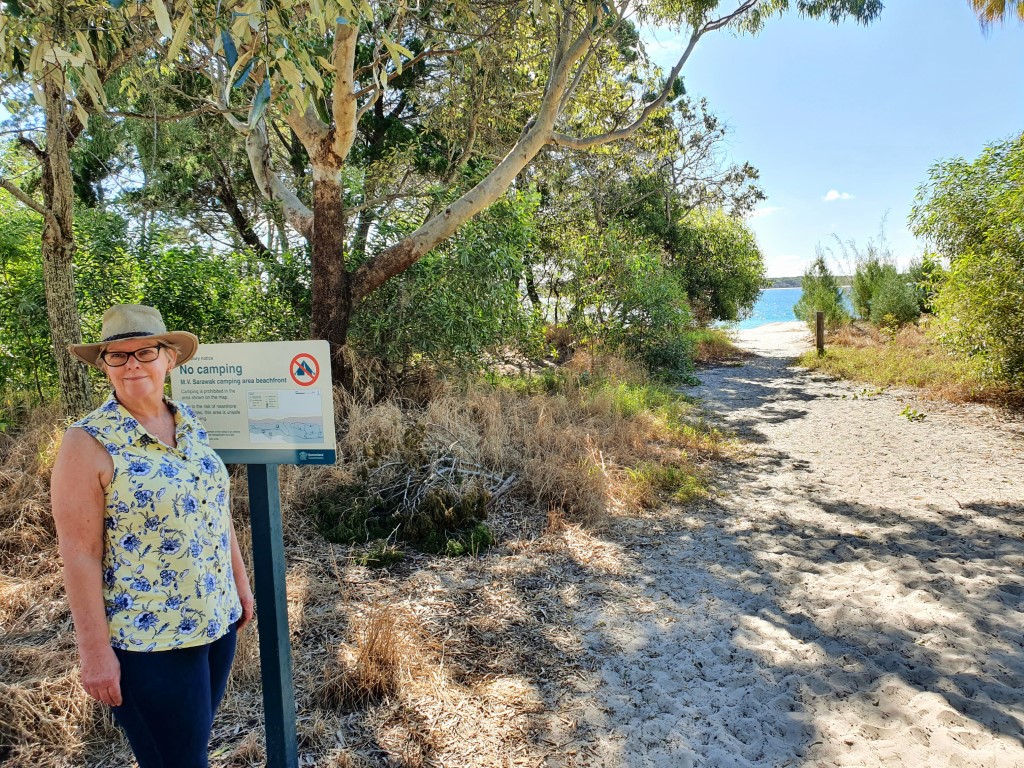
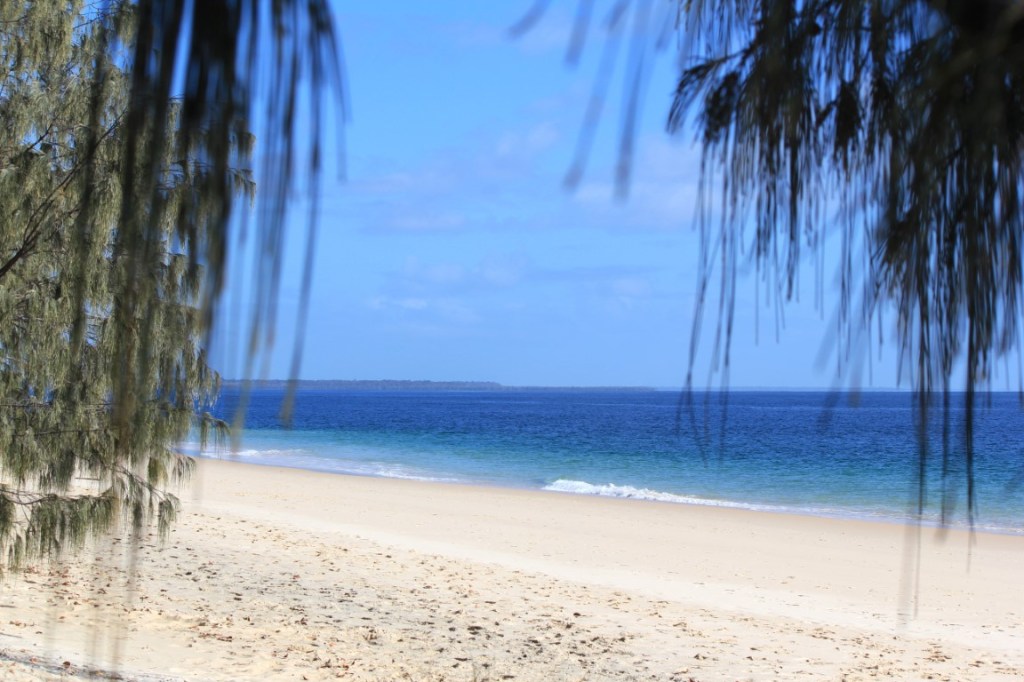
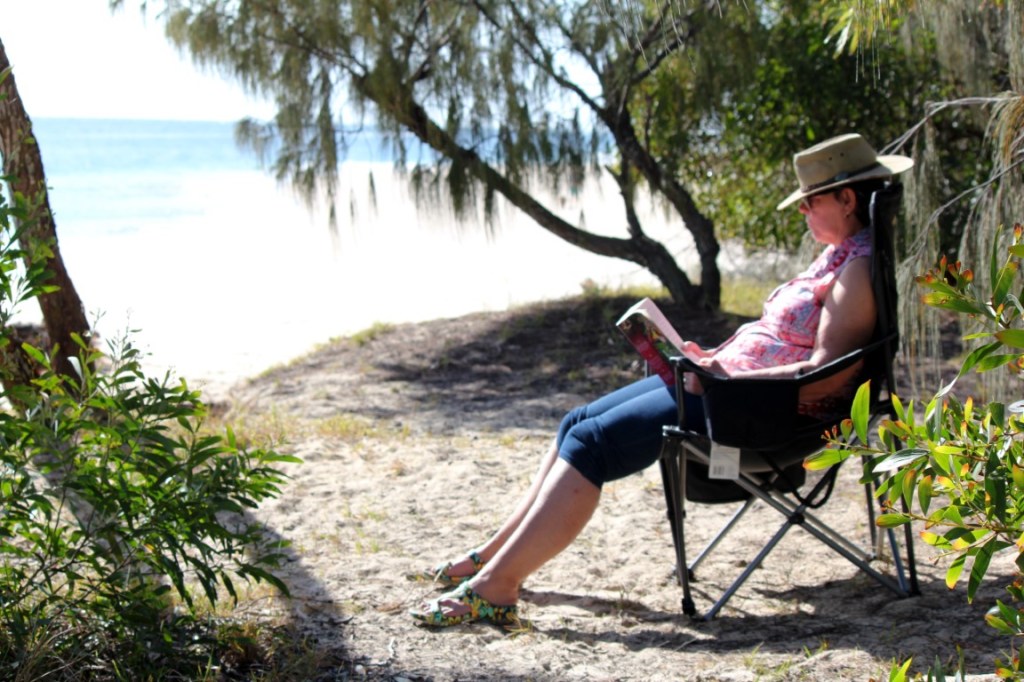
We were booked into MV Beagle campground however we were informed via email earlier in our trip that this area was being cleared of dangerous dead trees and that we were transferred to MV Sarawak West. This turned out to be a good move as we managed to jag a really good spot tucked in under some she oaks and coastal dune trees between the protected water and the eastern beach side – both about 100 metres from the water. Spent some quality time here before heading home on the final leg of what was one of our most memorable caravan trips in eight years.
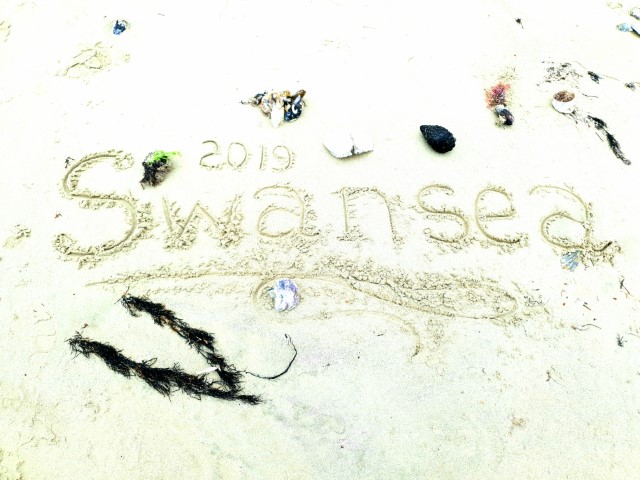
Swansea is a great town to base a touring and sightseeing holiday around if you’re driving along the east coast as part of the Great Eastern Drive.
Great Eastern Drive is 176 kilometres of incredible scenery and natural beauty. Famous beaches, quaint old towns, national parks and reserves and a slower pace of life. Great vineyards and fantastic food and fresh produce. Becoming world renown for mountain biking with great forested trails.
Many things to see and do around Swansea.
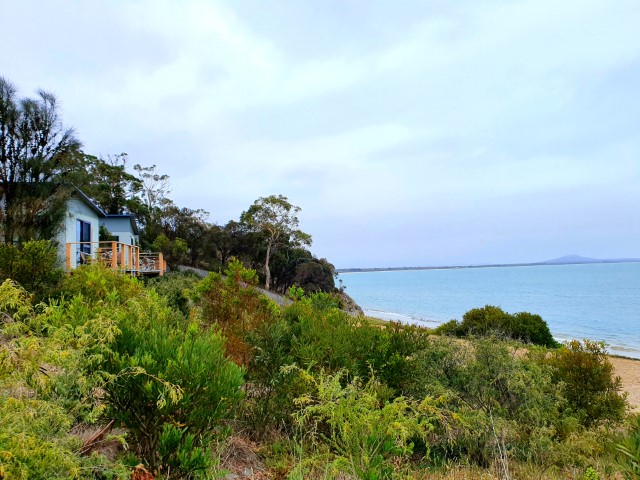
Here’s a list of things we managed to do in our 4 night stopover at Swansea Chalets.
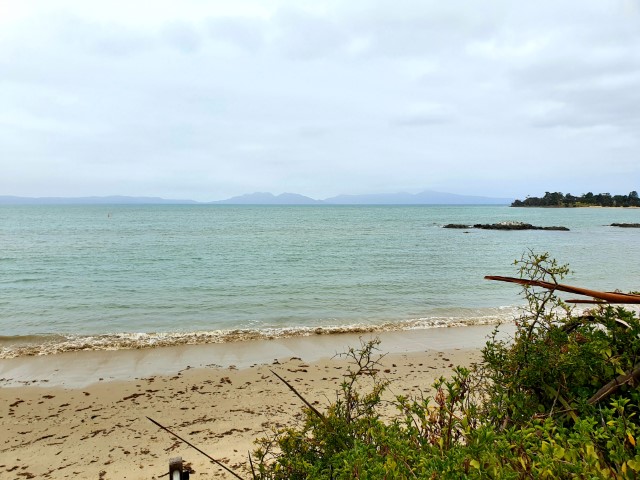
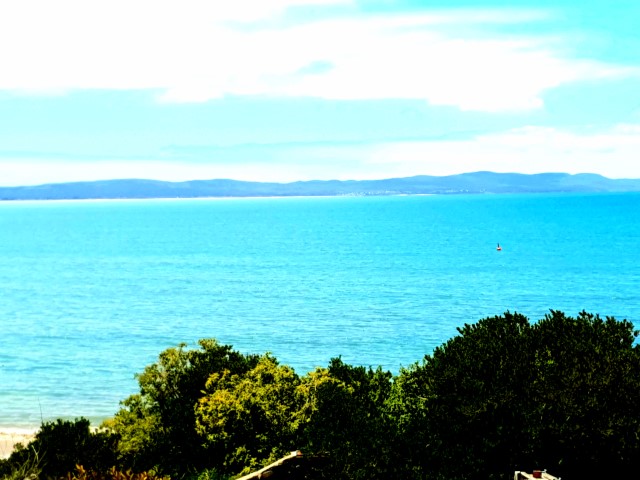
Walks and photography around Waterloo Bay
Visited Piermont Estate historic property
Checked out the convict built Spiky Bridge
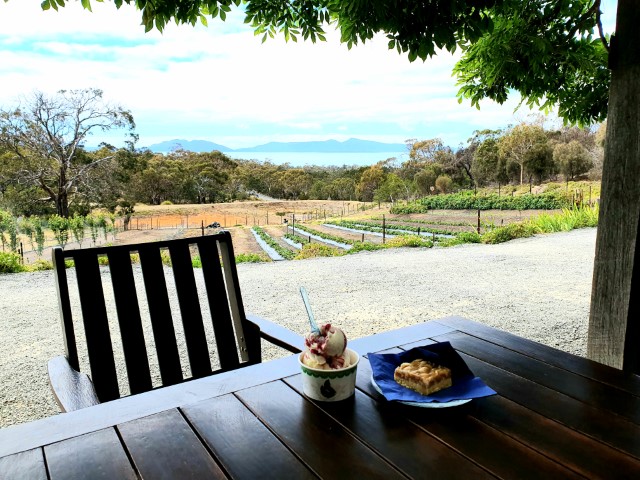
Visited Kates Chocolate and Berry Farm and sampled delicious food and coffee
Bought a meal at the Bark Mill Tavern which also houses a café and great museum
Viewed all the historic displays and researched convict information at the excellent Glamorgan Museum and Visitor Information Centre. It’s located in the old school built in the 19th century.
Drove to Freycinet Peninsula for Christmas lunch at Freycinet Lodge
Other things you could add onto your list while based at Swansea;
Walk to Wineglass Bay, take a scenic flight and/or boat charter
Coles Bay – search out sea birds, dolphins, penguins, seals and whales
Hi, Elton Walker here with my attempt at a new (and my first) blog called Walkerbouttravel. I live in the Gold Coast hinterland near Tamborine Mountain with my wife Colleen. We’re both retired and enjoy travelling around Australia in our caravan as well as flying to other countries when we can.
This blog will document our travels both within Australia and overseas. Photos will accompany the text to give more meaning and perspective to our travels.
Tasmania December 2019
Our most recent trip was to Tasmania in December 2019. This was a fly into and out of Hobart arrangement with 10 days car hire to explore mainly the east coast and Midlands from Port Arthur in the south to the Bay of Fires in the north. About 1,400 kilometers total in the hire car.
Several reasons for this, our third trip in 22 years to the Apple Isle;
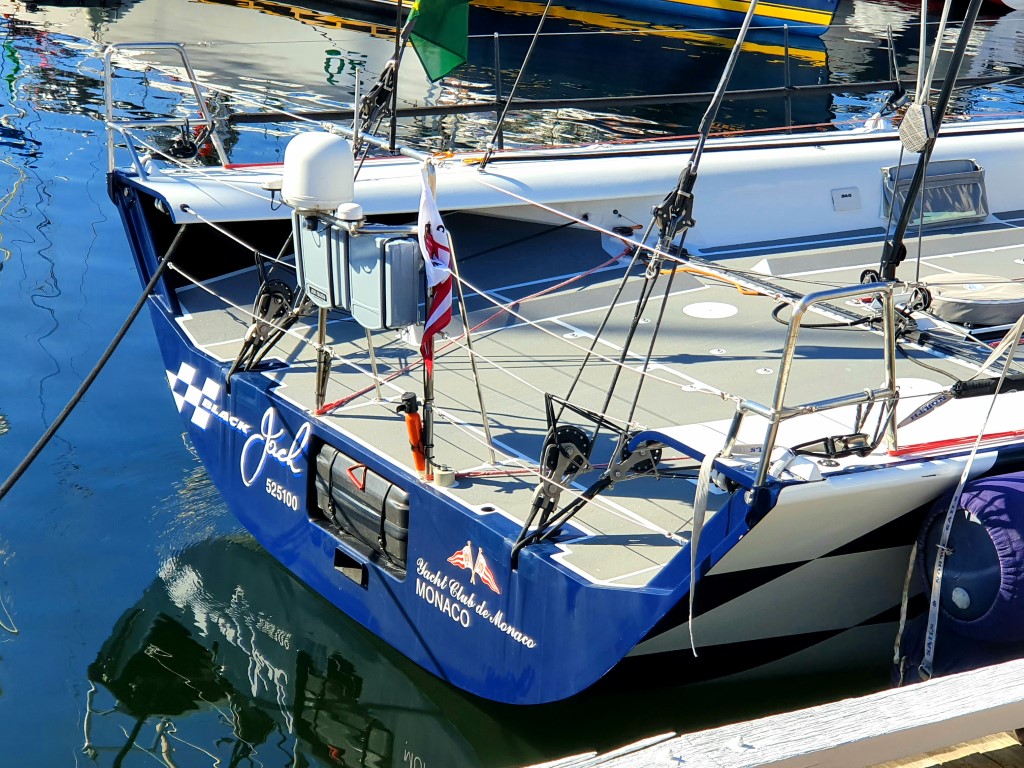
To chase up more information on Colleens great great grandfather who was a convict in and around Hobart from 1838-1845, 2. To see parts of Tassie we hadn’t explored in previous trips and, 3. To see the yachts come into Constitution Dock on completion of the Sydney to Hobart Race.
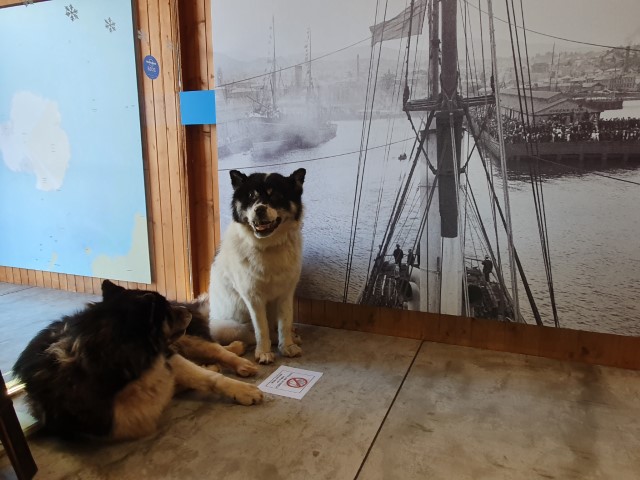
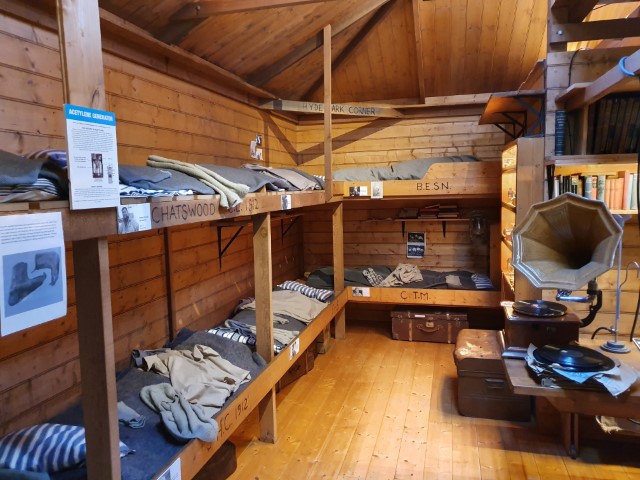
Commandants House Port ArthurBlack Jack at Constitution DockBinalong Bay. Bay of FiresView from our window of the Customs House Hotel Salamanca Place Hobart




































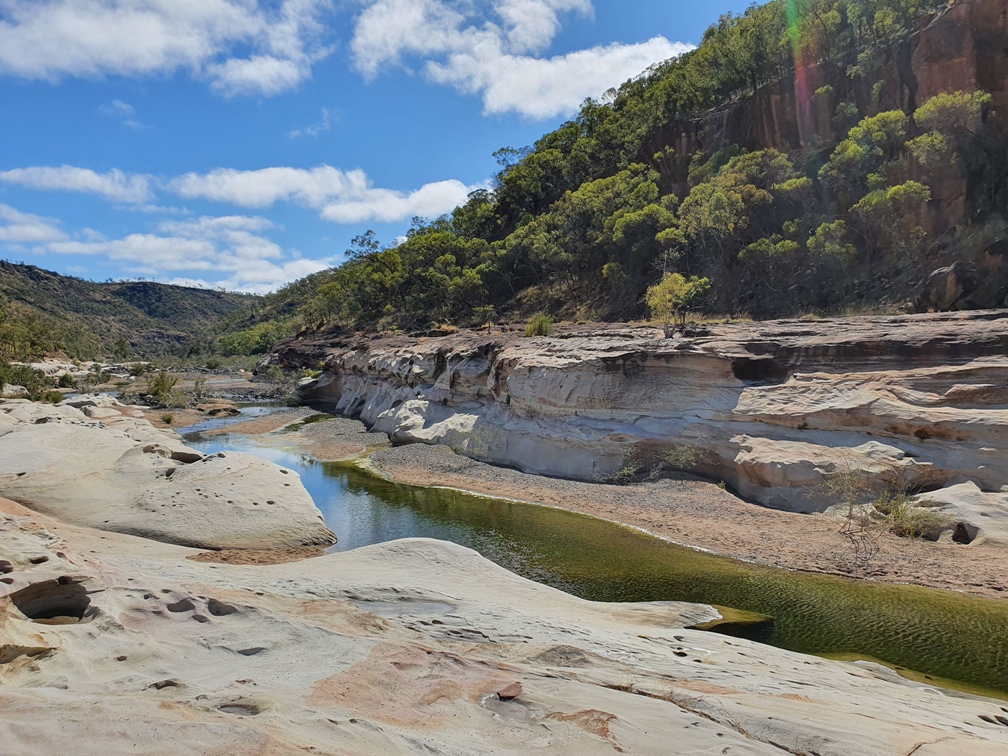
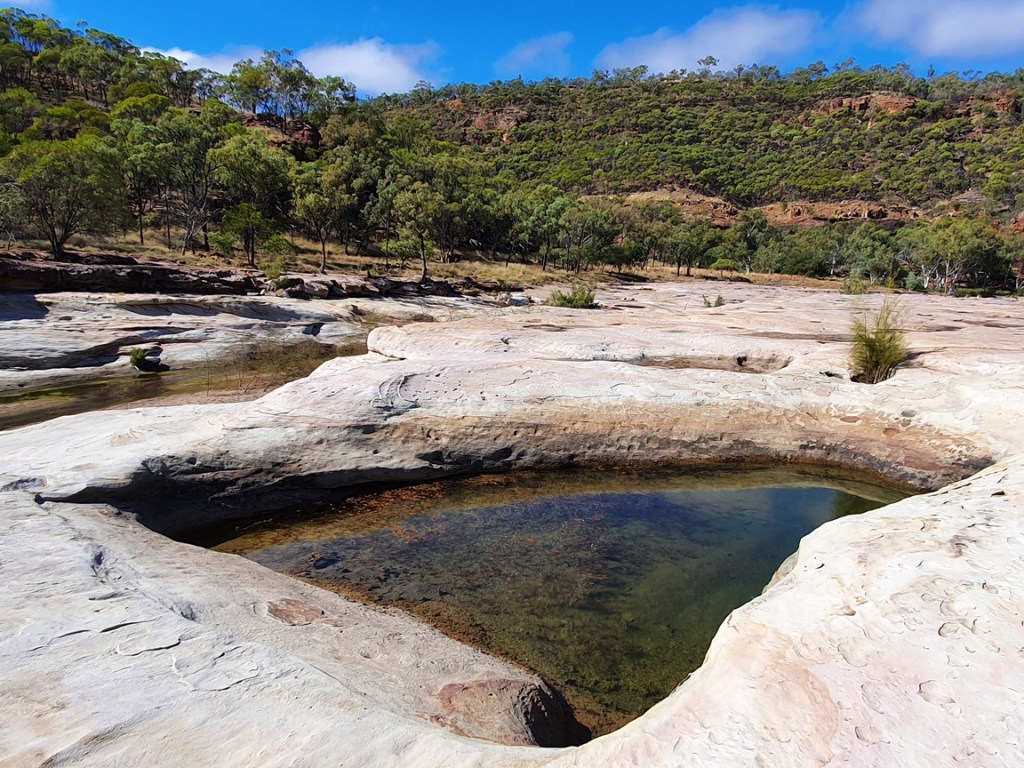


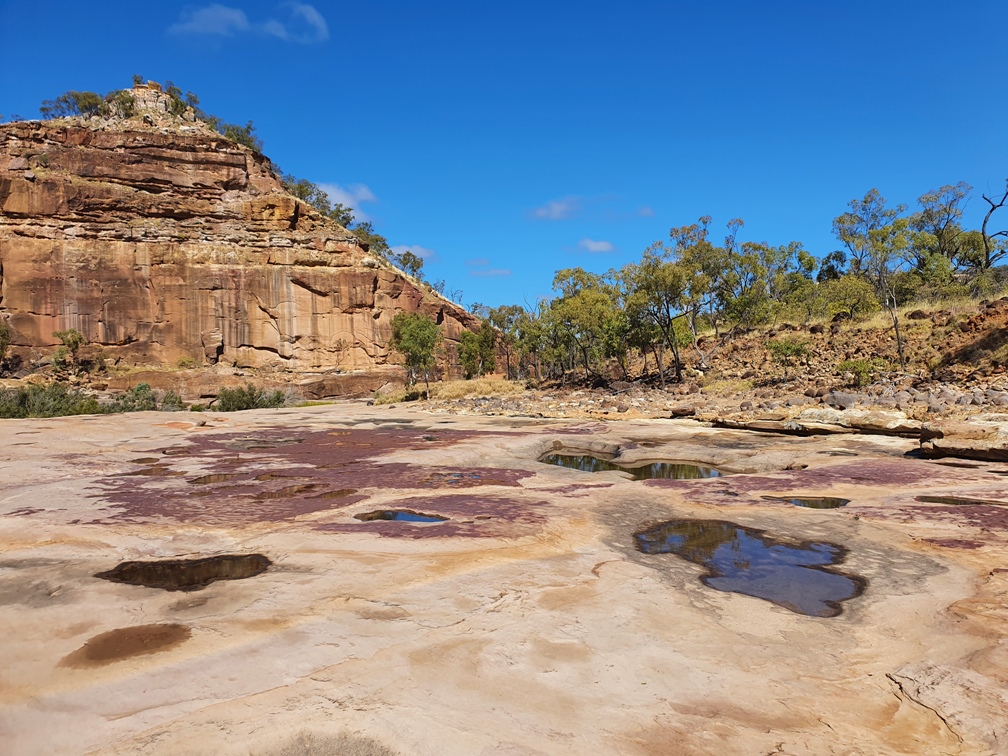

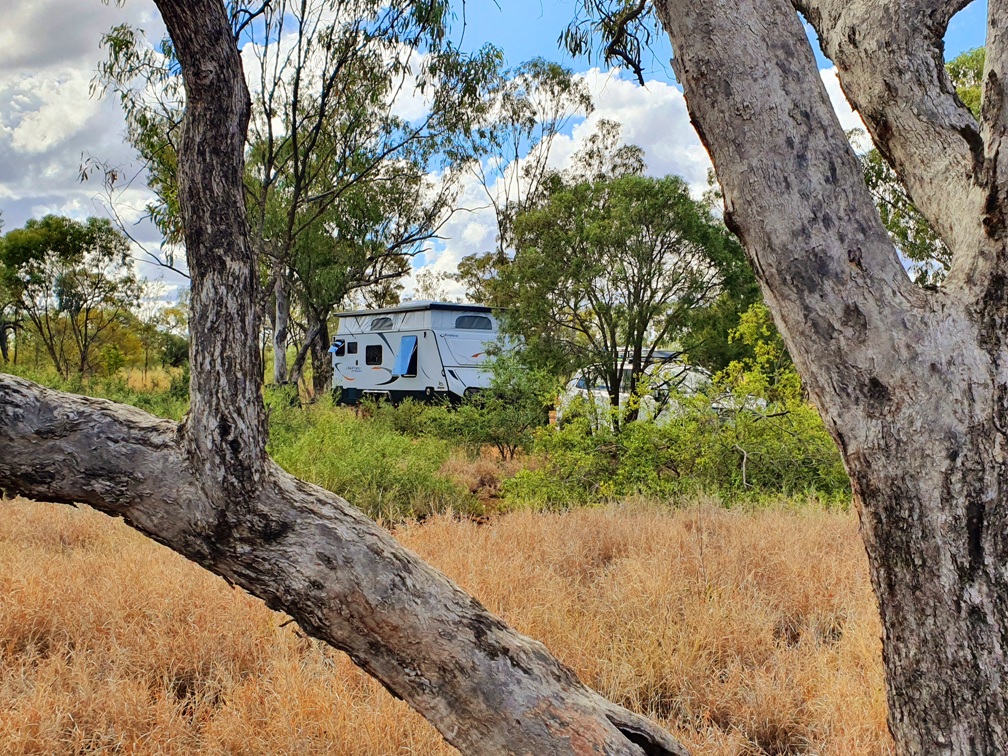





































































































































































 Walkerbouttravel